

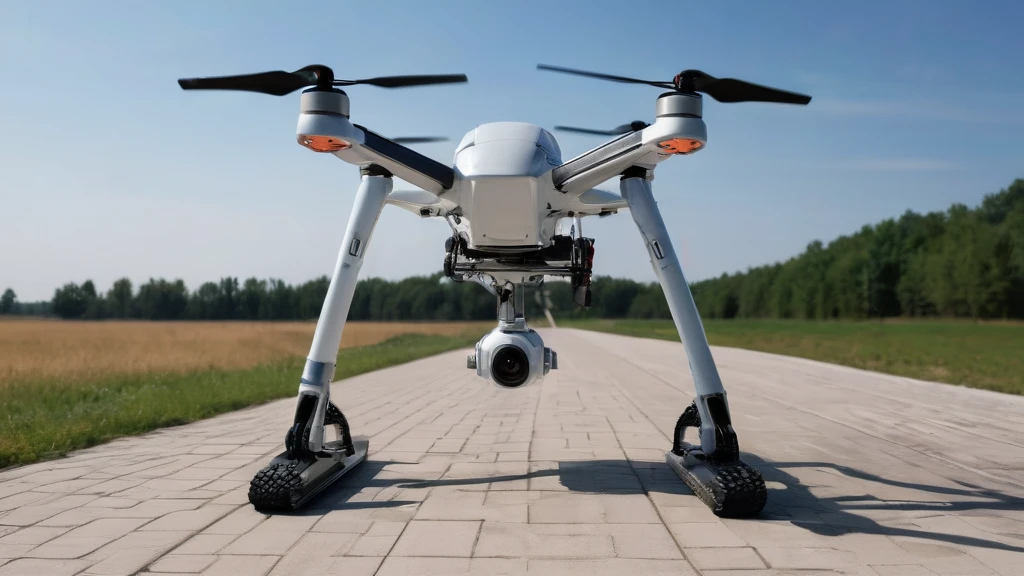
A new era of robotics: from biomimicry to practical solutions.
Modern robotic systems are no longer limited to simple, low-cost devices. As Technology Innovation Institute (TII) points out, today a "cheap" robot does not have to be "limited." New possibilities in edge computing, artificial intelligence and communication allow for the construction of devices that are both easy to maintain and efficient in operation. This changes the entire logic of robot design - it is no longer about imitating a flock of birds or a school of fish, but about creating systems that can operate in real conditions without the need for central control.
TII emphasizes that classical swarm robotics, based on biomimicry, was often too theoretical and detached from practical needs. Many systems labeled as "swarms" actually operated under the control of one computer - which excludes the principle of decentralization. The new approach developed by TII is not guided by perfect imitation of nature, but focuses on solutions that are resilient to failures, scalable and operate without constant operator supervision.
Principles of operation: decentralization, local interactions and self-organization.
TII bases its research on three key principles of swarm robotics. The first is decentralization - the system does not depend on a single operator or control unit. Each robot in the swarm analyzes the environment locally and makes decisions without having to consult with a central system. This eliminates a point of failure and allows for a quick response to changes in the environment.
The second principle is local interaction - robots cooperate only with their nearest neighbors, using simple rules stored in their processor. They do not require complex planning in advance or continuous communication with a central system. The third - self-organization - means that the swarm can spontaneously organize and coordinate without a pre-planned structure. This allows for long-term operation even in difficult conditions, e.g. during rescue operations or environmental monitoring.
Real-world applications: from rescue operations to logistics.
تقوم TII بتطوير حلول لثلاثة بيئات رئيسية: الجو (الطائرات بدون طيار)، والأرض (المركبات غير المأهولة) والبحر (السفن السطحية والغواصات). في كل من هذه المجالات، يمكن أن تعمل أسراب الروبوتات بشكل مستقل، مع مقاومة للأعطال والقدرة على التوسع في الوقت الفعلي. على سبيل المثال، في حالة وقوع كارثة طبيعية، يمكن لأسرب من الطائرات بدون طيار أن ينتشر تلقائيًا في منطقة البحث، ويقوم بتحليل المنطقة دون الحاجة إلى إدارة مركزية.
في مجال الخدمات اللوجستية والصناعة، تؤكد TII أن هذا النهج الجديد يسمح بتجنب قيود الأنظمة القائمة على وحدة تحكم واحدة. عندما يتعطل أحد الروبوتات، تستمر بقية الروبوتات في العمل - وهو أمر بالغ الأهمية في البيئات عالية المخاطر. على عكس الأنظمة التقليدية، التي تتطلب مراقبة مستمرة وبرمجة مسبقة، فإن الأسراب الجديدة أكثر مرونة وقدرة على التكيف مع الظروف المتغيرة.
هل هو حقًا سرب حقيقي؟ القيود والخلافات
على الرغم من أن TII تؤكد أن الأنظمة الجديدة هي "أسراب روبوتية حقيقية"، إلا أنه يجدر الإشارة إلى أن ليست كل ادعاءاتها قد تم تأكيدها من خلال اختبارات مستقلة. كل ما هو موجود في النص يعتمد على تصريحات المنظمة ورؤيتها. لا توجد معلومات حول عروض توضيحية أو تجارب أو عمليات نشر فعلية. لذلك، لا يمكننا التحدث بعد عن التنفيذ الكامل - هذا هو اتجاه التطوير، وليس حلاً جاهزًا.
بالإضافة إلى ذلك، على الرغم من أن TII تتحدث عن "اتخاذ قرار مستقل على المستوى المحلي"، إلا أنها لا تقدم تفاصيل حول كيفية عمل الخوارزمية بالضبط أو ما هي قيودها. هناك نقص في البيانات حول الأداء في ظل ظروف التدخل، والضمانات، والاستجابة للهجمات الإلكترونية. هذا يظل غير واضح ويتطلب مزيدًا من البحث.
الآفاق: الروبوتات الجماعية كشريك للصناعة والحكومة
ترى TII مستقبل الروبوتات الجماعية كشريك رئيسي لقطاع الصناعة والمؤسسات الحكومية. في مجالات مثل الأمن القومي، ومراقبة البيئة، والإنقاذ، يمكن للأنظمة المستقلة أن تعمل دون تدخل مستمر من الإنسان، مما يزيد من الكفاءة والسلامة.
المزايا واضحة: تكاليف صيانة أقل، وزيادة في مقاومة الأعطال، وإمكانية التوسع. ومع ذلك، يظل التحدي الرئيسي هو ضمان السلامة والشفافية في اتخاذ القرارات والتحكم في تشغيل النظام - خاصة عندما تتخذ الروبوتات قرارات دون تدخل بشري. لا تقدم TII بعد حلولًا تفصيلية في هذا الصدد، ولكن هذا أحد التحديات الرئيسية للمستقبل.