
Development of autonomous logistics in Chinese ports
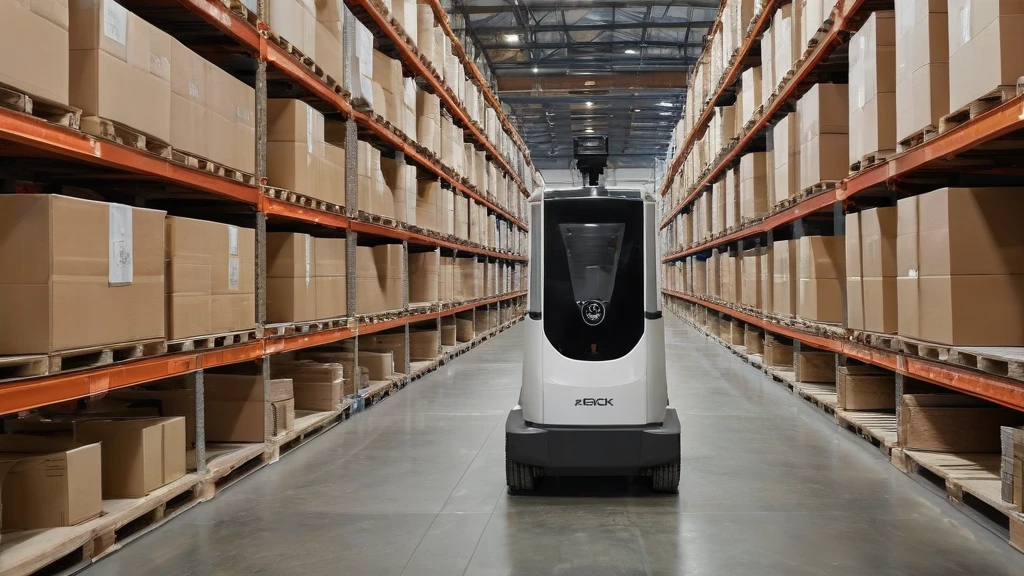
In the first half of 2026, Chinese ports installed more than 400 autonomous transport vehicles. This is not just a number - it is a signal that maritime logistics in China has moved into a new phase. Autonomy is no longer an experiment for a single terminal, but a standard part of the infrastructure. The introduction of these vehicles allows for faster movement of containers, reduces the risk of human error and increases operational efficiency. For technology integrators like NexaRob, this means growing demand for traffic management systems, ERP integration and secure communication between
It is worth emphasizing that this growth is not accidental. In 2025, more than 20 Chinese companies producing mobiele robots shipped a total of over 10,000 AGV/AMR units. This means that the market is not only growing but also becoming more concentrated - a few leaders dominate in terms of deliveries. For external customers, this means that the choice of system is no longer limited to local solutions, but includes global standards and interoperability. The integration of such solutions requires specialized knowledge - and that is where NexaRob comes in.
Investments and orders as an indicator of market growth
 Vergrote afbeeldingAfsluiten vergrootweergaveVorige afbeelding
In 2025, 44 Chinese companies producing mobile robots received orders exceeding 100 million yen. This is not just a number - it is proof of the trust of investors and industrial customers in autonomous technology. Such orders are only possible when systems are proven, scalable and supported by comprehensive integration solutions. For companies like NexaRob, this means growing demand for technical support, service and adaptation to the specifics of a particular plant.
It is also worth noting that in 2023, Chinese companies installed more than one million mobile robot units designed to ensure safety. These are not transport vehicles - they are systems that support workplace safety, for example by detecting people in danger zones or automatic braking. Their development shows that the market is no longer limited to logistical efficiency, but is expanding into aspects of safety and risk management.
Applications in industry - from car production to warehouses
In 2024 installeerden Chinese bedrijven in de industrie 200 mobiele robots van het type IGV als onderdeel van leveringen voor de PSA-groep. Dit is niet alleen een getal, maar ook een bewijs dat autonome technologie zijn weg vindt naar de meest veeleisende sectoren. De auto-industrie is een sector met hoge kwaliteitsnormen en continue processen - daar moeten robots maanden en jaren zonder fouten werken. De levering van 200 units in het kader van één overeenkomst laat zien dat de systemen nu klaar zijn voor grootschalige implementatie.
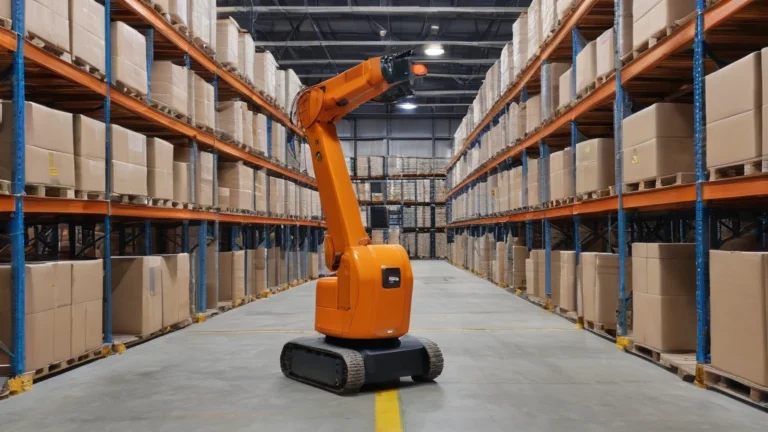
Evenzo, in de logistieke sector - GALAXIS installeerde een ASRS-systeem van 20 meter lang bij OPPO. Dit is niet alleen technologie, maar ook innovatie in de organisatie van magazijnruimte. Dergelijke oplossingen maken het mogelijk om het gebruik van ruimte te maximaliseren en de levertijd van goederen te verkorten. Voor integratoren zoals NexaRob betekent dit dat er behoefte is aan diepgaande technische kennis, ervaring in systeemontwerp en samenwerking met fabrikanten.
De toepassingen van mobiele robots in de Chinese industrie gaan verder dan traditionele transportfuncties. In de auto-industrie, waar nauwkeurigheid en continuïteit van het proces cruciaal zijn, ondersteunen IGV-systemen niet alleen het verplaatsen van onderdelen, maar ook de synchronisatie met assemblagelijnen en integratie met productiebesturingssystemen. In het geval van OPPO laat de installatie van een 20 meter lang ASRS (Automated Storage and Retrieval System) door GALAXIS zien hoe technologie de logistiek in 3C-magazijnen kan veranderen - door het gebruik van ruimte te maximaliseren en de toegangstijd tot goederen te verkorten.
Voor integratoren zoals NexaRob betekenen deze projecten dat er behoefte is aan diepgaande technische kennis, flexibiliteit in ontwerp en het vermogen om samen te werken met fabrikanten en eindklanten. De dynamische groei van de markt, bevestigd door de cijfers uit het rapport van Chinamobilerobotalliance, is niet alleen een gevolg van toenemende bestellingen - het is ook een signaal van de transformatie van de Chinese industrie in de richting van digitalisering, automatisering en intelligente logistiek. In deze context zijn mobiele robots geen aanvullende oplossing meer, maar de basis van een nieuwe generatie fabrieken en havens.