
Smart hands: a robot that feels like a human
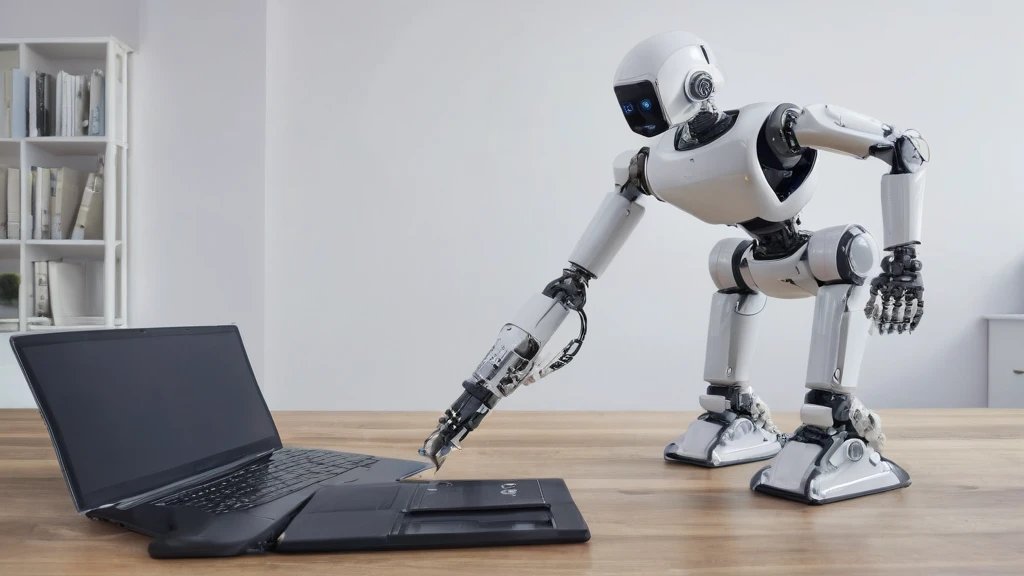
New generations of robots not only move around - they also learn to manipulate. The RG2-FT from OnRobot is an example of such a solution: its fingers are equipped with advanced proximity sensors and force-torque sensors, which allow it to "feel" an object, even if it does not know its exact position. This allows for the safe gripping of delicate materials - from thin glass to medical samples - without the need for precise programming. The comparison to human action is accurate: just as a person can pick up a pencil with their eyes closed, the robot operates based on touch and force, not just vision.
This is not just technology for large factories. Thanks to its simple assembly and readiness for operation without external programming, such solutions significantly lower the barrier to entry into the market for small and medium-sized enterprises. The robot does not have to be "programmed" - it only needs to be installed and started.
Eyes that see more than human eyes: 3D vision for fast movements
MotionCam-3D can analyze objects moving at high speed, which has applications in logistics, food processing and agriculture. Thanks to accurate machine vision, robots can analyze objects based on high-quality images, which is important in quality control.
The applications of this solution are wide-ranging: from sorting goods in logistics and automated deliveries in e-commerce, to quality control in the food industry or waste segregation. In agriculture, it can help with harvesting fruits without damaging the crop. This is not only precision - it is the possibility of fully automating processes that previously required human supervision.
MotionCam-3D technology not only sees - it sees precisely, even in lighting conditions that seem impossible for the human eye. Thanks to the use of 3D technology and high resolution, the system can detect deviations at the micrometer level, which is crucial in quality control of electronic production or precision medical components. In the food industry, it allows for the identification of surface damage, shape inconsistencies or the presence of foreign bodies - all in real time and without the need to stop the production line. This is not only efficiency - it is a reduction of losses and an improvement in the quality of products that previously required manual control.
In agriculture, where speed and delicacy are key, this vision allows for the harvesting of fruits without damaging the skin or stem, which increases the commercial value of the crop. Thanks to this, robots not only support people - they can be responsible for technical decisions that were previously only possible with full operator control.
A new era of collaboration: robots as partners, not replacements.
The finalists of the IERA Award 2020 showed that the future of robotics lies not in full automation, but in intelligent human support. When a robot has hands and eyes similar to humans, its role changes: from a tool to a collaborative machine. For example, it can pass a delicate element to an operator, analyze the condition of a product, or detect defects in real time.
This is not just technology - it is a new model of collaboration. Many solutions, such as RG2-FT and MotionCam-3D, work without the need to hire specialists for programming. This means that small and medium-sized enterprises can implement robots without long investment times or high infrastructure costs.
What does this mean for industry - and what still doesn't work?
The introduction of such solutions represents a real step forward in automation. Robots with tactile sensing and high-quality vision can already be used to increase the precision, safety, and efficiency of production. However, this does not mean full autonomy - people are still needed for supervision, strategic decisions, and handling exceptions.
It is also important to remember that these technologies were presented as award finalists - i.e., in the context of demonstrations or tests. There is no confirmation of their mass implementation or data on effectiveness in real industrial conditions outside of the cases presented by the companies. Their actual impact on the market will depend on further development and availability.