
Medical Robots
Precision and Safety
A new era of automation in medicine
Robots Supporting Doctors and Patients
Advanced Technology in Healthcare
Precise procedures and rehabilitation
Intelligent Support for Medical Personnel
Medical robots are transforming healthcare, from precise surgical procedures to advanced rehabilitation and diagnostics. With modern technologies, they support physicians, increase patient safety, and streamline the work of medical facilities.
Contact us Watch the videoA Step Toward a Healthier Future
Medical Robots
Can you imagine a future in which many everyday medical activities, from precision surgery to rehabilitation, are supported by advanced and intelligent machines? As part of the "Offer of Tomorrow" vision, NexaRob presents medical robots as a development direction that continues to gain momentum worldwide. Although many solutions in this area remain in research, prototype, or limited pilot-deployment phases, it is already worth examining the field because of its enormous potential to shape the future of healthcare.
In our view of "Medical Robots", we present possibilities that may materialize within a few years, especially for facilities that want to stay ahead of technology trends. We conduct analytical work to identify how medical innovation is developing and which applications may become commercially available over time.
Why Is This Important Today?
- Rapid Technological Progress: Solutions currently being tested in laboratories and pilot departments may become available for widespread use in a short period of time.
- Strategic Healthcare Challenges: Shortages of medical personnel, an aging population, and a growing number of procedures are areas where robots may help improve operations in the future.
- Knowledge and Preparation: Following trends and preparing for potential implementations today may provide a competitive advantage for a medical facility, company, or organization in the near future.
From Prototypes to Real Applications
Application Prospects
Although medical robots are still largely at the prototype and limited-deployment stage, they have the potential to transform healthcare. Below we present example applications which, although some are already available today, may become an integral part of most healthcare facilities in the coming years.
Technology-Assisted Surgery
Precise Operating Arm: In the future, we may see even more advanced systems capable of performing microscopic incisions, reducing the invasiveness of procedures.
Teleoperation: A surgeon on one continent can perform a procedure at a facility thousands of kilometers away using a high-bandwidth internet connection.
Exoskeletons and Rehabilitation Systems
Support for Patients After Stroke: Robotic rehabilitation devices already help accelerate the recovery of mobility. In the future, they may become less expensive, more widespread, and capable of offering more personalized exercise programs.
Application in Home Care: We can imagine exoskeletons supporting the everyday mobility of older people or people with mobility limitations in their own homes.
Diagnostic and Analytical Systems
Robotic Laboratories: Although prototypes of automatic blood or tissue sample analyzers exist today, within a few years they may move into mainstream use, reducing the workload of medical personnel and increasing test effectiveness.
Monitoring Health Parameters: Miniature robots, so-called "nano-bots," may in the future be used for non-invasive or minimally invasive monitoring inside the body, rapidly detecting concerning changes.
Care, Conversation, and Emotional Support
Interactive Robots: Although they are more commonly associated with home assistants, they can also provide benefits in care facilities and hospitals, for example by accompanying patients during difficult moments, reminding them about medication schedules, or alerting staff in emergencies.
Improved Communication: In regions where language barriers exist or medical staff are scarce, robots equipped with real-time translation systems can help accelerate diagnosis and patient service.
Understanding these potential future applications is an opportunity to prepare for transformation of the medical market. NexaRob, acting as an integrator and advisor, enables hospitals, medical companies, and investors to look beyond the current offering and plan infrastructure development in the context of upcoming trends and opportunities in medical robotics.
What Could the Future Bring?
Benefits for Medical Facilities and Patients
Although many medical robotics projects are only beginning to take shape or remain at the pilot stage, their significant potential is already visible. In the coming years, we can expect wider implementation of robotic solutions that improve the operation of both major clinical hospitals and smaller healthcare facilities. What can patients gain, and what can medical staff and administrators gain?
Higher Procedure Quality and Lower Invasiveness
Precision Procedures: Robots supporting surgery can provide much more precise cutting and tool manipulation. As a result, procedures become less demanding for the patient and the risk of complications is lower.
Shorter Recovery Time: Reduced tissue damage and fewer human errors translate into faster recovery and optimized treatment costs.
Better Work Organization and Reduced Staff Workload
Support in Everyday Tasks: Robots that transport sterile materials, medicines or food significantly reduce the workload of nurses and orderlies, allowing them to focus on patients.
Laboratory Automation: Blood, urine, or biopsy samples can be analyzed by automated systems, shortening waiting times for results and reducing the risk of testing errors.
Access to Specialized Care Even in Difficult Conditions
Telemedicine and Remote Surgery: In regions with limited medical infrastructure or shortages of specialists, robots can enable remote consultations and even procedures conducted from a distance.
Support in Crisis Situations: During epidemics or natural disasters, robotic systems can reduce medical personnel's contact with infectious patients or contaminated areas.
Personalization of Therapy and Rehabilitation
Exoskeleton Robots: Enable precise rehabilitation exercises tailored to the patient's individual needs and progress, accelerating recovery of mobility.
Learning Algorithms: Artificial intelligence can modify a rehabilitation program depending on the patient's response, providing meaningful support to physiotherapists and physicians.
Medical robots not only have the potential to deliver major savings and improve the daily operation of healthcare facilities, but above all to increase the quality and safety of patient care. In the "Offer of Tomorrow" NexaRob shows how current research directions and prototypes are shaping this future, providing a preview of what may become standard in healthcare within a few years.
Challenges and Development
How to Prepare for Medical Robots?
Although the prospect of introducing medical robots into widespread use is highly attractive, it brings a number of challenges that facilities must address. Understanding these aspects today makes it possible to plan the transition toward automation and minimize the risk of failure.
Implementation Costs and Financing Model
- Hardware Investments: They often require significant financial investment, from purchasing prototype systems to modernizing infrastructure, such as adapting operating rooms for a robotic arm.
- Insurance and Certifications: Additional costs associated with obtaining required approvals and safety certifications should be taken into account.
- Bulk Purchase Options: NexaRob highlights potential benefits of combining orders, which can help reduce unit prices during the introduction of medical robots.
Legal and Ethical Issues
- Responsibility for Errors: Who is responsible for possible complications or errors during robot-assisted surgery? These dilemmas often require new regulations and legal standards to be developed.
- Privacy and Patient Data: Collecting and processing large amounts of medical information requires highly restrictive security procedures, both in terms of regulations (GDPR) and technical solutions.
Staff Training and Social Acceptance
- Medical Team Competencies: Doctors and nurses must learn to operate the new equipment and understand the robot's limitations and benefits. Successful implementations require training, demonstration sessions, or the development of clinical guidelines.
- Patient Trust: Some patients may feel hesitant about new technology in the operating room or rehabilitation process. Transparent communication explaining why and how the robot supports treatment is essential.
Service and Update Assurance
- Solution Durability: Many current medical robot prototypes will require frequent updates and replacement of wear components. The facility's technical staff, or an external service provider, must be prepared to continuously monitor equipment condition.
- Integration with Hospital Systems: Automation is not limited to individual machines. Connectivity with network platforms for archiving results, document management, data analysis (AI), or IoT operation in a medical facility is also important.
Is implementation of medical robots in your facility just around the corner, or still several years away? In both cases, it is worth monitoring industry progress now and developing an investment strategy. NexaRob, as an integrator and technology advisor, helps analyze achievements to date, identify potential barriers and solutions, and indicate how, with the support of an international partner network, your facility can be transformed in the future into a center ready for the coming revolution in medical robotics.
Is It Worth Investing in Medical Robots Now?
Long-Term Benefits Perspective
Many medical robotics applications are still at the prototype or small-scale deployment stage. However, facilities focused on long-term development and innovation can already consider becoming involved in this trend. Preparing infrastructure, personnel, and the business model for the future introduction of robots is not only a forward-looking measure but also:
Building the Brand of a Modern Facility
- Innovator Image: Hospitals, clinics, or rehabilitation centers that plan and communicate their involvement in the development of medical robotics are perceived as open to new technologies and ready to provide patients with high-quality services.
- Competitive Advantage: In the face of staffing shortages and growing patient expectations, earlier implementation of even partial solutions (e.g. automated logistics systems, basic robotization in surgery) can result in a significant market advantage.
Long-Term Savings
- Cost Optimization: Although the initial investment in innovative systems can be significant, more efficient work organization, shorter patient recovery times and reduced errors or unnecessary procedures translate into real reductions in facility operating costs.
- Solution Scalability: The ability to expand robotic infrastructure with additional modules, updates, and functions makes it possible to adapt smoothly to changing needs without having to purchase new equipment each time.
Bulk Purchasing Options
- Lower Unit Prices: NexaRob offers the opportunity to participate in pooled bulk purchases, enabling negotiation of more favorable rates even when purchasing individual robots.
- Joint Institutional Projects: There is an option to join forces with other facilities in the region to invest jointly in more advanced equipment. With this approach, even smaller centers can gain access to technologies that were previously beyond their financial reach.
Building Staff Competencies
- Development of Medical Teams: The earlier healthcare facility employees become familiar with the concept and prototypes of medical robots, the easier it will be to adopt final solutions when they become standard.
- Training and Certifications: By introducing innovative projects, organizations can apply for funding that supports the development of staff competencies in modern medical technologies
Early interest in medical robotics helps overcome financial and organizational barriers and build the reputation of a facility committed to the future of healthcare. NexaRob supports customers in planning and gradually implementing innovations so that each step delivers measurable benefits and contributes to greater comfort for patients and staff.
NexaRob
How Does NexaRob Support Your Facility on the Path to the Medicine of the Future?
Although some medical-robot solutions remain in development, facilities can already prepare for their arrival through consulting and analytical services. Working with suppliers around the world, NexaRob provides broad support, from needs identification to flexible financing options and consulting within the "Offer of Tomorrow."
Consulting and Needs Analysis
- Assessment of Current Infrastructure: We audit existing facilities, procedures, and IT systems. We identify how they can be improved in preparation for future robot integration.
- Individual Development Scenarios: We prepare forecasts taking into account the scale of the facility, its activity profile (outpatient procedures, surgery, rehabilitation) and potential areas where automation may be cost-effective.
Preparing Staff and Organizational Architecture
- Training Plan: We help organize workshops and training sessions that introduce medical personnel to robotics, covering both technical aspects and organizational change management.
- Safety and Legal Consulting: We help explain potential challenges related to patient-data processing under GDPR, liability for errors and certification requirements.
Bulk Purchasing and Financing Models
- Negotiations with Suppliers: We organize joint orders, or purchasing pools, for devices at the development or pilot stage, resulting in more attractive pricing conditions.
- Consulting on Obtaining Funding: We support the preparation of applications for funding, grants, or subsidies for research and development projects and investments in innovative technologies.
Long-term Strategy and Updates
- Trend Monitoring: By working with a global network of suppliers, we monitor research directions in medical robotics and inform our customers about new opportunities that may emerge on the market.
- Expansion and Modernization: If you decide in the future to pursue further integration or add additional systems, such as rehabilitation, diagnostic or rescue robots, NexaRob provides a coherent development vision that enables innovations to be introduced gradually without disrupting the facility's ongoing operations.
Although medical robots are still largely part of the "offer of tomorrow," decisions made today can determine the future competitiveness and effectiveness of healthcare at your facility. NexaRob provides comprehensive support, from needs analysis and consulting, through negotiations with suppliers, to final implementation, training, and service. This allows you to look to the future with greater confidence and base the development of your facility on advanced technology that is also adapted to real-world requirements.
Frequently Asked Questions
Key Questions About
Medical Robots
Many people we speak with wonder what the practical use of medical robots might look like and when these solutions will become widely available. Below, we present answers to the most frequently asked questions to address basic concerns and help illustrate the future that medical robotics may bring.
At present, relatively few facilities have implemented robotic systems on a large scale. Some institutions use robots in prototype projects or limited tests (e.g. in operating rooms or for medicine distribution). However, the pace of development in this field suggests that medical robots may become standard in many areas of healthcare over the coming years.
Above all, the benefits include more precise procedures that are less invasive and safer, faster recovery, better health monitoring, and greater access to specialists through teleoperation. Robots can also streamline work on hospital wards by relieving staff of repetitive tasks.
Many prototype solutions can indeed be costly, but institutions may use various financing models such as grants or EU funds. In addition, NexaRob enables participation in bulk purchases, reducing per-unit equipment costs.
Exoskeletons and rehabilitation systems are available on the market as finished products, although their prices and availability may be limited. As part of the "Offer of Tomorrow," we identify research and development projects that are expected to make robotic rehabilitation accessible to a wider group of patients in the coming years.
Medical tasks requiring empathy, broad diagnosis, or complex clinical decisions will continue to belong to qualified personnel. Robots primarily perform supporting functions, taking over repetitive operations and helping doctors carry out precise actions in difficult or hazardous areas.
Every robotic system, especially in the medical field, must comply with strict personal data regulations (e.g. GDPR) and IT security protocols. NexaRob helps customers verify solutions in this respect and ensure an appropriate level of security.
Although many applications are still concentrated in large hospitals, smaller facilities can use supporting solutions such as internal transport systems, robots that analyze samples, or advanced telemedicine. Ultimately, as prices fall and technology develops, they will become increasingly accessible.
From consultation on actual needs and potential solutions to support with purchase negotiations, pilot-deployment planning and staff training. As part of the "Offer of Tomorrow," we also analyze prototypes and R&D projects and advise customers on what to pay attention to.
Many devices are being developed for easy integration with patient-data management systems or statistical-analysis platforms. Such connectivity can improve efficiency in service delivery and diagnostics, although it may require the facility to prepare appropriate IT infrastructure.
Already at the stage of constructing or modernizing a facility. Taking technical and formal requirements into account early, including space in operating rooms and network security, enables smooth deployment of robotics once selected solutions become commercially available and cost-effective.

More questions?
Visit our FAQ section for detailed information, practical guidance and answers to frequently asked questions. If you need additional help, contact us. We will be happy to answer your questions!
Why NexaRob?
Your Partner in the Vision of the Future of Medicine
At NexaRob we focus on supporting medical facilities, companies, and research institutes as they transition into the era of medical robotics. We believe the key to success lies not only in providing technology but also in comprehensive support throughout the adaptation process. Our knowledge and flexibility enable innovative solutions to be smoothly combined with the realities of the healthcare market.
- Comprehensive Approach to Automation We support you from identifying needs and planning the investment through advice on integration with IT systems and staff training. We do not limit ourselves to individual devices. We propose a coherent vision for developing medical robotics infrastructure.
- Global Supplier Network We are not a robot manufacturer, giving us freedom to select solutions from many suppliers. By working with partners around the world, we can provide a broad choice of prototypes, commercial models and R&D services.
- Flexible Financing Models We offer bulk purchasing, providing access to reduced prices even when you choose only one or a few devices. We also support the preparation of applications for grants, technology loans and other forms of financing to facilitate medical-robotics projects.
- Extensive Experience Across Different Industries NexaRob combines a passion for technology with an interdisciplinary approach, drawing on experience in automating other sectors such as industry and logistics. We transfer these lessons to the medical context, identifying which practices genuinely work when introducing robots into the healthcare market.
- Gain an Advantage in Healthcare Transformation We believe medical robots could transform patient care over the coming years by relieving staff of laborious tasks, improving procedure quality, and extending the range of services even in remote locations. If you want to explore these solutions while they are still developing so you can prepare for the future, NexaRob is ready to support you.
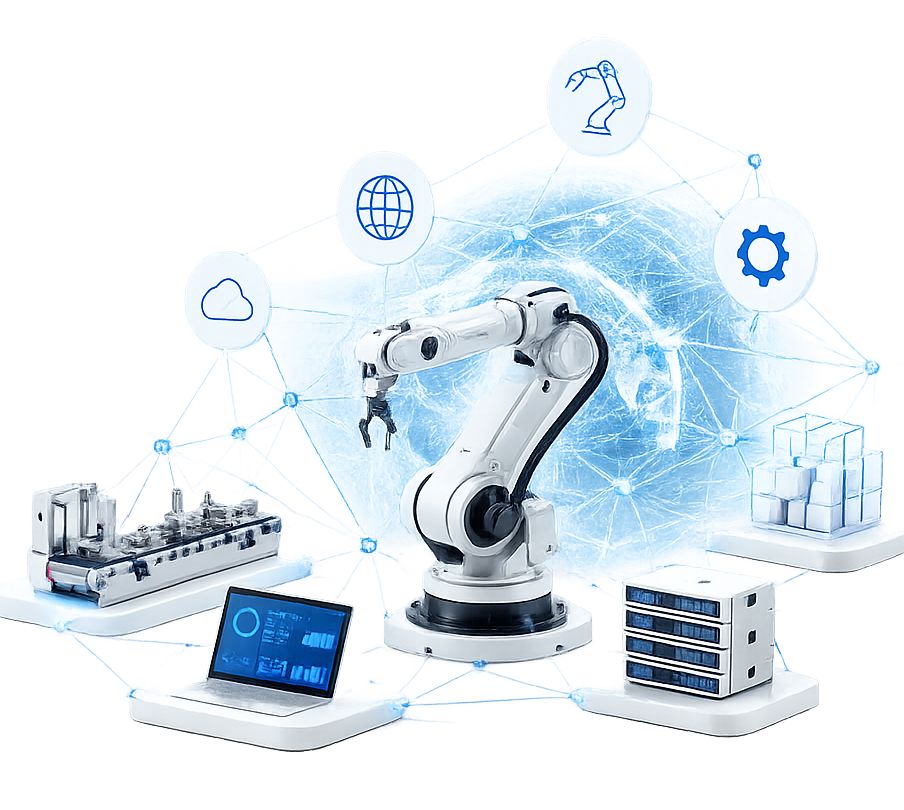
Contact us to learn the details of the offer and take the first steps toward deploying medical robots. Together, we can develop a plan that takes into account both current capabilities and expected development directions in this exciting field of technolo
Automate Your Business with NexaRob - Contact Us!
Medical Robots Around the World - NexaRob as an International Partner
We Operate Globally, Support Locally
The vision of medical robotics has inspired scientists and entrepreneurs around the world for years. Many breakthrough solutions emerge in major technology and research centers, while numerous grassroots initiatives and pilot projects also appear in places where healthcare faces staff shortages or infrastructure limitations. Through its global network of contacts, NexaRob aims to help pioneering ideas and prototypes reach diverse medical facilities regardless of their scale.
- Presence in Key R&D Centers We build relationships with laboratories and universities specializing in medical robotics, including in the United States, Western Europe, and Asia. This cooperation gives us insight into innovations at an early stage of development. As a result, we can indicate the most promising investment directions and projects in the global market to our customers.
- Adaptation to Diverse Healthcare Systems Each country has a different healthcare financing structure, legal regulations, and availability of public funding for innovative technologies. NexaRob helps adapt robotics projects to local requirements. We also operate in regions with limited medical infrastructure, seeking implementation models that improve access to healthcare services.
- Compliance with International Safety and Quality Standards The solutions we support take into account standards such as CE for the European market, FDA in the United States, and other key medical certifications required for the legal and safe operation of devices in different countries. We provide consultations on meeting patient data protection requirements, such as GDPR, which is essential in applications involving the processing of sensitive health information.
- Local Partner Support We work with service providers and implementation companies in many countries so that customers can rely on rapid response and continuous technical support regardless of location. Through combined orders, we can reduce unit equipment costs, resulting in more attractive prices even for smaller healthcare facilities.
NexaRob supports the development of medical robotics globally by seeking solutions that are both advanced and adapted to specific conditions. Whether you represent a hospital in a major metropolitan area or a small clinic in a region with limited access to specialists, we can help outline a path that can facilitate the future implementation and use of medical robots aligned with global trends and local realities.

United States

China

Japan

Germany

India

United Kingdom

France

Italy

Canada

South Korea

Brazil

Australia

Spain

Mexico

Indonesia

Netherlands

Saudi Arabia

Turkey

Switzerland

Taiwan

Poland

Sweden

Belgium

Thailand

Ireland

Austria

Norway

Israel

United Arab Emirates

Argentina

South Africa

Denmark

Philippines

Singapore

Malaysia

Colombia

Bangladesh

Egypt

Chile

Finland

Vietnam

Portugal

Czech Republic

Romania

New Zealand

Peru

Greece

Ukraine

Slovakia

Hungary

Slovenia

Croatia

Serbia

Bulgaria

Estonia

Latvia

Lithuania

Iceland

Luxembourg

Malta

Cyprus

Morocco

Algeria

Tunisia

Nigeria

Kenya

Ethiopia

Ghana

Tanzania

Uganda

Angola

Senegal

Qatar

Kuwait

Oman

Pakistan

Sri Lanka

Nepal

Kazakhstan

Uzbekistan

Mongolia

Russia

Cambodia

Myanmar

Laos

Fiji

Papua New Guinea

Venezuela

Ecuador

Uruguay

Paraguay

Bolivia

Costa Rica

Panama

Dominican Republic

Guatemala

Cuba

Jordan

Lebanon

Iran
Additional countries in Europe
These countries are hidden in reader mode so that the map is not overcrowded. Click a country to open contact details, email and a description of the cooperation area.
Additional Countries in Asia
These countries are hidden in reader mode so that the map is not overcrowded. Click a country to open contact details, email and a description of the cooperation area.
Additional Countries in the Americas
These countries are hidden in reader mode so that the map is not overcrowded. Click a country to open contact details, email and a description of the cooperation area.
Additional Countries in Africa
These countries are hidden in reader mode so that the map is not overcrowded. Click a country to open contact details, email and a description of the cooperation area.
Additional Countries in Oceania
These countries are hidden in reader mode so that the map is not overcrowded. Click a country to open contact details, email and a description of the cooperation area.
Albania
Andorra
Belarus
Bosnia and Herzegovina
Montenegro
Liechtenstein
North Macedonia
Monaco
Moldova
San Marino
Afghanistan
Armenia
Azerbaijan
Bahrain
Bhutan
Brunei
Georgia
Iraq
Yemen
Kyrgyzstan
North Korea
Maldives
Syria
Tajikistan
Timor-Leste
Turkmenistan
Antigua and Barbuda
Bahamas
Barbados
Belize
Dominica
Grenada
Guyana
Haiti
Honduras
Jamaica
Nicaragua
Saint Kitts and Nevis
Saint Lucia
Saint Vincent and the Grenadines
El Salvador
Suriname
Trinidad and Tobago
Benin
Botswana
Burkina Faso
Burundi
Cabo Verde
Chad
Democratic Republic of the Congo
Djibouti
Eritrea
Eswatini
Gabon
Gambia
Guinea
Guinea-Bissau
Equatorial Guinea
Cameroon
Chambers
Congo
Lesotho
Liberia
Libya
Madagascar
Malawi
Mali
Mauritania
Mauritius
Mozambique
Namibia
Niger
Central African Republic
Rwanda
Seychelles
Sierra Leone
Somalia
Sudan
South Sudan
Togo
Ivory Coast
São Tomé and Príncipe
Zambia
Zimbabwe
Kiribati
Micronesia
Nauru
Palau
Samoa
Tonga
Tuvalu
Vanuatu
Marshall Islands
Solomon Islands
Together, Let's Shape the Future of Medical Robotics
Would you like to become our Partner?
At NexaRob, we combine a passion for innovation with automation expertise to shape a future based on advanced technological solutions together with our partners. In medical robotics, we focus on understanding the latest trends and prototypes so that projects that may become common in healthcare in the coming years can be planned today. If you are considering development toward automation or conducting research in this area, we invite you to cooperate.
Why Work with NexaRob?
Joint Investments in Development
We facilitate bulk purchases of robotic solutions, enabling negotiation of favorable pricing terms even at the prototype or low-volume production stage.
We help identify funding opportunities and prepare projects that support the development of new technologies in medicine.
Synergy of Knowledge and Experience
Together with our partners, we develop solutions based on the real needs of healthcare facilities and patients.
Each party contributes its own expertise, from clinical knowledge and engineering to artificial intelligence.
Global Contact Network and New Markets
We operate in different parts of the world, allowing us to support technology distribution and reach customers in many regions.
Adaptation to local regulations and adjustment of products to the requirements of specific markets. NexaRob supports such processes end to end.
Who Are We Looking For?
- Medical Technology Manufacturers: Developers of prototypes of surgical, rehabilitation, or diagnostic robots who want to accelerate the commercialization of their solutions.
- Pharmaceutical and Hospital Equipment Companies: Organizations seeking to combine conventional equipment with robotic systems to optimize the transport of medicines and samples or raise safety standards.
- Research and Development Facilities: Research institutions and laboratories focused on discoveries related to AI, biomedical sensors, or innovative robot-control methods.
Let's Join Forces
Together, we can bring solutions to market that transform healthcare, from advanced surgery and rehabilitation to remote patient monitoring. Contact NexaRob to discuss cooperation opportunities and determine how, by joining forces, we can help reshape medicine in the coming decade.
Interesting Facts from Around the World
How robots learn to improve in real time through critiques and residual flows.
A new approach to robotics, based on residual flow and level-of-detail criticism, has achieved a 66% success rate.
Teradyne Robotics and Sereact have implemented physical AI in Zalando’s logistics centers.
At Zalando’s logistics centers in Greven and Świebodzin, collaborative robots working with the Sereact Cortex platform operate automatically.
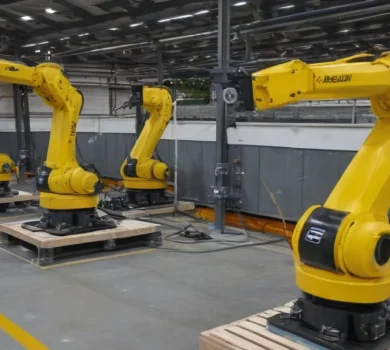
Full traceability in production thanks to robots and system integration
Atmus Filtration has implemented a modern robotic system for assembly and inspection, which ensures complete product traceability.
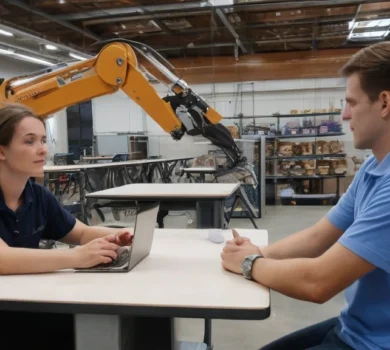
AGCO is testing a humanoid robot in production in Hesston, Kansas
AGCO and Agility Robotics will launch a pilot program featuring the Digit® humanoid robot at their manufacturing facility in Hesston.
How does the new diffusion model change the approach to autonomous driving?
The new QualiDrive model introduces an innovative approach to trajectory generation in autonomous vehicle guidance - instead of