

Time for patients: robots supporting the daily tasks of nurses
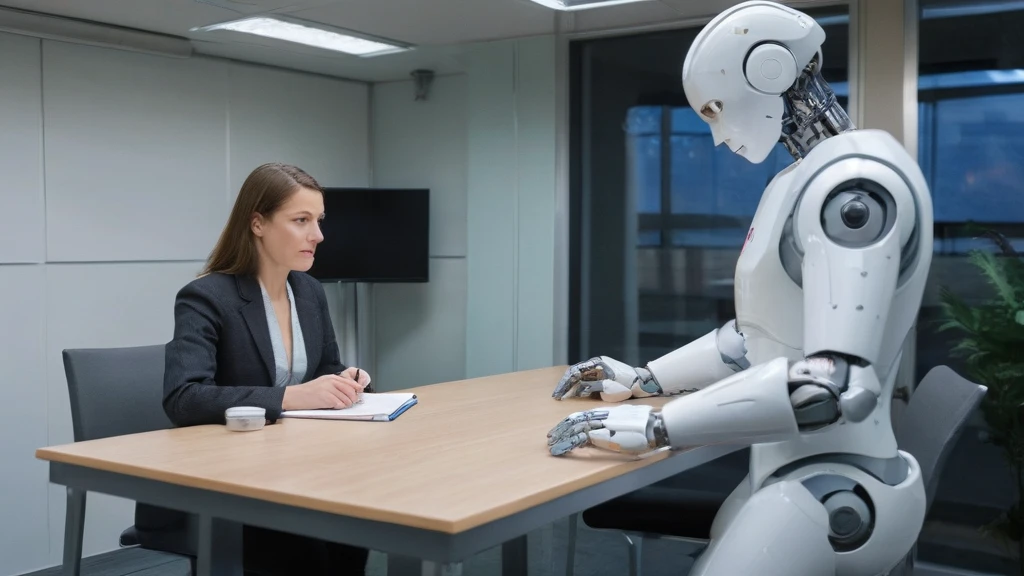
In one German healthcare network, 800 out of 3,000 employees are expected to retire within three years. This poses a serious challenge for a system that is already experiencing staff shortages. Under these conditions, even the smallest burdens - such as moving linens, transporting equipment, or loading laundry - can significantly affect the quality of care. Therefore, some facilities are starting to use robotic systems that take over these tasks. For example, a platform based on NEURA mobile robots allows empty beds to be moved between wards and floors. Each change requires only one request from staff.
In the case of 20 such movements per day, the system can restore over 1,300 hours per year for nursing teams - time that can be devoted to direct patient care. This is not only a time saving but also a reduction in physical fatigue and the risk of errors resulting from exhaustion. In this way, robots are not an alternative to humans, but a tool to regain the quality of medical work.
Safe transport of sterile equipment without infrastructure changes
 Enlarged imageClose zoomPrevious image
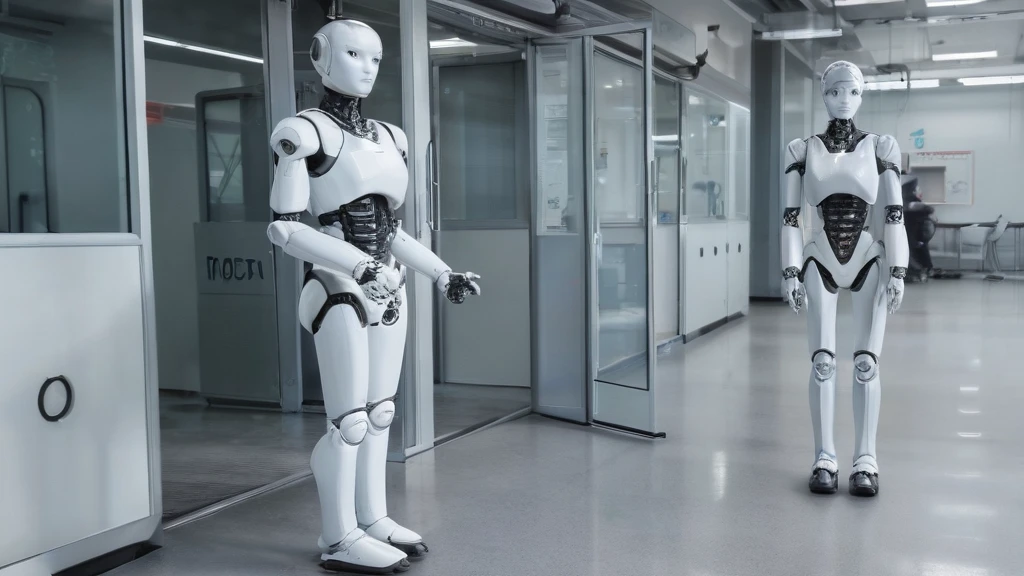
In hospitals, it is important not only to move linens, but also to maintain hygiene and safety during the transport of medical equipment. The NEURA system for sterile items works in an integrated way: it collects used surgical instruments, transports them to the laundry and sterilizer, and then returns the ready-made sets to the appropriate units. All this is done without the need to build new corridors or make changes to the existing infrastructure.
MAV+ technology enables robots to move around the current layout of rooms, avoiding obstacles and adapting to changing conditions. Thanks to this, technicians do not have to carry heavy loads, travel long distances, or change clothes multiple times during the day. This saves time and energy, allowing them to focus on the quality of control and diagnostics.
Medical precision: robots assisting in surgery and rehabilitation
In the field of medicine, precision is not only an advantage but also a necessity. KUKA robots are used in a wide range of applications - from laparoscopic and orthopedic surgeries to diagnostics, patient positioning for radiotherapy, and rehabilitation. All these systems must meet the highest standards of safety and accuracy, which is guaranteed by ISO 13485 and CB-IECEE certifications.
One of the most important examples is the LBR Med robot - the first in the world approved under the CB-IECEE program. Its sensitivity and flexibility allow it to safely collaborate with people in a clinical environment. Another model, the KR QUANTEC HC, has the ability to handle loads up to 300 kg and sub-millimeter precision - ideal for precisely positioning a patient before radiation or surgery.
Technology integration: from design to support after implementation
The introduction of robotics in hospitals is not just about installing equipment. A comprehensive process is key - from analyzing existing processes, through designing a solution, to long-term technical support. In the case of NEURA and KUKA systems, the entire cycle is carried out by one team: from the first visit to the facility to full integration and service support.
This guarantees that the robots not only function technically but also meet real clinical needs. Collaboration with medical experts during the design process ensures that the systems are user-friendly and support real work scenarios - they do not force changes in the organization, but adapt to it.
Perspectives: robotics as part of the future of healthcare
The introduction of robots in hospitals is not only a solution to the problem of staff shortages but also a step towards more precise and safer medicine. Systems that support the transport of linen or sterilization save time, which can be used for interaction with the patient - one of the most important elements of healthcare.
In the future, it is expected that intelligent systems supporting rehabilitation and diagnostics will be developed, which will work in conjunction with artificial intelligence. However, the key remains that robots do not replace people - their role is to facilitate work, not to automate it without human involvement. In this way, technology can support healthcare without reducing its human value.