
Robotics: more than just machines
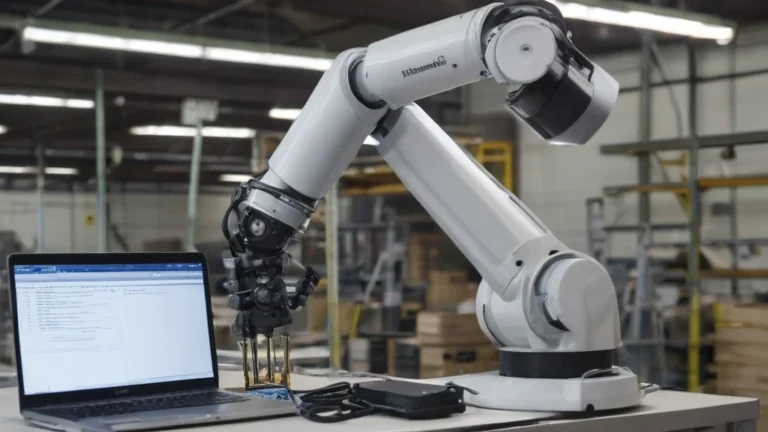
Robotics is not only about building devices that move like humans. As researchers from the Oxford Robotics Institute (ORI) emphasize, it is a field that combines engineering with creativity, where ideas can become technologies that have a real impact on the world. Efimia Panagiotaki, PhD student Mobile Robots, points out that robotics can contribute to healthcare, agriculture, accessibility or climate protection. These are not only technical challenges - but also broader questions about how technology can support people and the environment.
Charlotte Reed, a doctoral student as part of the collaboration between the University of Oxford and Goal-Oriented Long-lived Systems Lab, talks about her work on underwater gliders in the Atlantic. Her research combines oceanographic knowledge with decisions regarding autonomous robots. This is an example of how robotics can operate in complex, unpredictable environments - while also being part of a larger goal: better understanding and protection of the oceans.
Inspiration from nature and the brain
 Enlarged imageClose zoomPrevious image
At the Soft Robotics Lab (SRL) at ORI, researchers draw inspiration from biology. Perla Maiolino, Deputy Director of ORI and Principal Investigator at SRL, says that nature offers many examples of systems capable of safely navigating complex environments thanks to flexibility. Her work focuses on how combining touch and soft structure can make robots more capable of interacting with people and unstructured spaces.
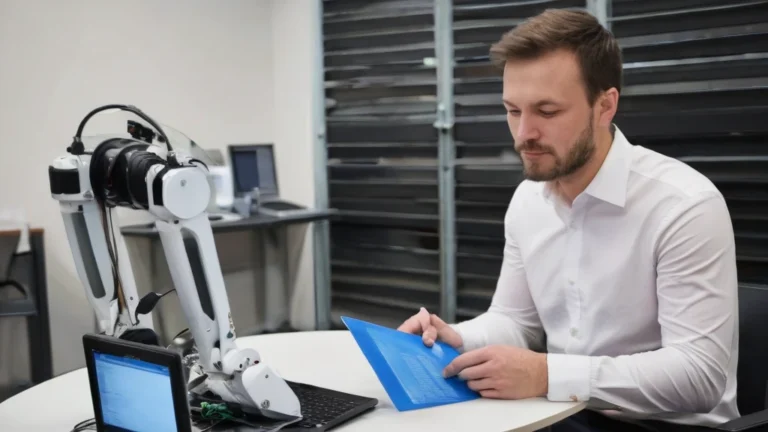
Tasha Kim, a PhD student at SRL and Parker Jones Neural Processing Lab (PNPL), is developing neuro-symbolic systems that interpret neural and behavioral signals. Her goal is to create robots that can act as supportive partners for humans - not only by executing commands, but also by understanding their intentions. When a person expresses a need through thought, the robot can take over some of the cognitive or physical burden, which opens up new possibilities for human augmentation.
Be brave, stay curious - start by taking action
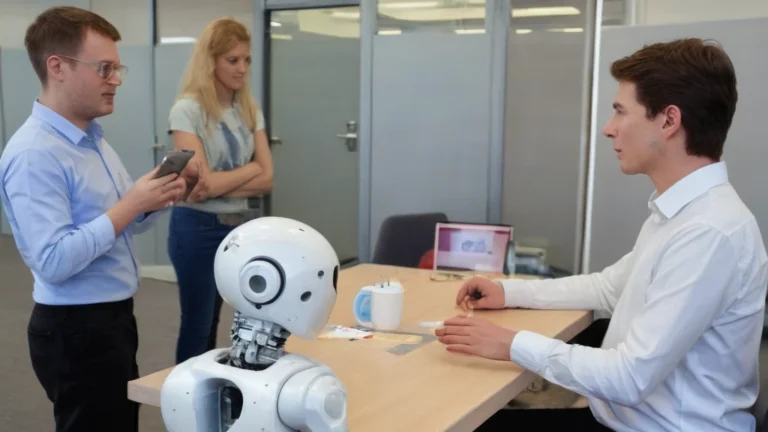
Many of these researchers began their journey as children or teenagers, building with Lego, K'Nex, or Arduino. Kate Lampo, an MSc by Research student, says that her passion for robotics dates back to her school days - she was part of a robotics team and realized then that she wanted to create things that work. Her advice is simple: don't wait for perfect preparation. 'The best way to learn is simply by doing,' she says. It doesn't have to be complicated - you can start with basic materials.
Perla Maiolino emphasizes that many women doubt their abilities and reject opportunities if they do not meet all the requirements. 'Don't wait until you are ready - growth often comes from trying,' she says. This message is key: robotics needs different perspectives and ways of thinking. Therefore, it is worth encouraging young people to experiment, even without formal education - because that is where the most innovative ideas are born.
A field for everyone - the need for diversity
Although robotics is becoming increasingly inclusive, at the National Oceanography Centre only 16.9% of engineers are women. There is a so-called 'leaky pipeline,' where people from underrepresented groups leave STEM at various stages. Researchers at ORI emphasize that one of the first steps to change is education - not only in school but also through open programs and by fostering a sense of belonging. Charlotte Reed says that many young people with talent and curiosity never have access to support, resources, or opportunities.
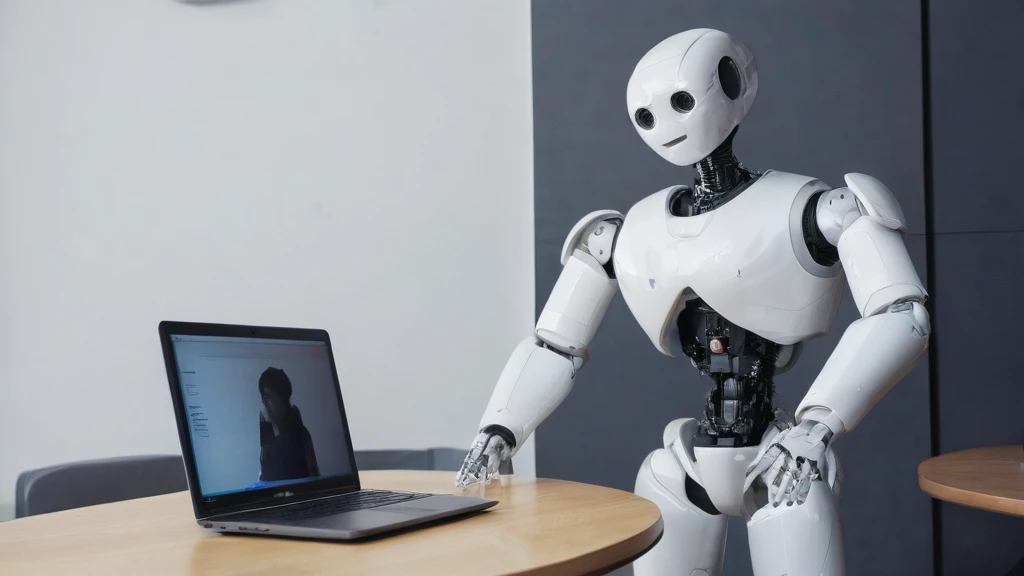
Therefore, it is crucial to build communities - where everyone can participate without fear of 'not fitting in.' Robotics does not have to be only for those who look like stereotypical engineers. It is a field that opens up to creativity, curiosity, and diversity - and these are the qualities that are key to creating technology that truly works for all people and the world around us. It is worth starting with one project, even if it is simple - because that is where the future is born.