
Team in Houston: from fiction to robotic reality.
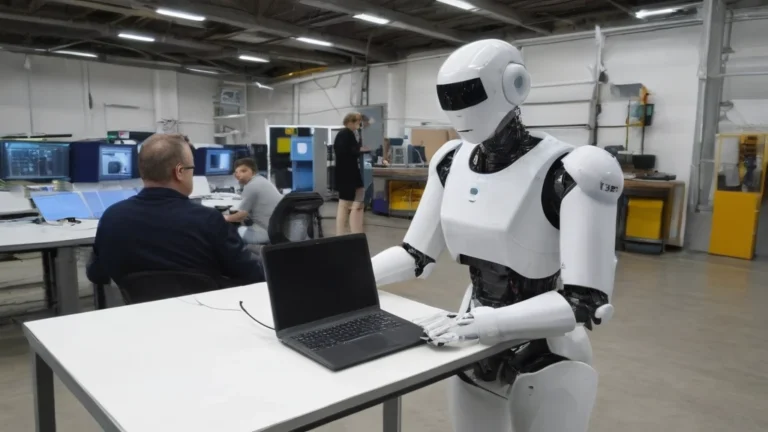
Once, space exploration seemed like an extraordinary fantasy; today, it is becoming a reality thanks to advanced robotic systems. At the Johnson Space Center in Houston, the Dexterous Robotics team plays a key role in developing hardware and software that supports NASA's space missions. Their main goal is to create robots capable of performing precise manual tasks - tasks that until now were exclusively within the domain of humans. Related topic: Exploration Robots.
The team does not aim to replace humans in space. As its leader, Shaun Azimi, emphasizes, the point is for robots to support people, not replace them. The goal is to increase the safety and durability of space exploration by developing devices that can operate in extreme conditions - for example, during satellite repairs or preparing bases on the Moon.
Demonstration with the Valkyrie robot: a step forward in dexterity.
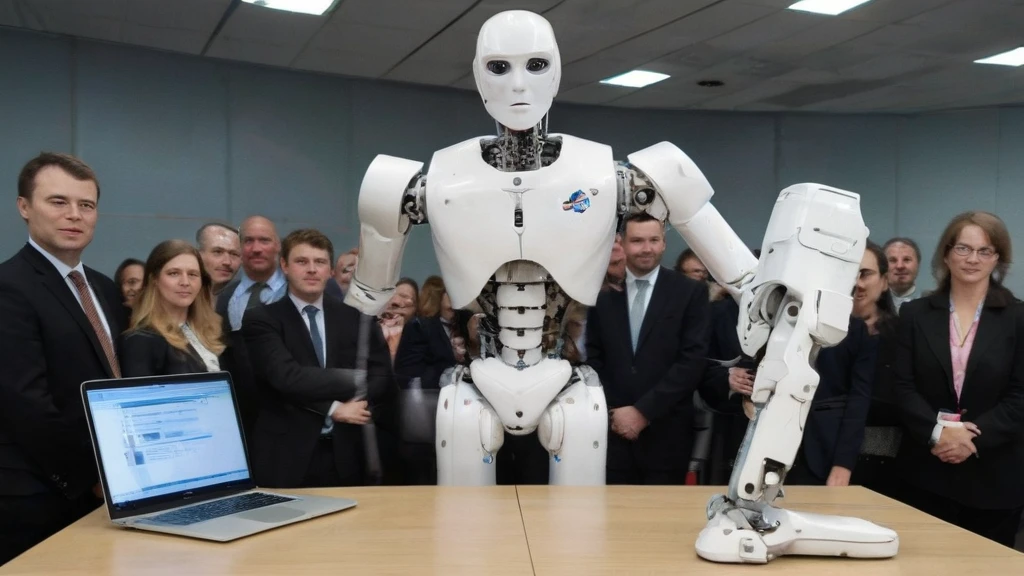
As part of the project, the team conducted a demonstration with the humanoid Valkyrie robot, which is one of the most advanced devices of its kind in NASA's program. The demonstration showed how the robot can perform tasks requiring precision and flexibility - such as opening doors, manipulating tools, or moving around on difficult terrain.
Although this is not yet an implementation in orbit or a pilot mission, the demonstration confirms progress towards creating robots capable of fully collaborating with humans. This is a key stage in the development of technology that may in the future support astronauts during long missions outside the Earth.
Why robots don't replace humans?
The Dexterous Robotics team emphasizes that its goals are far from automating full space exploration. Instead, it is about developing devices that will work in such a way that people can focus on what they do best - making complex decisions, creativity and adapting to unforeseen situations.
As the team leader points out, if robots are more capable, people will be more effective at what they do best. It's not about replacing, but about expanding capabilities - both for astronauts and for space missions as a whole.
The future of human-robot collaboration in space.
The development of dexterous robots is not only a technical challenge, but also a matter of trust. Robots must be not only effective, but also predictable and safe - especially in conditions where an error can have serious consequences.
Although currently robots are mainly tested in laboratories and during demonstrations, their development is crucial for future missions to the Moon or Mars. The collaboration between humans and machines may become a standard - not as a replacement, but as a joint exploration strategy.