

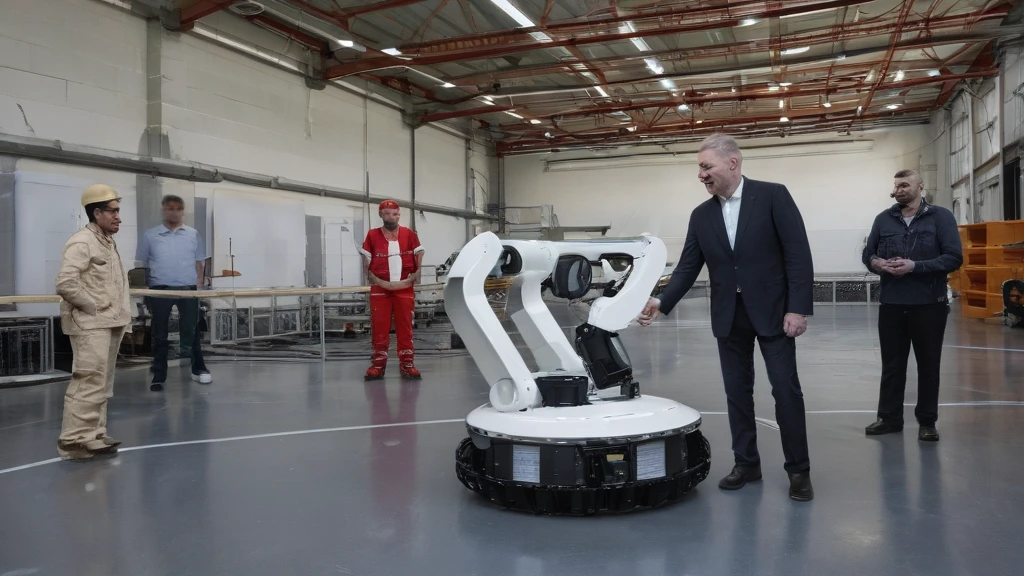
Why the availability of mobile platforms determines plant efficiency
In automated facilities, a single malfunctioning mobile platform can cause delays in conveyor repair, camera adjustments, lighting work, and rack inspections. These machines are not just tools - they are key to maintaining continuous production processes. When a platform is down, technicians wait, production windows shrink, and management starts hearing the least magical sentence in operations: "We will have to reschedule." This is not just a matter of convenience - it is a logistical and safety issue. Therefore, spare parts servicing planning cannot be random.
Instead of reacting to breakdowns, it is worth focusing on a preventive strategy. It is recommended to keep detailed records: machine model, serial number, typical components that wear out quickly, and repair history. Such data helps avoid situations where the team searches for parts in old emails like digital archaeologists. It is also worth dividing the parts into two categories: fast-wearing basic elements - e.g., switches, filters, chargers - and rare but critical components, such as control modules or hydraulic tanks.
The most common causes of failures and why small components can be the biggest problem
Not all parts wear out at the same rate, but some cause unexpected disruptions. Controllers, switches, batteries, chargers, stickers, wires, and hydraulic tanks are often silent problems. They seem insignificant, but they can immediately stop the machine. The most difficult are electrical failures - a weak connection may look like a depleted battery, and a faulty switch resembles a hydraulic problem. Such misleading symptoms waste technicians' time and lead to incorrect diagnoses.
Therefore, the key is to accurately identify the machine model, check the service manual, and precisely match the parts. In the case of specialized components, it is worth using offers tailored to a specific model - this avoids frustrating searches for general solutions that do not fit. Even small differences can affect the fit, calibration or safe operation of the machine. That is why good parts are not just "good enough" - they are critical to the operation of the entire system.
Safety and quality of parts: there is no room for compromise
Repairing a mobile platform is not like changing a wheel in the office. These machines carry people, tools and responsibility. The quality of the parts directly affects the machine's response, platform stability, brake operation and emergency functions. Therefore, one should not underestimate elements considered "small" - stickers, audible signals, limit buttons or status switches are part of the safety and conscious use system.
Even if a part seems to fit physically, its performance under load or in repetitive cycles may differ. Therefore, after each significant repair, it is necessary to check the operation of the machine. It cannot be assumed that the device is ready just because a part has been replaced. Verification protects the operator, the team working nearby and the entire work schedule that was intended to be maintained. This is not a formality - it is a condition for safe operation.
How to prevent failures: from regular inspections to data analysis
 Enlarged imageClose zoomPrevious image
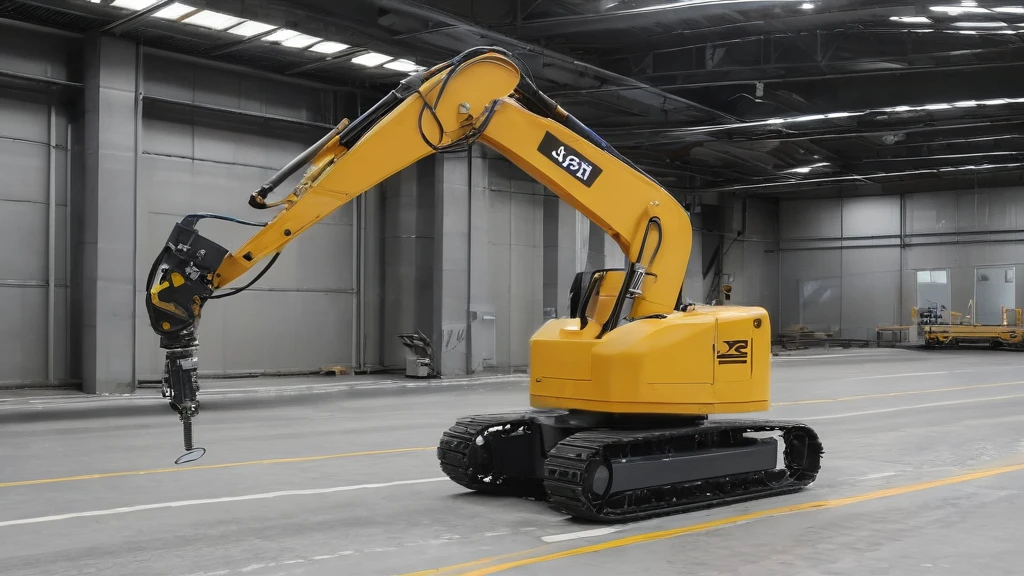
Failure is not always inevitable, but it can be significantly reduced. The most effective strategy is consistency - regular inspections help detect wear before it turns into a failure. Attention should be paid to areas that give early signals: the condition of the battery and its charging, hydraulic leaks or damaged cables, tire wear, brakes and the condition of the platform control and base. It is also worth considering the opinions of operators - if someone reports slow response, strange noises or unstable operation, it must be taken seriously.
In addition, it is worth analyzing failure trends quarterly. If the same machine constantly needs electrical or hydraulic repairs, this may indicate a deeper problem - e.g. improper working conditions, too frequent use or lack of proper wear prediction. Data-driven decisions - even if a spreadsheet is not the most interesting topic for an evening conversation - lead to better results than intuition or reaction.
How mobile platforms support automation and plant efficiency
Automation often gets the attention, but supporting equipment - such as mobile lifting platforms - is equally important. Even with advanced robots, smart sensors and precisely synchronized processes, technicians still need physical access for maintenance and adjustment. Mobile platforms enable this access without interruption. robotization of the production line or an automatic system. When the machine is ready, planned services remain planned.
The result is clean camera surfaces, checked overhead cables, lighting, and road signs in good condition. This is not only about aesthetics - it's about preventing bigger problems. The availability of supporting equipment affects the smoothness of service, the efficiency of personnel work, and reduces downtime between production runs. As a result, we not only increase productivity, but also create conditions in which automation can operate without obstacles.