

Bio-Inspired Robots
Nature and technology
Innovations inspired by the natural world
Adaptive Robots Inspired by Living Organisms
Biomimetics in the Service of Automation
Modern Biology-Based Systems
The future of robotics inspired by nature
Bioinspired robots draw inspiration from nature, from insects to mammals, to create efficient and adaptive systems. Biomimicry makes them more energy-efficient, flexible, and capable of operating in changing environments.
Contact us Watch the videoDrawing on Nature for Innovation
Bioinspired Robots
Imagine machines that imitate not only the appearance but also the behavior of living organisms, opening up entirely new possibilities in robotics. Bio-inspired robots, based on structures and mechanisms found in nature, represent a distinctive area of the Future Offer, changing the face of automation and opening previously unexplored directions for development. By observing nature, engineers and scientists create devices with exceptional efficiency, agility, or resistance to environmental conditions.
Motion Imitation: From flying drones inspired by insect wings to swimming robots modeled on fish, technological adaptations from nature enable impressive precision and energy efficiency.
Adaptation to Conditions: Living organisms have been refined through millions of years of evolution. As a result, plants and animals have developed mechanisms such as spines, suction structures, and specialized coatings that work effectively in different ecosystems. By drawing on these solutions, robots gain the ability to adapt to challenges that conventional designs have previously been unable to address.
Why Is It Worth Paying Attention to Bio-Inspired Robots Today?
- New Areas of Application: From medicine, including microrobots modeled on bacteria or cells, to exploration, including machines climbing walls or assisting in hard-to-reach spaces.
- Energy Efficiency: Imitating natural movements often reduces energy consumption, extending device operating time without charging or battery replacement.
- Environmental Potential: Some projects draw on principles of sustainable development found in nature, such as photosynthesis, which may lead to machine designs that support environmental cleanup or ecosystem restoration.
Bio-Inspired Robots
Examples of Bio-Inspired Robot Applications
Robots inspired by fauna and flora are still often at the prototype or small-scale deployment stage, but their growing popularity and intensive research indicate a significant impact on the automation market in the coming years. Below we present several areas where bioinspiration may prove revolutionary:
Medical Microrobots
Precision Operations in Organisms: Inspired by the movements and shapes of microorganisms such as bacteria, miniature devices can reach selected areas of a patient's body to deliver medication or perform diagnostics.
Minimal Invasiveness: Thanks to their small size and subtle movement methods, such robots reduce the risk of injuries and complications.
Flying Robots Inspired by Insect Wings
Agility and Maneuverability: Designs that imitate the wing movements of dragonflies, bees, or butterflies can use energy more efficiently and move through crowded spaces such as forests or warehouses.
Environmental Protection: Drones of this type can pollinate crops or monitor ecosystem health, supporting agriculture and helping protect biodiversity.
Aquatic and Underwater Robots
Fish Fins and Dolphin Tail Fins: Research into movement mechanisms in water has enabled the development of robots that swim very efficiently without disturbing marine organisms.
Environmental Research: Such machines are effective in monitoring pollution or fish migration, providing scientists with key information.
Climbing and Gripping Machines
Suction Cups, Claws and Adhesive Surfaces: Inspired by geckos, spiders, or small mammals, they can move along walls and ceilings, reaching places that were previously difficult to inspect and maintain, such as building facades and bridge structures.
Rescue and Inspections: The ability to move safely in the vertical plane can be crucial during rescue missions, such as avalanches or collapsed buildings, and in industry, for example on tall chimneys or telecommunications towers.
Inspired by Plant Organisms
Efficient Use of Resources: "Plant robots" could draw energy from sunlight, for example through leaf-like panels, and change shape in response to environmental stimuli.
Applications in Architecture and Integration with the Environment: Imagine machines combining gardening and engineering functions that grow in vertical farms or help create green areas in urbanized environments.
Bioinspiration in robotics are generating innovations that sounded abstract just a decade ago and are now becoming subjects of research and prototype implementations. NexaRob, looking toward the future of automation, is already helping institutions and companies follow this trend and consider practical ways to use it, which over the coming years may provide significant advantages in science, industry, and services.
Challenges and Opportunities
How Can Bioinspired Robots Shape the Future?
Bio-inspired robots offer fascinating possibilities, but putting nature-inspired solutions into practice is not without challenges. Understanding the limitations and opportunities involved in adapting mechanisms from nature helps companies and institutions plan investments and research projects in this field more effectively.
Materials and Durability: Creating machines that operate as efficiently as living organisms requires advanced materials, such as composites and polymers, that are both lightweight and resistant to environmental conditions.
Precise Control: Reproducing complex movements such as jumping, swimming or flying requires advanced algorithms that process sensor data in real time and coordinate motors or drive systems.
Science and R&D: Nature-inspired prototypes are often experimental and primarily intended for research. Scientific institutions can develop these projects while exploring additional areas of application.
Industry and Logistics: Some bio-inspired machines may be used in warehouses, for example robots climbing rack walls, or in sorting facilities, such as grippers imitating insect legs. Implementation, however, depends on adapting them to facility processes and ensuring stable, cost-effective service.
Prototype Stage: The costs of developing and testing individual models are often high, which limits mass production. Prototypes rarely meet all commercial requirements, and deployment requires patience from investors.
Joint Purchasing Models: Cooperation with an integrator such as NexaRob enables orders to be combined for bulk purchasing. This allows organizations interested in bio-inspired innovations to jointly reduce unit costs and share experience.
Operational Safety: Technical guidelines should be developed to define how devices inspired by animals or plants are tested for human and environmental safety.
Certifications and Regulations: For insect-inspired drones or robots with adhesive feet, many legal issues and quality standards are still emerging in response to these innovations.
Energy Efficiency: The movement mechanisms of living organisms are often the result of long evolution toward energy efficiency. Adapting these strategies in machines may help reduce CO2 emissions and support an environmentally responsible approach to production.
New Business Areas: Beyond the industrial sector, bio-inspired robots may also be of interest to the entertainment industry, such as interactive educational parks, agriculture, including machines whose movements imitate pollinating animals, or rescue services, including kite-like drones inspired by bird wings.
Although bio-inspired robots are still often at early stages of development, but rapid progress in materials, computing, and mechanics suggests that over the next decade they could significantly transform many areas of industry and services. Careful analysis of challenges and costs, along with building suitable human and legal resources, is key to using this branch of robotics effectively.
Bio-Inspired Robots
How to Prepare for the Deployment of Bio-Inspired Machines
For companies, research centers and public-sector organizations planning to use bio-inspired robots in the future, understanding the conditions required for successful implementation is important. As a technology integrator, NexaRob suggests several steps that can facilitate adoption and development of nature-inspired solutions:
Needs Assessment
- Task Definition: Defining the specific activities for which the robot is intended, whether climbing robots, swimming robots or perhaps assistants for work in hard-to-reach environments.
- Autonomy Level: You should decide whether semi-autonomously controlled devices are sufficient or fully autonomous robots are needed that make movement decisions in real time.
Infrastructure and Technical Facilities
- Communication and Power Networks: Although bio-inspired robots are often energy efficient, they require stable power sources or efficient batteries, as well as data transmission systems such as Wi-Fi or 5G adapted to the specific movement patterns of the machines.
- Workstation Optimization: If the devices are to operate in a factory, warehouse, or research center, it is worth planning areas for maintenance, testing, and potential module replacement.
Specialized Staff and Training
- Expert Support: The movement and communication mechanism of a robot "born" from inspiration in nature may require a new approach to programming and maintenance. Training and participation in pilot projects are essential.
- Employee Education: Getting personnel accustomed to the presence of unusual machines and learning the basics of safety and operation are key to trouble-free human-robot cooperation.
Profitability Analysis and Financing
- Prototype Costs: Bio-inspired devices can sometimes be expensive, especially during the R&D phase. NexaRob can suggest participation in bulk-purchasing pools or applications for funding from innovation programs.
- Long-Term Benefits: ROI should be assessed not only through labor-cost savings but also through promotional impact, innovation and competitive advantages gained by the company.
Cooperation with Technology Partners
- Integration and Service: Even the best device will not fulfill its role without appropriate after-sales support and regular software updates.
- Opportunity for Pilot Projects: Many robotics companies are looking for farms, factories or institutes willing to conduct real-world testing. This is an opportunity to enter innovation early and help shape it around specific needs.
Bio-Inspired Robots can significantly strengthen the competitiveness of companies and open new areas of research, but they require careful technical and organizational preparation. NexaRob helps explain how to match these solutions to real needs in terms of technology, implementation costs, and workforce development.
Environmental Potential and Sustainable Development
Why Does Bio-Inspiration Pay Off?
Although bio-inspired robots are often associated mainly with futuristic concepts, this approach may be important for addressing environmental and ecological challenges. Patterns found in nature not only provide high energy efficiency, but can also support more harmonious coexistence between machines and the environment. Here is how technologies inspired by fauna and flora can support sustainable development:
Optimal Energy Use
- Animal Motion Imitation: Many animals can move while minimizing energy use, such as fish swimming with a river current or birds using air currents. Applying these principles to robots can reduce power consumption and extend device operating time.
- Photosynthetic Inspirations: Some concepts involve developing robots capable of converting solar energy, for example through "artificial leaves" or panels inspired by plant structures. This creates an opportunity for autonomous devices that can operate for longer periods without external charging.
Biodiversity Protection
- Pollinating Drones: Machines resembling pollinating insects can support agricultural ecosystems when bee populations decline. This helps maintain crop productivity and plant species diversity.
- Adhesive Properties Inspired by Nature: Robot surfaces inspired by gecko feet or other animals that climb vertical surfaces enable gentle contact with objects, minimizing the risk of damage, which is valuable in protecting reserves and protected areas.
Minimizing the Environmental Footprint
- Eco-friendly Materials Science: Designers are increasingly turning to biodegradable plastics or environmentally friendly composite materials, such as those based on natural fibers.
- Compact Size: Many robots inspired by small insects or aquatic organisms have low weight and compact dimensions, which means lower transport costs and reduced resource requirements.
Environmental Control and Monitoring
- Inspection Robots: Devices that mimic the movement of fish or amphibians can continuously monitor water quality and vegetation growth in reservoirs, helping protect aquatic ecosystems.
- Pollution Analysis: Sensors modeled on delicate structures, such as insect antennae, can detect chemical or biological contamination at an early stage, enabling rapid preventive action.
Bio-Inspired Robots not only present innovative approaches to movement and interaction with the environment, but also support sustainable development strategies. For companies and institutions seeking environmentally friendly solutions, they therefore offer an interesting path toward building competitive advantages while taking a responsible approach to resource management.
Cooperation with NexaRob
From Bio-Inspired Concept to Practical Deployment
Moving from inspiration found in nature to the deployment of functional robots requires knowledge of biology, mechanical engineering, materials science, programming, and artificial intelligence. By working with a global network of partners and scientists, NexaRob helps transform bold visions into activities supporting business, science, and industry:
Bioinspiration Consulting
- Needs and Potential Analysis: Determining which movement elements, behaviors, or structures derived from nature best match the project objective, for example robots for agricultural cultivation, inspection machines, or rescue devices.
- Concept Development: Assistance in creating project documentation, defining prototype functionality, and developing an initial implementation strategy.
Prototyping and Purchasing Models
- Bulk Technology Purchases: Together with several interested entities, we can consolidate orders for modules, sensors, or components required to build bio-inspired machines, obtaining better pricing conditions as a result.
- Research and Development Facilities: NexaRob provides access to laboratories and engineers experienced in working with non-standard materials such as composites and flexible coatings, as well as AI systems.
Implementation and Integration
- Connection to IT Infrastructure: For robots to operate autonomously or semi-autonomously, suitable software, a communication network, and real-time data analysis tools are required. NexaRob supports their integration.
- Staff Training: Putting nature-inspired robots into practice often requires a change in approach and new knowledge, especially when the device's movements and their meaning are unfamiliar to management or operators.
Project Development and Evolution
- Updates and Expansion: Bio-inspired robots can be modified as research progresses and new inspiration from nature emerges. NexaRob helps plan and execute subsequent stages so devices continuously gain functionality.
- Review of Financing Options: Projects using ideas from bionics or biomimetics may receive support from innovation programs, such as EU or national grants, which significantly facilitates financing further technology development.
With an experienced integrator such as NexaRob, both companies and research organizations can move more smoothly through the concept, implementation, and further development phases, minimizing risk and ensuring continuous access to technical support and expert knowledge. Bio-Inspired Robots can become a genuine market advantage, not only as a spectacular curiosity, but above all as a tool combining efficiency, innovation, and respect for the environment.
Frequently Asked Questions
Key Questions About
bio-inspired robots
Although bio-inspired robots may sound like a futuristic concept from science fiction, demand for this type of solution continues to grow. Below we present key questions and answers frequently raised by people considering the implementation of devices inspired by nature.
Many systems remain at the prototype and research stage, but limited deployments are already being developed in parallel, such as insect-inspired drones used for plant pollination or microrobots for testing and medical purposes. The trend suggests that more solutions ready for commercial use will appear in the coming years.
Often yes. Movement mechanisms that evolved over millions of years can provide greater agility or lower energy consumption. At the same time, advanced materials may sometimes be required, increasing manufacturing and maintenance costs.
It is similar to introducing other innovative solutions. Key factors include compatibility with control systems, reliable connectivity (e.g. Wi-Fi, 5G), and appropriate operator training. NexaRob provides consulting and integration support in this area.
This requires an ROI (return on investment) analysis. Although initial costs may be higher due to the prototype nature of the equipment, benefits such as energy savings, lower failure rates, or unique motion capabilities may outweigh purchase and servicing expenses over the longer term.
Much depends on the specific project. If nature provides inspiration, such as creatures living in jungles, deserts, or deep waters, engineers try to transfer their adaptive characteristics. Special materials and testing under conditions similar to the target environment are usually necessary.
As with other automated solutions, safety standards and procedures apply and must be developed with the robot's unique movements and specific design in mind. Additional sensors and emergency braking systems are usually introduced.
Yes. Machines that reproduce the mobility of insects or reptiles can move through dangerous or hard-to-reach areas such as collapsed structures and caves, which can be invaluable for search-and-rescue services.
Likely applications include warehousing and logistics, with agile robots climbing racks, agriculture, with drones modeled on pollinating insects, aquatic engineering, with swimming robots using fins, and medicine, with microrobots acting as drug carriers.
Prototype or low-volume designs often require more advanced support. For this reason, cooperation with an integrator such as NexaRob is important, as the integrator can organize training, spare parts, and software improvements.
For all monitoring systems, including cameras and sensors, personal data protection standards and applicable laws, such as GDPR, must be observed, especially if the robot collects information about terrain, people, or the environment.

More questions?
Visit our FAQ section for detailed information, practical guidance and answers to frequently asked questions. If you need additional help, contact us. We will be happy to answer your questions!
Why NexaRob?
NexaRob combines enthusiasm for innovation with experience in delivering automation and modern robotics projects. We provide technologies from trusted partners, and our global network of collaborating companies and research centers enables comprehensive support across various industries. If you are considering implementing solutions inspired by animal movement, plant structures, or evolutionary mechanisms, NexaRob can help you move from concept to a working prototype and then to a fully commercial product.
- Holistic Approach to Automation We view bio-inspired robots not only as individual devices but also as elements of an ecosystem that brings together different scientific disciplines as well as industry and end-user requirements. We ensure tools and technologies are matched to specific processes, minimizing the time required to adapt a solution.
- Global Network of Suppliers and Specialists We cooperate with universities and R&D centers in many countries, giving us access to the latest materials, AI innovations and prototype manufacturing methods. Our organized bulk-purchasing model provides more favorable financial terms, helping turn a vision into a feasible project.
- Long-Term Partnership and Service NexaRob provides assistance with implementation, training, and device servicing so that your projects can develop in a stable and effective manner. We continuously monitor the market and research solutions to propose the latest updates or modifications, giving you confidence that your investment will remain current for years to come l
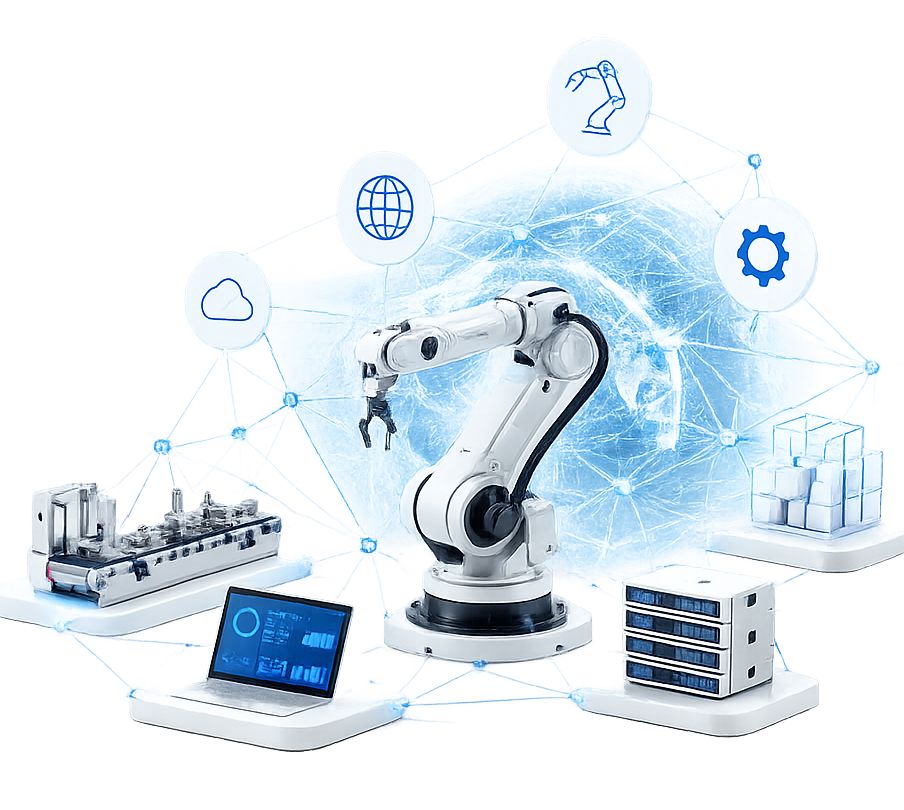
Contact us to learn how bio-inspired robots can enhance your operations with innovation, sustainability, and efficiency by drawing on solutions from nature that perform well in the most demanding environments.
Automate Your Business with NexaRob - Contact Us!
Global Reach
We Operate Globally, Support Locally
Bio-inspired Robots, although still partly at the prototype stage, are attracting the attention of research institutions and companies around the world. From laboratories in the United States and Europe to Asian start-ups developing miniature dragonfly drones, solutions that imitate nature are becoming increasingly common. By cooperating with manufacturers and researchers across different continents, NexaRob helps transfer knowledge and implementations between markets:
- Presence in Research Centers We exchange experience with universities and R&D centers that are pioneers in designing machines inspired by animals and plants. This keeps us up to date with the latest prototypes and scientific trends.
- Supporting Joint Purchasing and Adaptation In many countries, legal frameworks and standards for highly innovative machines are lacking. NexaRob participates in adapting these solutions to local requirements and also in organizing purchases under wholesale models.
- Versatility and Customization Adapting to different geographical, climatic, or cultural conditions requires considerable flexibility from robots. Prototypes tested in dry climates may require modifications when introduced into tropical zones. NexaRob combines global know-how with local needs, helping adapt equipment and procedures to the specifics of a given industry or region.
- Contribution to Global Sustainable Development Nature-inspired robots may be used in environmental projects, for example, plans to reintroduce plants in difficult terrain or to remove pollutants from water. In markets where environmental protection is becoming a legislative and social priority, bioinspiration aligns with the trend toward efficient use of energy and materials.
Global Reach of Operations NexaRob enables the transfer of solutions from the most advanced laboratories to companies and institutions seeking unusual, innovative machines. Bio-Inspired Robots, although in many cases pioneering and still evolving, demonstrate that nature contains a vast body of knowledge about efficient movement and adaptive mechanisms. Adopting these patterns on a global scale could bring benefits ranging from greater efficiency and a new level of environmentally responsible practices to exciting projects across different areas of the economy and science.

United States

China

Japan

Germany

India

United Kingdom

France

Italy

Canada

South Korea

Brazil

Australia

Spain

Mexico

Indonesia

Netherlands

Saudi Arabia

Turkey

Switzerland

Taiwan

Poland

Sweden

Belgium

Thailand

Ireland

Austria

Norway

Israel

United Arab Emirates

Argentina

South Africa

Denmark

Philippines

Singapore

Malaysia

Colombia

Bangladesh

Egypt

Chile

Finland

Vietnam

Portugal

Czech Republic

Romania

New Zealand

Peru

Greece

Ukraine

Slovakia

Hungary

Slovenia

Croatia

Serbia

Bulgaria

Estonia

Latvia

Lithuania

Iceland

Luxembourg

Malta

Cyprus

Morocco

Algeria

Tunisia

Nigeria

Kenya

Ethiopia

Ghana

Tanzania

Uganda

Angola

Senegal

Qatar

Kuwait

Oman

Pakistan

Sri Lanka

Nepal

Kazakhstan

Uzbekistan

Mongolia

Russia

Cambodia

Myanmar

Laos

Fiji

Papua New Guinea

Venezuela

Ecuador

Uruguay

Paraguay

Bolivia

Costa Rica

Panama

Dominican Republic

Guatemala

Cuba

Jordan

Lebanon

Iran
Additional countries in Europe
These countries are hidden in reader mode so that the map is not overcrowded. Click a country to open contact details, email and a description of the cooperation area.
Additional Countries in Asia
These countries are hidden in reader mode so that the map is not overcrowded. Click a country to open contact details, email and a description of the cooperation area.
Additional Countries in the Americas
These countries are hidden in reader mode so that the map is not overcrowded. Click a country to open contact details, email and a description of the cooperation area.
Additional Countries in Africa
These countries are hidden in reader mode so that the map is not overcrowded. Click a country to open contact details, email and a description of the cooperation area.
Additional Countries in Oceania
These countries are hidden in reader mode so that the map is not overcrowded. Click a country to open contact details, email and a description of the cooperation area.
Albania
Andorra
Belarus
Bosnia and Herzegovina
Montenegro
Liechtenstein
North Macedonia
Monaco
Moldova
San Marino
Afghanistan
Armenia
Azerbaijan
Bahrain
Bhutan
Brunei
Georgia
Iraq
Yemen
Kyrgyzstan
North Korea
Maldives
Syria
Tajikistan
Timor-Leste
Turkmenistan
Antigua and Barbuda
Bahamas
Barbados
Belize
Dominica
Grenada
Guyana
Haiti
Honduras
Jamaica
Nicaragua
Saint Kitts and Nevis
Saint Lucia
Saint Vincent and the Grenadines
El Salvador
Suriname
Trinidad and Tobago
Benin
Botswana
Burkina Faso
Burundi
Cabo Verde
Chad
Democratic Republic of the Congo
Djibouti
Eritrea
Eswatini
Gabon
Gambia
Guinea
Guinea-Bissau
Equatorial Guinea
Cameroon
Chambers
Congo
Lesotho
Liberia
Libya
Madagascar
Malawi
Mali
Mauritania
Mauritius
Mozambique
Namibia
Niger
Central African Republic
Rwanda
Seychelles
Sierra Leone
Somalia
Sudan
South Sudan
Togo
Ivory Coast
São Tomé and Príncipe
Zambia
Zimbabwe
Kiribati
Micronesia
Nauru
Palau
Samoa
Tonga
Tuvalu
Vanuatu
Marshall Islands
Solomon Islands
Let's Create Bio-Inspired Robots Together
Would you like to become our Partner?
At NexaRob, we see enormous potential in bio-inspired robots and believe they can set new standards in robotics. We encourage scientific institutions, technology startups, engineering companies, and industrial and service organizations to cooperate in creating and improving innovative machines inspired by nature.
Why Work with NexaRob?
Joint Investments in Innovation
We organize bulk purchases of prototype components, such as custom sensors, composite materials, and specialized drives, making it possible to obtain more attractive prices and share costs.
We help prepare applications for funding and grants for biomimicry and bionics projects, enabling faster prototype development and commercialization.
Synergy of Knowledge and Experience
We provide access to a network of scientists, engineers and designers from different fields, making it easier to construct machines that combine mechanics, biology, artificial intelligence and advanced materials.
We organize workshops, webinars and expert discussion panels to share the latest discoveries and trends in nature-inspired robotics.
Flexible Implementation Models
We provide consulting on implementation strategy, from small test pilot projects to large-scale research and development programs.
We support the integration of prototypes into company infrastructure, such as warehouses and production halls, as well as into field environments such as agriculture, rescue operations, and municipal services.
Who Are We Looking For?
- Research Institutes and Universities: Organizations with a scientific background seeking practical applications for research findings in biomimetics and bionics.
- Engineering Companies and Startups: Organizations ready to test or commercialize bioinspired solutions and wishing to benefit from NexaRob's global network of contacts and integration experience.
- Industrial and Service Companies: Organizations recognizing the potential in the exceptional flexibility and efficiency of nature-inspired robots, from logistics to ecology and waste management.
Let's Join Forces
To create and develop bionic machines that can contribute to real changes in industry and our surroundings. NexaRob wants to be a partner on the path toward next-generation automation based on harmony with nature and mechanisms proven through millions of years of evolution.
Interesting Facts from Around the World
Autonomous needle insertion in a CT scanner chamber with breath control.
The system for integrating respiratory sensors and secure control enables autonomous needle injection in the CT scanner chamber.
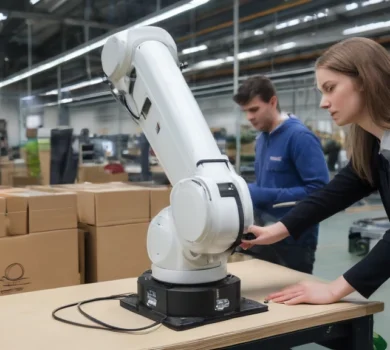
Swedish startup 120ft has built the first microfactories with humanoid robots.
Swedish startup 120ft emerged from stealth after raising €576,000 in angel investments.
How robots learn to improve in real time through critiques and residual flows.
A new approach to robotics, based on residual flow and level-of-detail criticism, has achieved a 66% success rate.
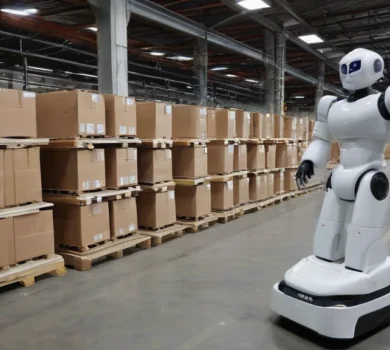
Teradyne Robotics and Sereact have implemented physical AI in Zalando’s logistics centers.
At Zalando’s logistics centers in Greven and Świebodzin, collaborative robots working with the Sereact Cortex platform operate automatically.
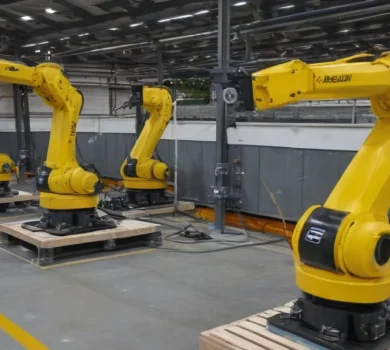
Full traceability in production thanks to robots and system integration
Atmus Filtration has implemented a modern robotic system for assembly and inspection, which ensures complete product traceability.