
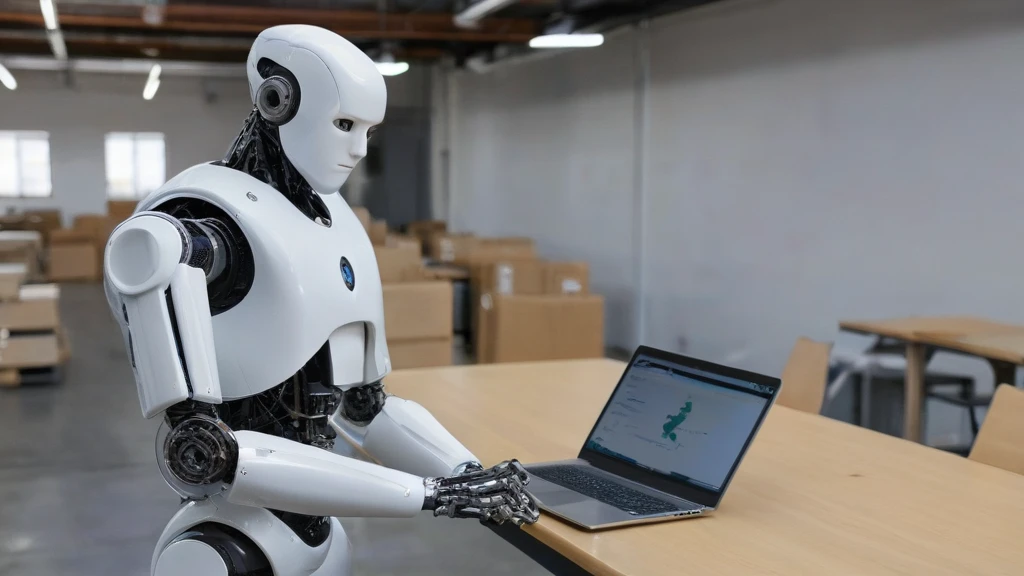
New generation of service robots: from humanoid to cleaning devices.
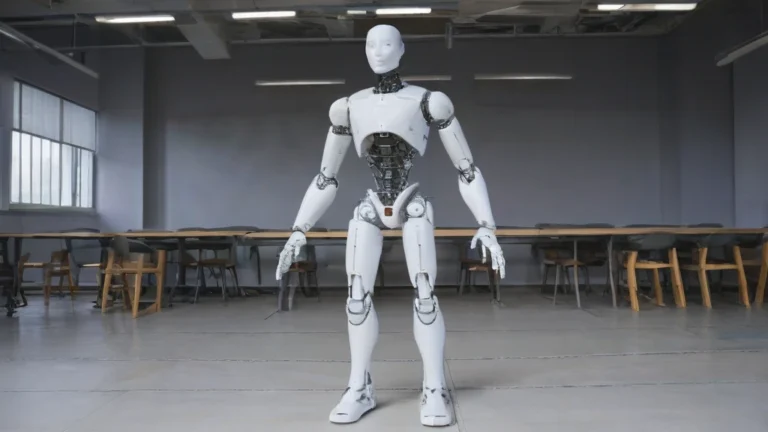
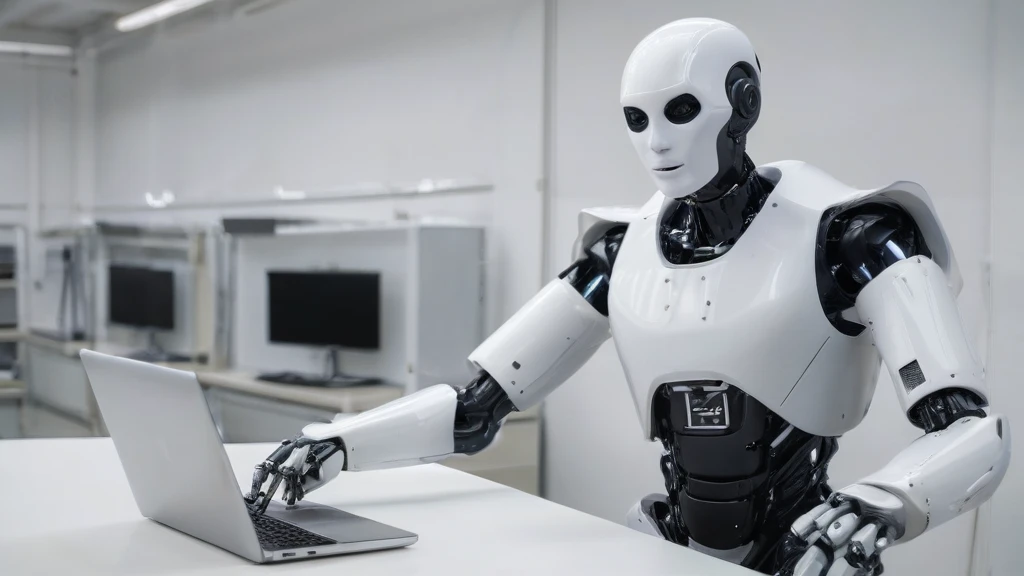
KEENON Robotics, known for its autonomous solutions in the service industry, has set a new milestone in its offering. In April 2025, the company presented the XMAN-R1 humanoid and three new cleaning robot models - C40, C55, and C20. This is not just an extension of the existing product line, but a transition from specialized solutions to a comprehensive ecosystem that combines different types of robots in a single management system. The new features are part of the company's long-term strategy focused on integrating smart devices in real-world working conditions - from shopping malls to hotels and industry.
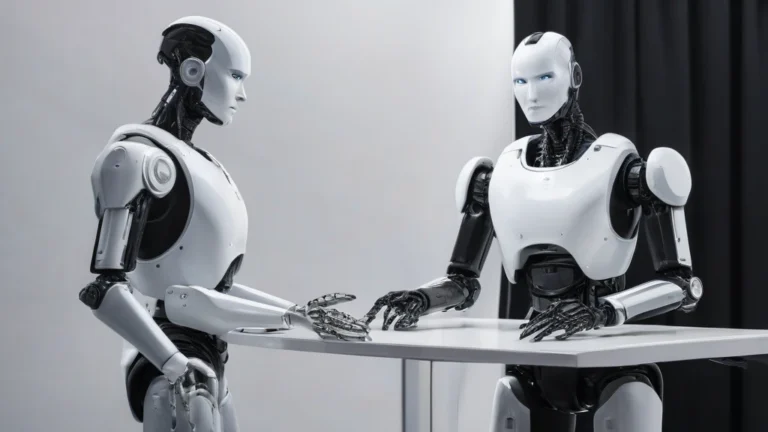
The premise of the new generation is not only autonomy, but also the ability to cooperate. XMAN-R1 is intended to be not only a person in robotic form, but also a coordination point between different devices - such as KLEENBOT C30 or DINERBOT T10. Although the company emphasizes that the robot will develop through 'smart learning', there is still no data confirming its operation in real conditions or information about specific tests or pilots.
KLEENBOT C40, C55 and C20 - specialization for different environments.
The new KLEENBOT line has been designed to fully cover the needs of different spaces. The KLEENBOT C40, with a minimum passage width of 65 cm, is intended for medium-sized rooms - such as shops, offices or restaurants. Its triple brush system allows simultaneous washing and scrubbing, and quick drying after cleaning prevents stains. The robot has 10 sensors, which enables smooth navigation in complex spaces.
KLEENBOT C55, designed for large areas - such as shopping malls or airports - offers a cleaning width of 55 cm and a large water tank. It has an 11.6-inch screen displaying the current operating status, supports multi-robot collaboration and a function to resume cleaning after a break. The C20, with a thin profile of 35 cm, is ideal for small spaces - such as grocery stores or office corridors. Its dual-tank system ensures that only clean water is used for cleaning, and dirty water is automatically collected.
 Enlarged imageClose zoomPrevious image
Integration and the future: what remains unconfirmed?
All new features are supported by the KEENON application and cloud platform, enabling real-time monitoring and task scheduling. This is a key element of the ecosystem - however, there is no information on whether these functions have already been implemented in real projects. Although the company states that XMAN-R1 will evolve through "intelligent learning," no data has been provided to confirm its operation in a real environment or benchmark tests.
It is worth noting that although the new features are presented as a "new turning point," there is no information about pilots, demonstrations, or real implementations. All claims relate to the future - for example, about "continuous improvement of coordination" or "future advancements." This means that we are currently dealing with a declaration of strategy, and not with ready-made solutions available on the market.
Significance for the service industry and robotics
The presentation of the XMAN-R1 humanoid in the context of a complete system of cleaning robots shows a new path for the development of service robotics: not only automating individual tasks, but creating intelligent ecosystems. If KEENON succeeds in realizing its vision of cooperation between different types of robots, it may open up new opportunities for the industry - for example, in the hotel or warehouse logistics sectors.
However, there is currently a lack of evidence confirming the effectiveness of this approach. The lack of information about tests, pilots, or real implementations means that the new features remain at the level of technological declaration. Will XMAN-R1 really work with other robots? Does KLEENBOT C55 actually support multi-agent collaboration in practice? These are questions that remain unanswered - and their solution will be key to assessing the value of the new solutions.