
Growth of automation in the Japanese automotive industry
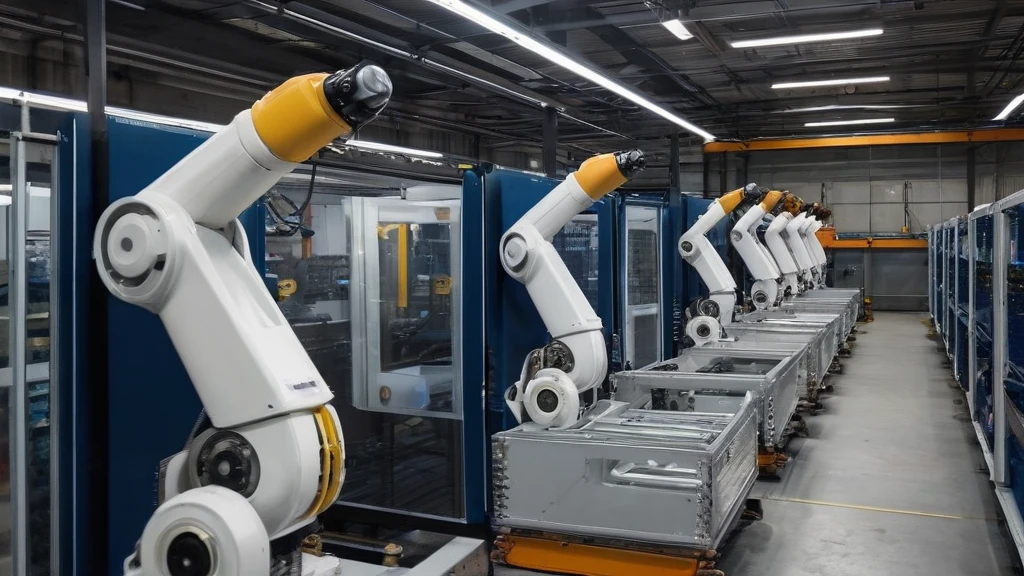
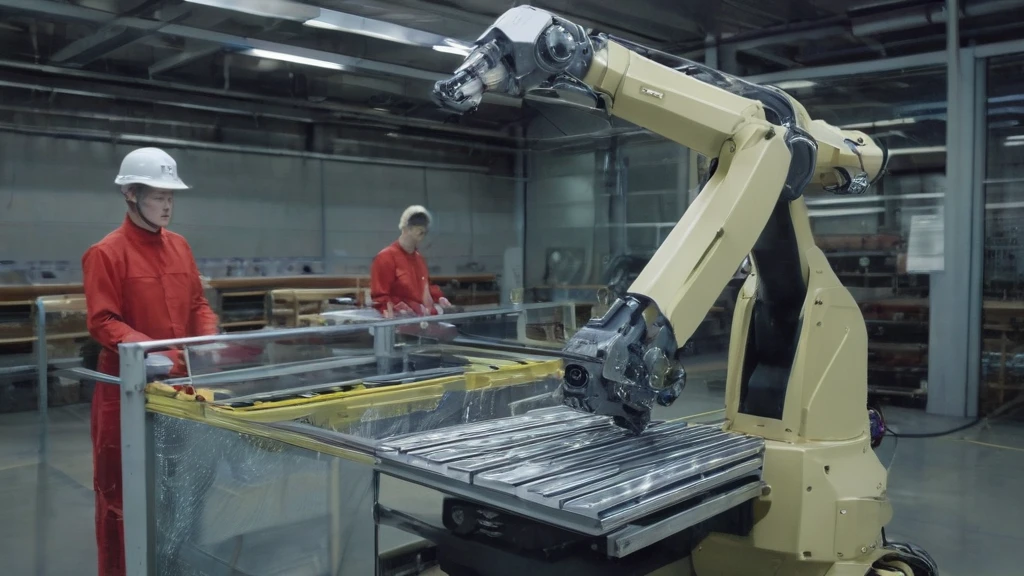
Data from the International Federation of Robotics (IFR) shows that the Japanese automotive industry installed approximately 13,000 robots in 2024. This is the highest level since 2020 and represents an 11% increase compared to the previous season. This growth is part of a long-term trend of production modernization, which has accelerated in recent years due to energy transformation and the need to improve efficiency. industrial robots The installed robots are not only tools for assembly - they are a key element of the industry's adaptive strategy. New technologies are being introduced, including the production of electric and hydrogen-powered vehicles, which requires flexible production lines. Automation allows for rapid adaptation of processes to changing models and drive technologies.
Japan as a global leader in automation
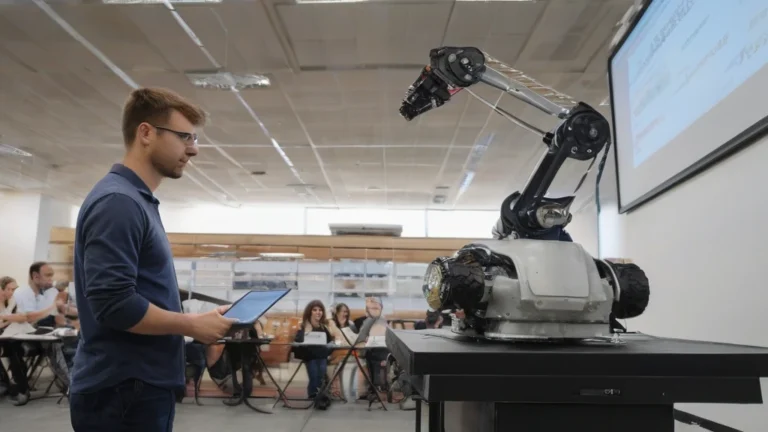
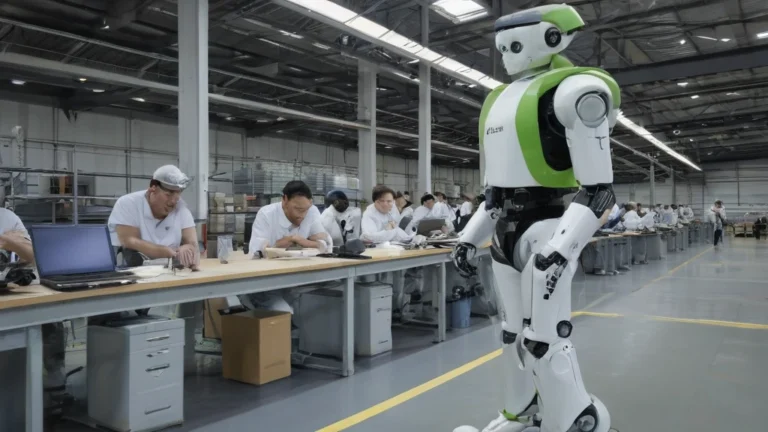
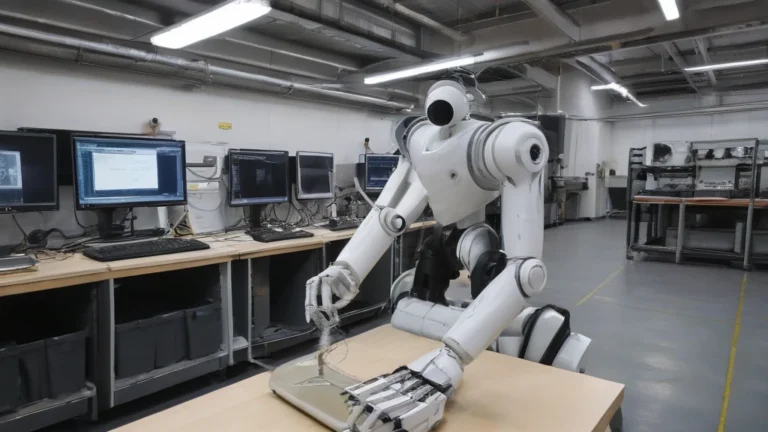
Japan as a global leader in automation - illustrative visualization
 Enlarged imageClose zoomPrevious image
It is worth noting that despite the growth in the automotive industry, another sector - electronics and electrical engineering - recorded a decrease in installations of 5%. This may suggest a shift in investment from one industrial branch to another. However, since the automotive industry still accounts for approximately 25% of all annual robot installations in Japan, its importance to market dynamics is crucial.
The Japanese automotive industry not only maintains its leading position in automation density but also shapes global standards in integrating robots into production processes. The increase in the number of installed units shows that investments are directed not only at increasing efficiency but also at developing flexible production systems that can quickly respond to market changes. This is particularly important in the context of the transition to electric and hydrogen drives, where continuous adjustments to assembly lines are needed. Automation allows for reducing downtime, minimizing human errors and enabling precise quality control - key aspects in the new era of production.
The Japanese automotive industry not only maintains its leading position in automation density but also shapes global standards in integrating robots into production processes. The increase in the number of installed units shows that investments are directed not only at increasing efficiency but also at developing flexible production systems that can quickly respond to market changes. This is particularly important in the context of the transition to electric and hydrogen drives, where continuous adjustments to assembly lines are needed. Automation allows for reducing downtime, minimizing human errors and enabling precise quality control - key aspects in the new era of production.
Furthermore, the growing role of robots in human-assisted processes (cobots) shows that the future does not lie in completely replacing humans, but in their effective collaboration with machines. This approach is already visible in projects related to Expo 2025 in Osaka, where robots are not only a production tool, but also an element of building a society of the future - supporting education, healthcare and daily life. Although not all innovations have yet been implemented on an industrial scale
The increase in robot installations in the Japanese automotive industry is not just a technological development, but also a response to structural challenges in the market. Rising labor costs, time pressure in production, and the need to adapt to global sustainability trends are making automation not only an option, but a necessity. In particular, investments in robots that support the production of electric and hydrogen vehicles are crucial for maintaining leadership in the global market. New production lines must be not only efficient, but also flexible - which is only possible thanks to advanced automation systems. In this context, robots are no longer just tools for assembly, but an integral part of the digital transformation of the industry, enabling continuous optimization of processes and rapid introduction of new models. This approach confirms that Japan is not only investing in technology, but also shaping the future of industrial production on a global scale.
The future of production and new challenges
The transformation of the automotive sector in Japan is not limited to increasing the number of robots. New production models are being introduced that combine automation with flexibility and integration of humans with machines. This is already visible in the preparations for Expo 2025 in Osaka, where the "Future Creation Robot Week" will be held - an event dedicated to human-robot collaboration in everyday life.
This event is not just a demonstration of technology. It shows how robots can support not only production, but also sectors such as education and healthcare. However, although the indications are clear, there is no confirmation that these innovations have already been implemented on an industrial scale - it is rather a perspective and direction of development.