
Vision and reality: what does the new IFR report say?
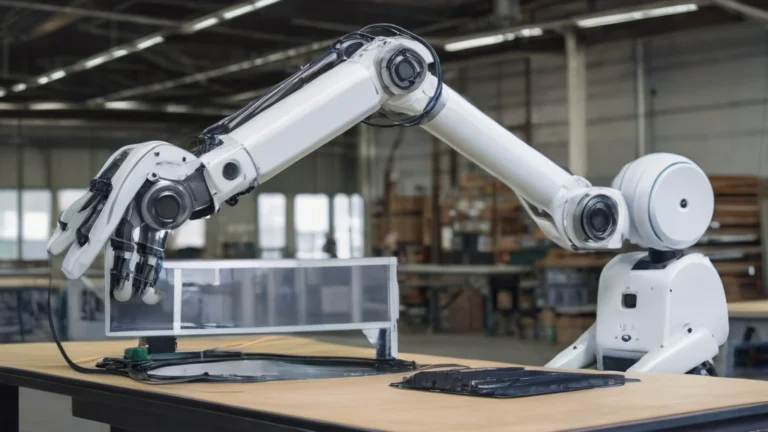
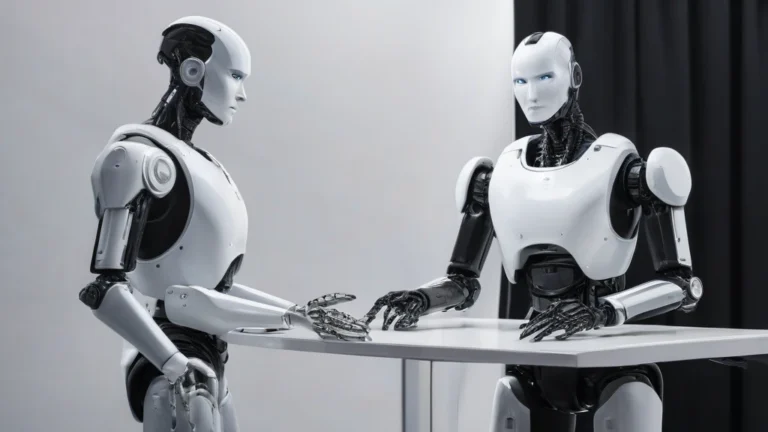
The International Federation of Robotics (IFR) has released a new position paper that considers the potential, limitations, and regional differences in the approach to humanoid robots. The paper is not a forecast of mass introduction of these devices, but an analysis of existing trends, investments and expectations. According to IFR, although people are fascinated by the idea of human-like robots in homes and businesses, their real role will be more complementary than a replacement for current automation solutions.
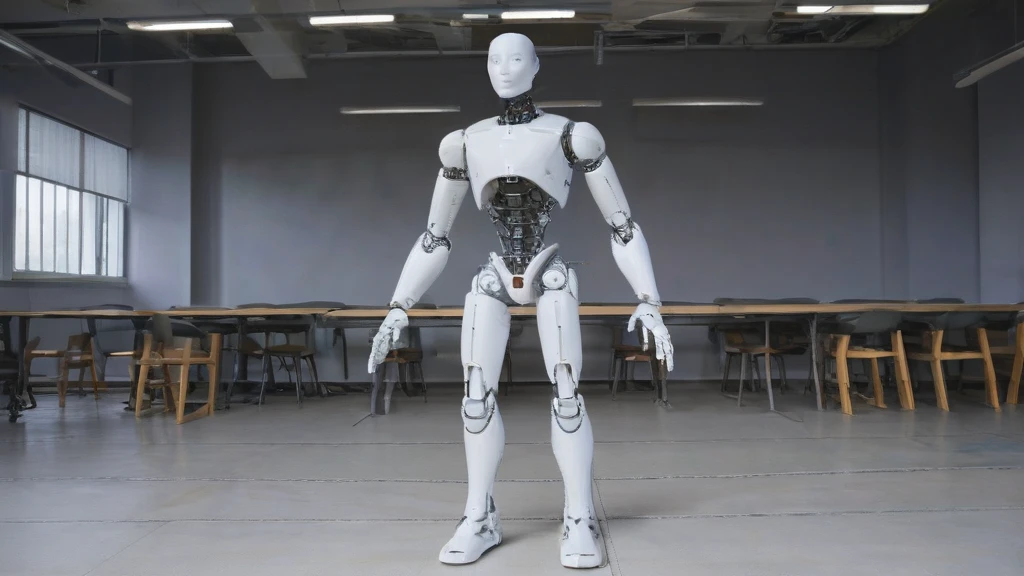
The report emphasizes that the environment of the world is optimized for the human form - hence the natural demand for machines with similar leverage. However, the implementation of such solutions requires not only advanced technology, but also ethical solutions, safety and social acceptance. IFR does not predict their rapid replacement of industrial or collaborative robots in factories.
Investments and strategies: differences between regions
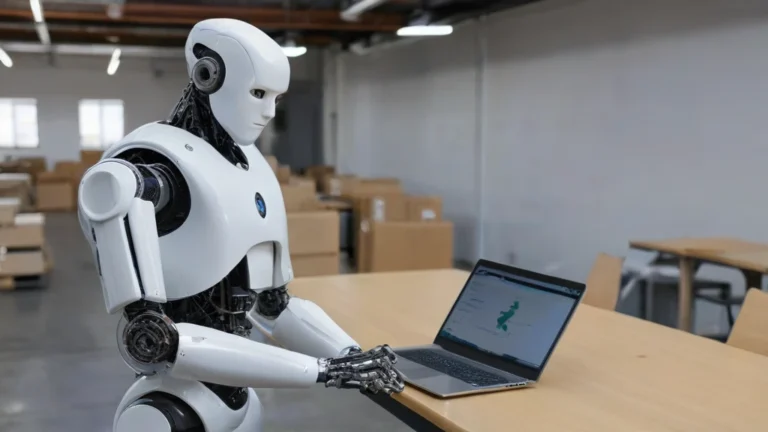
In the United States, the development of humanoid robots is strongly supported by private investment. Companies such as NVIDIA, Amazon and Tesla are investing in AI and robotics, focusing on practical applications - mainly in logistics and production. The goal is not to create social companions, but tools to increase efficiency and productivity.
In China, the situation is different. Humanoid robots are part of a national strategy - the country wants to demonstrate its technological competence on the global stage. The main goal is to build a scalable supply of key components and deploy robots in the service sector, such as customer service. Automation of production lines is the second stage.
Japan: from companions to supporting society
Japan, as a pioneer in this field, treats humanoid robots as part of everyday life. The introduction of devices such as Pepper or Palro aims to support the elderly, education and interaction in stores. This reflects the needs of an aging society - robots are not only tools, but elements of harmonious coexistence with humans.
Companies such as Kawasaki are developing robots as research platforms. Their goals are not aimed at mass production, but at testing human-to-human interactions and developmental functions. Japan emphasizes the importance of social acceptance and user comfort.
In Japan, the development of humanoid robots is not limited to supporting society - they are also treated as research tools in the field of human interaction. Companies like Kawasaki and SoftBank are testing new models in real-world conditions to assess their ability to recognize emotions, adapt to changing situations, and build trust with people. Research shows that social acceptance depends not only on functionality but also on natural facial expressions, tone of voice, and fluidity of movement. That is why Japan invests in the development of emotional technologies that allow robots to react more like humans, which increases their usefulness in social environments such as hospitals or nursing homes. This approach shows that the success of humanoids does not depend only on technical performance but also on the ability to integrate socially and emotionally.
Europe: caution, ethics, and safety
 Enlarged imageClose zoomPrevious image
In Europe, the approach to humanoid robots is much more restrictive. The focus is on collaborative robots (cobots) that support people at work rather than replacing them. European companies are cautious about using humanoids for automation in production and services in the short and medium term.
Instead, attention is focused on ethical aspects, data security, and the impact of technology on society. The European perspective emphasizes the need for regulation and thoughtful integration - robots cannot be introduced without appropriate legal and social frameworks.
Perspectives: when will a humanoid robot become a common tool?
The IFR report does not predict widespread adoption of humanoids as domestic helpers in the near future. Although their ability to perform complex tasks - thanks to human leverage and adaptation - is high, real technical, cost-related, and social challenges remain significant.
Instead, IFR points to development as a complement to existing solutions. Humanoid robots may find applications where traditional robots are insufficient - for example, in dynamic environments that require flexibility and intuition. However, their role will be limited to specialized cases rather than mass introduction.