

The liquidated center - is this the end?
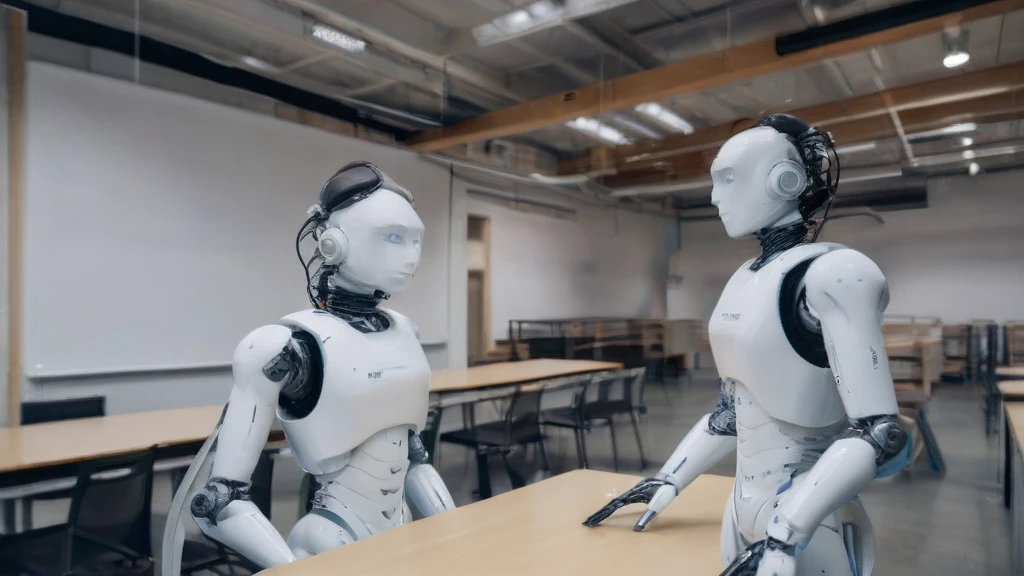
The humanoid robot training center in Shougang Park, Beijing, which had been operating as one of the first in China since March 2025, has ceased operations. According to local media, this was due to the withdrawal of Realman - a supplier of hardware and technology. This was not a failure of the project, but its restructuring. Shijingshan District explained that after the partner withdrew from phase I, the center is moving to a new phase: the development of 4D Gaussian light fields and world models. Instead of building more projects, the logic of operation is changing - from collecting data in controlled conditions to using it in real-world scenarios.
This is not the first case where a training center changes direction. In the past two years, many regions of China have invested in such facilities as part of an embodied intelligence development strategy. But building infrastructure is only the beginning. The key question is who will pay for the data in the long run - and whether this data will actually be useful.
In May of this year, Phase III of the center in Shijingshan gathered almost 270 robots and had an annual data production capacity of close to 20 million points. Initially, in March 2025, phase I was planned to produce over a million data points per year. This rate of development shows how intensively regions of China are investing in infrastructure for humanoid robots.
Data is not "land" - it is a tool.
 Enlarged imageClose zoomPrevious image
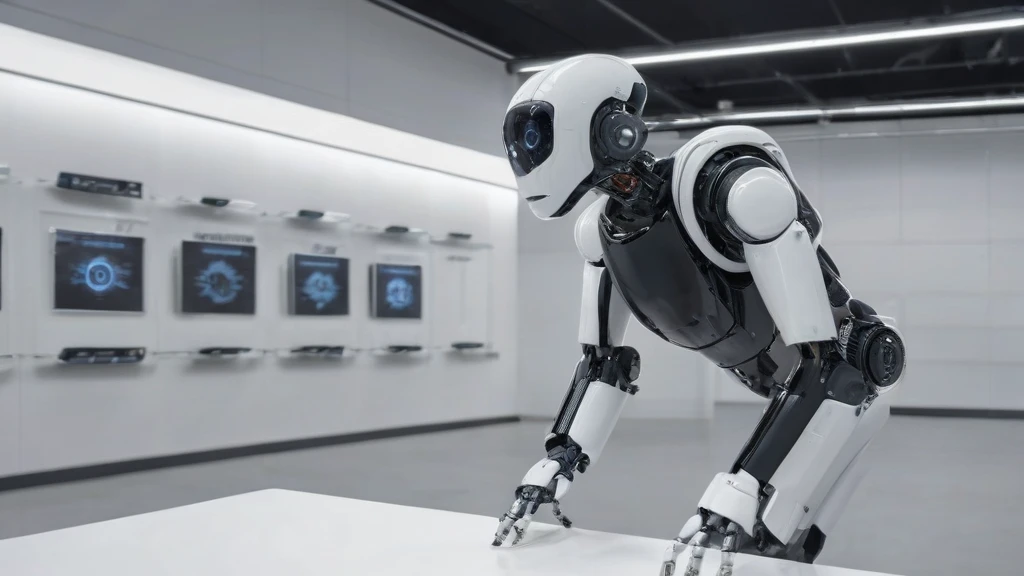
The previous logic was simple: the more data, the better. The center in Beijing was supposed to collect over 20 million data points per year, mainly from simulated scenarios - from household chores to electronics assembly. But as it turned out, data from stable laboratory conditions is difficult to use in the real world. Robots encounter changing lighting, uneven floors, unforeseen disturbances - situations that are not easy to simulate.
Realman understood this and changed its strategy. Instead of collecting data in controlled conditions, it now remotely operates robots in factories, warehouses, and homes. This works like a "closed loop": data is generated during actual work, immediately used to improve the model, and this in turn performs better in subsequent situations. This is no longer just about collecting data - it is continuous iteration.
Data from stable laboratory conditions is difficult to use in the real world, where there are changing lighting conditions, uneven floors and unforeseen disturbances. Realman argues that data from real-world operations in uncontrolled environments is more valuable for the model than data from stable laboratory conditions.
Who will pay for the data in the future?
 Enlarged imageClose zoomPrevious image
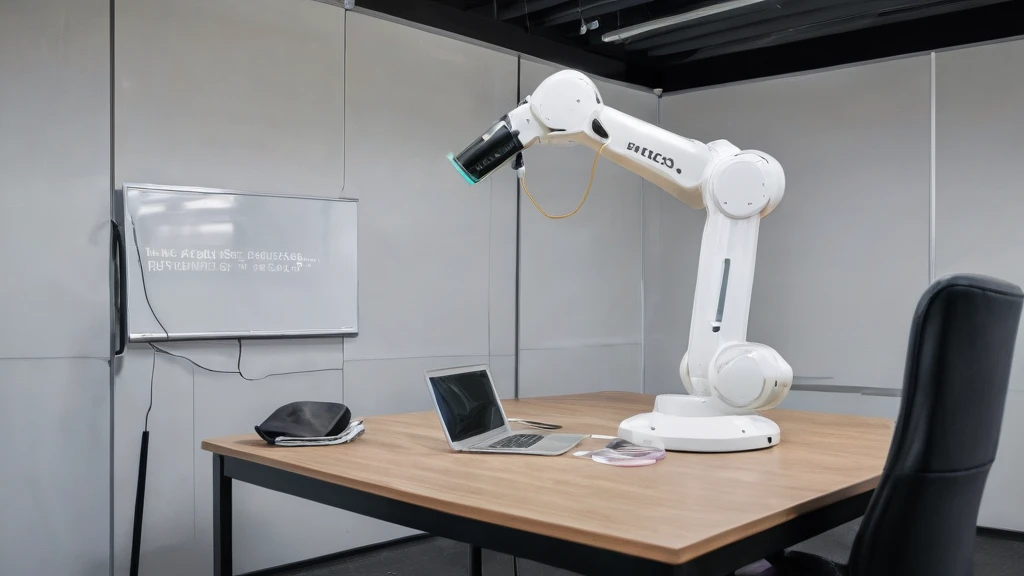
The problem is that data for humanoid robots has a strong "private domain" character. Each company uses different robot bodies, sensors, control systems and model architectures. Therefore, data from one system is difficult to use by another. This means that even if a training center collects millions of data points, the company may not be willing to buy them - if it does not bring direct improvement to the model.
Therefore, a conflict arises: local authorities want to build public centers as infrastructure supporting the development of the industry, and companies focus on whether the data is cost-effective and whether it will bring real value. This is not a contradiction - but a difference in goals. Therefore, the key question becomes: who will finance this cycle? Will it be the companies that use them, or the state as an investor in the future?
The value of data lies not in quantity, but in its usefulness. Therefore, the key question is: who will finance this cycle? Will it be the companies that use them, or the state as an investor in the future?
New era of data - from collection to application
This shows that the government understands that there is no single "correct" method. Data can come from simulations, videos, the internet or real-world operations - but its value depends on how it is used.
The future lies not in building more training centers, but in creating closed loops: scenario → data → model → improvement. This means that the center does not have to be "exactly the same" - it can change, as Beijing did. The key is that it operates in a way that meets the real needs of the model, and not just in accordance with the investment plan.
Realman argues that data from real-world operations in uncontrolled environments is more valuable for the model than data from stable laboratory conditions. This shows that the future lies not in the quantity of data, but in its quality and usefulness.
What does this mean for the future of robotics?
The closure of the training center in Beijing is not the end, but a turning point. It shows that building infrastructure without a clear funding and application model is a risk. But it also shows that the future lies not in the quantity of data, but in its quality and usefulness.
For companies - this is a challenge: they must think about data as a tool for developing the model, and not just as a cost. For governments - a new role: not building centers, but supporting integrated systems that connect data with real-world scenarios and applications. This is no longer "who pays for the ground of data" - it is "how to transform data into value".
This transformation shows that the future of robotics lies not in building ever-larger data centers, but in creating dynamic, integrated systems that combine real-world operating conditions with continuous improvement of models. The key is no longer who pays for the data, but how this data is used in practice - whether it translates into better decisions, faster responses and more reliable robot operations. For companies, this means a need to move from thinking about data as a cost to seeing it as a key to competitiveness. For governments - a new role: not building infrastructure, but supporting ecosystems that enable closed-loop data flows.