

Robots for sewing, sorting, and production processes. NexaRob - modern technology for your industry.
Robots for the Textile Industry
Automation in the textile industry!
Automation in the Textile Industry, Modern Solutions for a Dynamically Changing Market
Robots for the Textile Industry
The aerospace sector is one of the most advanced and demanding branches of industry, where both exceptional manufacturing quality and stringent safety standards are essential. Aircraft and aerospace components must meet strict requirements for materials, durability, and assembly precision. In this context, robotics and innovative automation systems play a key role in helping aerospace companies meet growing market expectations. NexaRob, working with global robotic technology suppliers, supports aerospace companies in integrating solutions that accelerate production, improve quality and safety, and help maintain competitiveness in an increasingly demanding environment.
Application Characteristics
Key Areas of Automation in the Textile Industry
Robots can support practically every phase of textile production, from fiber preparation through weaving, knitting, and finishing to packaging and transport of finished products. Below we present the key areas where automation delivers measurable benefits related to cost optimization, higher quality, and faster response to changing market trends:
-
Fiber and Blend Preparation: Precise dispensing and mixing of different fiber types, such as cotton, polyester and wool, makes it possible to achieve specified quality and strength parameters. Automating these processes helps minimize the risk of inconsistent raw material.
-
Automated Weaving, Knitting and Sewing: Advanced looms and knitting machines integrated with robots can maintain a consistent pace and precise placement of threads or fibers, improving repeatability and increasing production line throughput.
-
Finishing, Dyeing, and Fabric Printing: Intelligent systems enable uniform material coloring and precise pattern printing, which is crucial for fashion and technical products. Automated real-time quality control systems help detect defects or color deviations.
-
Logistics and Material Transport in Textile Plants: Mobile robots (AMR, AGV) improve the flow of material rolls, finished fabric rolls and sewing accessories, reducing errors and downtime caused by manual transport handling.
-
Packaging and Packing of Apparel Products: Advanced pick & place systems enable automatic folding, tagging, labeling, and packaging of textile products while preserving final appearance and quality.
- Quality Control and Complaint Handling: Integrated vision systems can detect weaving defects, discoloration or material irregularities during production, enabling early elimination and minimizing returns.
These solutions allow textile-sector companies to significantly improve production-line performance, enhance employee safety and reduce operating costs. Properly designed automation supports rapid responses to fashion trends, order personalization and the search for environmentally friendly solutions in an increasingly conscious market.
Key Benefits
Why Automation in the Textile Sector Enables Greater Competitiveness and Efficiency
Implementing robotic systems and innovative technologies in the textile industry can significantly improve production speed and quality while reducing costs and risks associated with manual processes. Below are six key advantages of automation in this sector:
-
Increased Productivity and Repeatability: Robots and automated machines can operate continuously while maintaining a consistent standard across every batch, leading to faster order fulfillment and reduced material waste.
-
Flexibility for a Changing Market: Thanks to the ability to quickly change line configuration, such as a different weave pattern, size, or color change in dyeing machines, textile companies can respond rapidly to fashion trends and customer demand.
-
Minimization of Errors and Deviations: Precise control during weaving, knitting, or cutting minimizes the likelihood of defects caused by human factors, improving overall product quality and reducing the number of complaints.
-
Improved Working Conditions and Safety: Replacing the most strenuous and repetitive tasks with robots positively affects staff ergonomics and safety, allowing employees to focus on more creative or demanding activities.
-
Cost Optimization: Reducing manual work in areas such as transport, packaging, and order preparation enables more efficient use of human resources and helps minimize errors that lead to material losses.
- Supporting Sustainable Production: Robotization of dyeing, printing, or fiber handling helps manage the amount of raw materials and utilities used, including energy, water, and dyes, which contributes to a smaller environmental footprint and greater alignment with sustainability trends.
Industries and Example Applications
Automation in the Textile Industry: Comprehensive Support at Every Stage of Production
Robotic solutions can accelerate and improve diverse processes in the textile sector, from processing textile raw materials and designing patterns to packaging and finished-goods logistics. Below are six key areas where automation provides significant benefits:
Fiber Preparation and Spinning
Automation covers preliminary processes related to cleaning, sorting, and combining different types of fibers, natural and synthetic, before spinning. Robots and machines supporting raw material dosing ensure consistency and significantly reduce waste.
Applications:
- Automatic mixing and weighing of different types of fibers.
- Robotic feeding and transport in the spinning process.
- Monitoring yarn quality, such as thickness and strength.
Benefits:
- Consistent raw material quality and stable yarn parameters.
- Reduced losses caused by accidental mixing of incorrect fibers.
- Increased efficiency and improved operator working conditions.
Weaving and Knitting
Weaving on looms and knitting on knitting machines require highly precise thread guidance. Robots and automated control systems enable synchronized movements and help maintain high-quality weaves and knits.
Applications:
- Robotic feeding of warp and weft yarns to looms and knitting machines.
Continuous replacement of yarn drums, reducing production downtime.
- Pattern inspection and repeatability across the entire fabric surface.
Benefits:
- Stable fabric structure free from defects caused by uneven thread tension.
- Faster switching between different machine patterns and configurations.
Higher efficiency and the ability to operate continuously.
Dyeing and Digital Printing
In fabric dyeing and pattern printing, accurate dye dosing and stable parameters such as temperature and pressure are essential. Robotic dosing systems and lines with automatic quality control enable repeatable color results.
Applications:
- Robots dispensing dyes and chemicals into dyeing vats.
- Automated digital printers handling multicolor patterns with rapid design changeovers.
- Real-time detection of discoloration using vision systems.
Benefits:
Uniform dyeing of the entire batch of material while limiting water and dye consumption.
- Rapid design changes, essential for short production runs and customization.
- Precise maintenance of shades and patterns, reducing the number of complaints.
Cutting and Garment Processing
The textile industry also requires rapid preparation of patterns and garment components. Automating the cutting of fabric or leather layers eliminates the need for manual layout and cutting, speeding up the process and reducing material waste.
Applications:
- Robotic cutting plotters that precisely cut shapes through multiple layers of fabric.
- Arranging cutting patterns to optimize material utilization.
- Automatic folding and packaging of cut components for further sewing.
Benefits:
- Fast and accurate cutting without the need for manual trimming.
- Fabric savings through specialized cutting layout algorithms.
- Reduction of human errors and improved work ergonomics.
Packaging and Labeling Finished Products
As order volumes and retail requirements increase, for example size labels or EAN codes, automation of packaging, folding and labeling becomes essential for meeting deadlines and maintaining aesthetic standards in finished products.
Applications:
- Pick & place robots for placing folded garments into bulk packaging.
- Labeling systems that print and apply stickers or sew in labels.
- Vision inspection confirming correct product labeling and proper packaging appearance.
Benefits:
Improved logistics through automatic sorting by size, color, or product series.
- Easier warehouse management thanks to consistent and clear product identification.
Faster handling of e-commerce and B2B orders.
Logistics and Transport of Textile Materials
Mobile robots (AMR/AGV) and conveyor lines in production halls help transport fabric rolls, bags of fiber, or finished packages, reducing the risk of errors and damage during manual handling operations.
Applications:
- Autonomous delivery of raw materials, such as bales, fibers, and dyes, to workstations.
- Automated warehouse operations, order sorting, and delivery route assignment.
- Continuous monitoring of inventory levels and availability of goods for further processing.
Benefits:
- Reduced production interruptions associated with manual goods handling.
- More efficient use of warehouse space.
- Greater staff safety and fewer instances of material damage during transport.
Precise and Versatile Support for Production Lines
Robots for the Textile Industry
Selecting the right automation systems in the textile industry depends on the specifics of the plant, the type of products manufactured, and the scale of operations. NexaRob works with recognized hardware and software suppliers to offer diverse robotic solutions adapted to spinning, weaving, material processing, dyeing, packaging, and logistics. Below are the most common types of robots used in textiles:
Articulated robots feature multi-axis motion, enabling them to work in varied and often confined production spaces. Their high flexibility and freedom of movement make them particularly effective in tasks involving irregular shapes or delicate textiles.
Advantages:
- Multi-axis kinematics enabling complex operations, such as partially automated sewing or handling non-standard fabric bundles.
- Easy retooling and adaptation to new tasks, such as changing grippers.
- Availability of models with different payload capacities, allowing both light and heavier rolls of material to be handled.
Applications:
- Arranging and sorting finished garments intended for further packaging.
- Automated application of additions such as buttons and labels to garment components.
- Precise handling and positioning of fabric components on sewing or pressing lines.
Example:
A clothing factory used articulated robots to support sewing pockets and buttons. This improved consistency in the positioning of details across thousands of garments within a short period.
Cartesian design provides movement along the X, Y, and Z axes, resulting in stable and repeatable operations. In the textile sector, these robots are often used in facilities for cutting flat materials and in pick & place areas where a precise trajectory within a limited workspace is important.
Advantages:
Easy integration with laser cutting, water cutting, or multilayer cutting plotter lines.
- Low design complexity, making maintenance and servicing easier.
- High positioning accuracy, useful in tasks requiring regular paths, such as pattern cutting.
Applications:
- Processing and trimming laid-out fabrics, for example for furniture manufacturing, curtains, and decorative products.
- Collecting and arranging cut pieces in preparation for further sewing.
- Sorting small clothing components, such as straps and trims.
Example:
A home-textile factory deployed Cartesian robots for automatic cutting of curtains and pillowcases, accelerating the finishing process and reducing defects caused by manual errors.
Cobots are robots designed to work safely alongside people. In the textile sector, they enable smooth cooperation in precise or delicate operations, especially where manual adjustment of fabric components or ongoing quality control is necessary.
Advantages:
- Built-in sensors and safety mechanisms enabling collaborative work with employees without the need for extensive safety fencing.
Easy programming, enabling rapid switching between different production tasks.
- Ergonomic design enabling operators and the robot to work simultaneously in the same zone.
Applications:
- Assistance with sewing and finishing details, such as attaching binding.
- Moving and folding products (for example, shirts and towels) in an automated way, with simultaneous tactile supervision by a human.
- Manual selection of delicate fabrics or additions such as lace and sequins, alongside robot-assisted handling during selected stages.
Example:
A small clothing manufacturer introduced cobots for folding and packing T-shirts into individual packages. An employee could assess quality and possible defects, while the robot took over burdensome, repetitive tasks.
In textile facilities, material logistics are essential. Large rolls, pallets of fabrics, and finished products must be transported efficiently between different sections. Autonomous mobile robots (AMR, AGV) help streamline this flow while minimizing human error and downtime.
Advantages:
- Autonomous navigation and route adaptation to a dynamically changing production hall environment.
- Integration with warehouse management systems (WMS), enabling real-time inventory control.
- Reduced forklift traffic, lowering the risk of accidents and material damage.
Applications:
- Delivery of textile raw materials, including rolls and bales, to processing and garment production workstations.
- Collecting finished products from the sewing line and transporting them to packaging or the shipping warehouse.
- Handling transshipment zones in large textile plants and logistics centers.
Example:
In a bedding factory, AMRs transport finished sets between the sewing area and packaging, automatically planning optimal routes and responding to changes in order execution sequence.
Specialized Robots for Composite Handling
Some textile products, such as silk, tulle, or lace, require exceptional care during processing. Specialized robots with delicate grippers enable safe transport and handling of even the most sensitive materials, preventing damage and ensuring high quality of finished products.
Advantages:
- Properly designed end effectors, such as low-suction vacuum tools, that minimize the risk of tearing fabrics.
Vision systems monitoring material alignment and tension help maintain smooth operation even with complex layers.
Reduced risk of material damage and improved overall product quality.
Applications:
- Handling layers of silk during the production of luxury clothing and lingerie.
- Precise placement of lace and embroidered elements on tailoring forms.
- Handling the initial stages of arranging delicate fabrics on cutting plotters.
Example:
A facility producing luxury lingerie used specialized robots with vacuum grippers to position lace precisely on layers of fabric. Automation reduced losses caused by damage and significantly accelerated manual work in subsequent production stages.
Professional Integration of Robotic Solutions and Comprehensive Technical Support for the Textile Industry
Integration and Support
Automation in the textile industry must take into account material diversity, dynamic production patterns, and growing market expectations regarding product personalization and quality. NexaRob provides full support, from initial needs analysis through robot design and installation to service and training, enabling textile companies to effectively use modern technologies.
Technology Implementation Process
- Analysis and Consultation: Our experts assess the current production scale, the types of products manufactured, and identified pain points, such as logistics bottlenecks or high material consumption. This allows us to create an automation concept that accounts for material specifics and the customer's business goals.
- Design and Simulations: Working with plant personnel, we develop a plan for production lines or individual workstations and then run simulations to verify the performance and compatibility of the virtual model with the realities of the textile production floor.
- Installation and Programming: The NexaRob team installs robots and integrates them with other machines (e.g. looms, cutting plotters, dyeing stations). The team then configures and calibrates the equipment, adapting parameters to the type of fabrics and quality requirements.
- Tests and Training: During testing, we evaluate the stability and performance of new systems and verify compliance with project assumptions. Once correct operation has been confirmed, we conduct training for operators, inspection teams, and employees responsible for maintenance.
- Support and Service: NexaRob provides ongoing service and potential system upgrades so customers can respond freely to changes in fashion trends, variable order volumes and the emergence of new fabrics and manufacturing technologies.
Main Support Services
- Regular Inspections and Maintenance: A service schedule minimizes the risk of unexpected failures and downtime, which is especially important during seasonal increases in demand for textile products.
- Modernization and Expansion: We help adapt lines to new collections, changes in product range, or increases in production scale, ensuring flexibility and the ability to introduce improvements quickly.
- Training and Courses: Our specialists organize educational sessions that prepare employees to operate robots effectively, keep them in good condition, and make minor programming adjustments.
- Remote Diagnostics: In the event of technical problems, remote access to the robotic system enables rapid identification of causes and troubleshooting without requiring long service visits.
Are you looking for modern solutions for textile plants that can shorten order fulfillment times, improve quality control, and reduce costs? Contact NexaRob - our experts will help select and implement optimal robotic systems for your company!
Frequently Asked Questions
Key Questions About Robotization in the Textile Industry
Want to learn how robotization can transform your textile plant? We have collected answers to the most important questions about automation in the textile industry, from weaving and cutting processes through logistics management to packaging and quality control. See below how modern technologies support the development of this industry.
Yes. Specialized solutions are available, including robots with grippers featuring adjustable clamping force or vacuum suction cups, allowing even very delicate materials to be handled without damage.
Robots and automated machines shorten line changeover times between projects, enabling short production runs or personalized variants. This allows companies to respond more quickly to changing fashion trends and customer orders.
In many cases, robots can be added to existing infrastructure, such as looms or cutting plotters, without requiring extensive changes. NexaRob helps develop the installation design to make maximum use of the facility's existing resources.
Cobots can work alongside people, which is useful where operator dexterity and supervision are required, such as adjustments during sewing or quality control. Ergonomics and safety improve, while staff can focus on more complex or creative tasks.
Yes. Precision cutting, dye dosing and reduced fabric losses result in lower resource consumption and less waste, supporting environmentally responsible production and better energy efficiency.
-
Mobile robots (AMR/AGV) can transport rolls of material, finished products, or accessories, relieving employees of monotonous tasks and reducing the risk of product damage during manual handling.
-
Many robotic solutions, especially cobots and compact mobile robots, are scalable and can be adapted for medium and small companies, helping them remain competitive and introduce new collections faster.
Yes. We provide comprehensive training so personnel can use new automation solutions effectively, covering operation, daily maintenance, and workplace safety principles.
This depends on the scale and complexity of the project, but in many cases, such as integrating a single machine, implementation can be completed within several weeks. Extensive projects involving modernization of an entire line may take several months.
NexaRob works with customers by offering various financing models (e.g. equipment leasing) and supporting them in obtaining funding or preparing grant applications. We also analyze investment profitability to demonstrate potential savings and payback time.

Do you have more questions about robotics in the textile industry? Visit our FAQ, where you will find additional information and practical guidance!
Why NexaRob?
Your Trusted Partner in Textile Industry Automation, Innovation, Efficiency and Flexibility
At NexaRob, we combine broad engineering knowledge with a passion for creating solutions that genuinely support manufacturers in the textile industry. We believe the future of the sector is based on a balanced combination of human experience and robotic capabilities. Our goal is to help textile companies develop coherent, efficient and flexible production lines that can meet growing market diversity and dynamic consumer trends.
- Experience in Integrating Textile Solutions: We have carried out automation projects across diverse areas of the textile industry, from synthetic fibers and home textiles to luxury clothing and technical fabrics. This gives us a strong understanding of challenges related to spinning, weaving, dyeing, and garment production.
- Flexibility and Scalability: The systems we provide can be easily adapted to changing product ranges and order volumes. When the market requires short production runs and frequent design changes, our solutions enable rapid line reconfiguration, reducing losses of time and material.
- Comprehensive Support: NexaRob provides not only robot implementation itself, but also equipment-selection consulting, staff training, and after-sales service. We take a comprehensive approach so clients can focus on developing their textile portfolio.
- Innovative Approach to Efficiency: We work with recognized manufacturers and start-ups specializing in robotics, AI, and vision systems to implement the latest technologies. This allows textile companies to use solutions that go beyond current market standards.
- Sustainable Production: Automation helps optimize the consumption of raw materials and energy while minimizing errors. In a sector where environmental and customer pressure is increasing, the solutions we offer help companies pursue social and environmental responsibility goals.
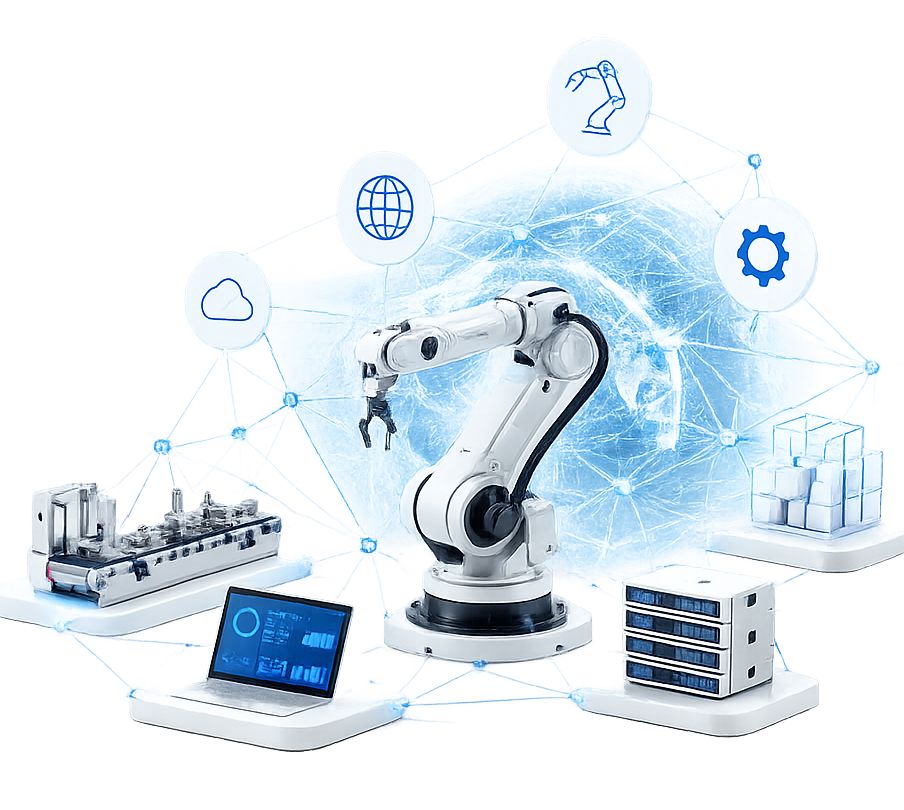
Would you like to learn more about how NexaRob can improve your textile manufacturing processes and contribute to the development of your brand? Contact us and we will present individual solutions tailored to your needs.
Automate Your Business with NexaRob - Contact Us!
Global Reach
We Operate Globally, Support Locally
NexaRob helps textile manufacturers from different regions of the world adapt production and logistics lines to growing requirements for quality, personalization and sustainable production. Thanks to a broad partner network and experience gained in different markets, we can introduce innovations both in small sewing facilities and in large factories specializing in mass production.
- Presence in Key Textile Regions: We support companies operating in regions including Asia, Europe and the Americas, where textile production represents an important part of the economy. We adapt our projects to local cultural, regulatory and infrastructure requirements.
- Compliance with International Standards: The textile industry is often subject to diverse standards, including environmental, safety, and quality requirements. The solutions provided through NexaRob take these standards into account, making certification and entry into global markets easier.
- Local Technical and Consulting Support: By working with service partners across multiple continents, we can respond quickly to customer needs, delivering support and keeping lines continuously ready for operation.
- Flexible Adaptation to Scale and Technology: Whether you need a minor improvement in garment packaging or are planning full automation of a high-quality materials factory, NexaRob offers scalable and personalized robotic systems.
- Knowledge Sharing and Best Practices: We operate in different countries and share experience in automation and robotics. This enables customers to adapt proven solutions developed in other markets and combine local practices with global trends
Are you looking for a partner to help introduce modern technologies into textile production and logistics, regardless of where you are in the world? Contact NexaRob - our knowledge and international experience will help you compete effectively in a global environment!

United States

China

Japan

Germany

India

United Kingdom

France

Italy

Canada

South Korea

Brazil

Australia

Spain

Mexico

Indonesia

Netherlands

Saudi Arabia

Turkey

Switzerland

Taiwan

Poland

Sweden

Belgium

Thailand

Ireland

Austria

Norway

Israel

United Arab Emirates

Argentina

South Africa

Denmark

Philippines

Singapore

Malaysia

Colombia

Bangladesh

Egypt

Chile

Finland

Vietnam

Portugal

Czech Republic

Romania

New Zealand

Peru

Greece

Ukraine

Slovakia

Hungary

Slovenia

Croatia

Serbia

Bulgaria

Estonia

Latvia

Lithuania

Iceland

Luxembourg

Malta

Cyprus

Morocco

Algeria

Tunisia

Nigeria

Kenya

Ethiopia

Ghana

Tanzania

Uganda

Angola

Senegal

Qatar

Kuwait

Oman

Pakistan

Sri Lanka

Nepal

Kazakhstan

Uzbekistan

Mongolia

Russia

Cambodia

Myanmar

Laos

Fiji

Papua New Guinea

Venezuela

Ecuador

Uruguay

Paraguay

Bolivia

Costa Rica

Panama

Dominican Republic

Guatemala

Cuba

Jordan

Lebanon

Iran
Additional countries in Europe
These countries are hidden in reader mode so that the map is not overcrowded. Click a country to open contact details, email and a description of the cooperation area.
Additional Countries in Asia
These countries are hidden in reader mode so that the map is not overcrowded. Click a country to open contact details, email and a description of the cooperation area.
Additional Countries in the Americas
These countries are hidden in reader mode so that the map is not overcrowded. Click a country to open contact details, email and a description of the cooperation area.
Additional Countries in Africa
These countries are hidden in reader mode so that the map is not overcrowded. Click a country to open contact details, email and a description of the cooperation area.
Additional Countries in Oceania
These countries are hidden in reader mode so that the map is not overcrowded. Click a country to open contact details, email and a description of the cooperation area.
Albania
Andorra
Belarus
Bosnia and Herzegovina
Montenegro
Liechtenstein
North Macedonia
Monaco
Moldova
San Marino
Afghanistan
Armenia
Azerbaijan
Bahrain
Bhutan
Brunei
Georgia
Iraq
Yemen
Kyrgyzstan
North Korea
Maldives
Syria
Tajikistan
Timor-Leste
Turkmenistan
Antigua and Barbuda
Bahamas
Barbados
Belize
Dominica
Grenada
Guyana
Haiti
Honduras
Jamaica
Nicaragua
Saint Kitts and Nevis
Saint Lucia
Saint Vincent and the Grenadines
El Salvador
Suriname
Trinidad and Tobago
Benin
Botswana
Burkina Faso
Burundi
Cabo Verde
Chad
Democratic Republic of the Congo
Djibouti
Eritrea
Eswatini
Gabon
Gambia
Guinea
Guinea-Bissau
Equatorial Guinea
Cameroon
Chambers
Congo
Lesotho
Liberia
Libya
Madagascar
Malawi
Mali
Mauritania
Mauritius
Mozambique
Namibia
Niger
Central African Republic
Rwanda
Seychelles
Sierra Leone
Somalia
Sudan
South Sudan
Togo
Ivory Coast
São Tomé and Príncipe
Zambia
Zimbabwe
Kiribati
Micronesia
Nauru
Palau
Samoa
Tonga
Tuvalu
Vanuatu
Marshall Islands
Solomon Islands
NexaRob
Would you like to become our Partner?
NexaRob passionately supports automation in the textile industry by seeking new ways to optimize production, introduce innovative designs, and improve textile product quality. To fully leverage the potential of robots, autonomous devices, and artificial intelligence, we seek partners who share our commitment to developing the future of the textile sector.
Why Work with NexaRob in the Textile Sector?
Joint Investments in Innovation
We join forces with sewing machine manufacturers, AI technology providers, companies offering drones for monitoring cotton crops and suppliers of specialized fabric printing solutions. Working together on projects that revolutionize the entire textile production cycle is our priority.
Synergy of Knowledge and Experience
Each partner contributes unique expertise and resources. Together, we develop projects that directly address the needs of modern textile factories, from raw material processing to automated packaging and garment preparation.
Global Contact Network and New Markets
NexaRob operates in international markets, enabling partners to develop across multiple regions and learn about the latest trends in the textile industry, including sustainable production and product personalization.
We Are Looking for Partners in the Following Areas:
- Textile Machinery and Specialist Equipment Manufacturing: Manufacturers of looms, cutting, sewing, or dyeing machines can enhance their offerings with intelligent control and robotics, increasing process efficiency.
- AI and IoT Technologies: Developers of data-analysis systems, such as energy consumption or material-defect detection, and intelligent sensors for monitoring yarn and fabric quality who are looking to integrate their technologies with robots and autonomous vehicles.
- Logistics and Packaging Solution Providers: Companies developing packaging, sorting and warehouse lines for the textile industry that want to implement vision inspection and robotics to increase product-handling efficiency and precision.
Let's Join Forces and Transform the Textile Industry Together with NexaRob
Contact us to learn the details of cooperation and jointly develop projects that can help achieve success in the dynamically changing textile market. Our partnership can support innovative solutions that increase productivity, promote environmentally responsible practices and improve working comfort in the textile sector.
Interesting Facts from Around the World
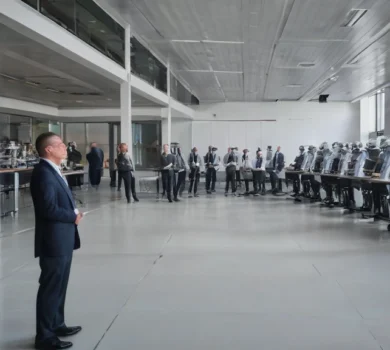
IRIM 2026 Seminar: How can robotics achieve seamless physical interaction with humans?
On October 21, 2026, the Institute for Robotics and Intelligent Machines will host a lecture.

DriveWorld3D: a new generative simulation for safe autonomous driving
The new DriveWorld3D system, developed by the Robostreet team in Cambridge, is designed to help create safer models
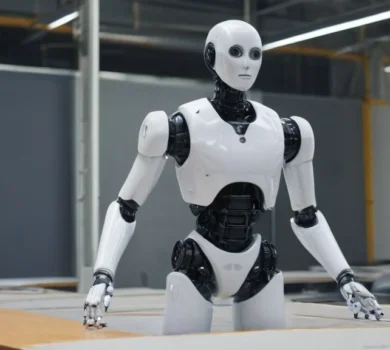
Microlocalization: precise positioning of mobile robots based on microscopic textures of the substrate.
Researchers have presented a new method for localizing mobile robots with an accuracy of tens of micrometers, using microscopic textures

Robotics as a space for creativity and diversity: experiences of researchers from the Oxford Robotics Institute
As part of the International Women in Engineering Day 2026, researchers from the Oxford Robotics Institute (ORI) shared

How does a solar-powered autonomous vessel decide on the most important places to investigate?
Researchers from academic institutions and other organizations have developed a new method for mission planning for autonomous ships