

Autonomous Agricultural Robots
The future of cultivation!
Agricultural Automation at a New Level
Precision Planting, Care and Harvesting
Autonomous Robots for Efficient Farms
Technology That Saves Time and Resources
Robotic Agriculture, More Efficient and Sustainable
Autonomous agricultural robots increase crop productivity while minimizing costs and resource consumption. With precise navigation and data-analysis systems, they support farmers in planting, fertilizing, and harvesting, contributing to sustainable food production.
Contact us Watch the videoThe Future of Crop and Livestock Production
Autonomous Agricultural Robots
Automation in agriculture is no longer limited to traditional agricultural machinery. The era of autonomous agricultural robots is approaching, supported by advanced artificial intelligence and capable of precisely managing soil, crops, and livestock on an unprecedented scale. For many farms around the world, especially those seeking to meet the challenges of efficient production while protecting the environment, this could represent a major step toward higher productivity and resource savings.
As part of its "Offer of Tomorrow," NexaRob presents a vision of future agriculture based on highly automated, largely independent systems. Although many of these technologies are still at the prototype or limited-testing stage, it is already worth examining the trends and planning potential implementations in your operations. We work with a global network of suppliers to provide technologies from trusted partners and share knowledge about upcoming solutions that may soon transform crop production and livestock farming processes.
Why is autonomy in agriculture so important?
- Savings and Precision: Robots can irrigate plants precisely, dose fertilizers or crop protection products, reducing waste and negative environmental impact.
- Response to Workforce Shortages: When seasonal workers are unavailable, robots can take over some tasks, relieving farmers during intensive periods of harvesting, planting, or crop care.
- Improved Product Quality: By precisely monitoring weather conditions and soil status, autonomous devices can minimize plant diseases and ensure stable growing conditions.
Application Potential
From Field Crops to Intelligent Livestock Farming
The vision of autonomous agriculture extends far beyond ordinary automated tractors. A variety of agricultural robot types are being developed for specific areas of farming, sometimes designed for large industrial fields and at other times tailored to smaller-scale organic production of vegetables or fruit. Here are examples of how these innovations may shape the future of the sector:
Precision Crop Care
Autonomous Field Vehicles: Self-propelled platforms capable of detecting weeds, irrigating soil where needed, or applying plant protection products precisely in selected areas.
Use of Cameras and AI: Built-in vision systems analyze plant condition and recognize disease symptoms or insects, allowing farmers to make faster decisions based on real-time data.
Animal Farming and Monitoring
Automated Feeding Systems: Robots can independently dispense feed to animals at scheduled times, while controlling the amount of food consumed and collecting data on herd health.
Biometric Sensors: GPS transmitters, smart collars and implants make it possible to track animal activity and vital parameters and respond to potential threats such as disease or herd escape.
Harvesting and Sorting Automation
Harvesting Delicate Crops: Robots capable of recognizing the ripeness of fruit and vegetables, such as strawberries and raspberries, and picking them without damaging the plant or the product, which can be challenging for seasonal workers.
Sorting by Quality: Thanks to image-processing algorithms, autonomous systems can sort crops by shape, size or color, quickly preparing them for sale.
Farm Infrastructure Management
Monitoring Field Conditions: The use of drones and ground vehicles that map terrain, creating 3D models that facilitate planning of agricultural treatments.
Farm Logistics: Robots transporting grain, fertilizers, or equipment between warehouses and fields significantly reduce employee workload and the need for conventional vehicles.
Although some of these solutions are still at the research stage or limited pilot deployment stage, it is worth considering the possibility of integrating autonomous robots into future farm development plans already today. NexaRob supports customers in analyzing available prototypes and models, helps prepare infrastructure and assess potential return on investment, while also enabling combined orders through a bulk purchasing model that can reduce costs.
Applications of Robotics in Agriculture
Impact of Autonomous Agricultural Robots on Efficiency and Sustainable Development
The use of robotics in agriculture goes beyond simple automation of traditional field work. It can have a real impact on transforming the entire sector toward more environmentally friendly practices and better resource optimization. Although some technologies are still at the prototype stage, the direction of research and implementation is clear: more precise use of production resources (water, fertilizers, feed), reduced crop losses and improved worker safety.
Precision Farming and Minimizing Environmental Impact
Reduced Use of Chemicals
Robots can detect specific areas of weed growth or plant disease and apply protective agents only where necessary. This reduces the total amount of pesticides and fertilizers introduced into the soil.
Water Savings
Using moisture sensors and intelligent irrigation planning, known as smart irrigation, autonomous agricultural systems irrigate soil only when it is most needed, reducing water waste.
Reducing Hazards and Increasing Safety
Safer Working Conditions
Heavy and hazardous tasks, such as handling chemicals or working in high temperatures for many hours, can be assigned to machines. This reduces the risk of accidents and occupational illnesses.
Monitoring and Alerts
Robots can continuously monitor fields and animals, generating automatic alerts in the event of anomalies (e.g. a sudden temperature drop in a poultry house or pests on a plantation), allowing rapid response before the problem escalates.
Better Production Management and Forecasting
Real-Time Data Collection
A network of sensors installed in machines enables continuous analysis of soil condition, weather conditions, and plant health. Combined with artificial-intelligence algorithms, the farm can plan sowing and harvest dates and select crop-protection measures much more effectively.
The Vision of Agriculture 4.0
By integrating robots, drones, satellite maps, and data management systems, a farm gains visibility into every stage of production. This helps minimize costs and makes it easier to implement certified, sustainable cultivation practices.
Improving Quality and Product Variety
Precise Sorting and Packaging
Robots can support the sorting of fruit or vegetables by size, color, or ripeness, enabling farmers to deliver more uniform and visually attractive product batches to market.
Specialized Crop Cultivation Capability
By automating demanding crop-care activities, farmers can consider cultivating more demanding plant species or deploying new technologies, such as hydroponics and vertical farming, on a larger scale.
Autonomous agricultural robots have the potential to significantly improve and transform the industry, not only in terms of production effectiveness but also in the pursuit of more environmentally responsible farming. For farms that already want to prepare for the coming era Agriculture 4.0 Automation, it is worth following the latest prototypes and considering cooperation opportunities so that innovative solutions can be fully used in the near future.
Challenges and Development
How to Prepare a Farm for Future Agricultural Solutions?
Although many autonomous machines and systems are still at early stages of development, steps can already be taken to make future deployment of these technologies easier. NexaRob, working with a global supplier network, suggests what should be considered in farm-modernization plans:
Infrastructure and Site Management
- Mapping and Analysis: Detailed field measurement, terrain mapping, and designation of zones, such as particularly dry or wetter areas, make it possible to create a plan in which robots move with maximum efficiency.
- Network Access and Connectivity: Many autonomous vehicles require a stable connection, such as LTE or Wi-Fi, for data transmission or software updates. It is worth considering the installation of access points across the farm.
Staff and Competencies
- Staff Training: As robots are introduced, the role of employees changes, from labor-intensive machine and plant operation to system management and monitoring. Training in software operation and basic technical troubleshooting will be essential.
- Cooperation with Advisors: Integration companies, including NexaRob, offer needs analysis and consulting to help select technologies that best match the specifics of a particular farm.
Data and System Security
- Cybersecurity Management: Autonomous agricultural devices process large volumes of information about crops and soil. To ensure operational continuity and protect against unauthorized access, it is worth investing in stable IT infrastructure and security procedures.
- Certifications and Standards: Even prototype systems should comply with local regulations and standards, for example regarding emissions, noise and user safety. This helps avoid unnecessary formal complications during later modernization or expansion.
Financial Plan and Search for Support
- Grant and Funding Programs: In some countries, funding for agricultural innovation may be available (e.g. EU funds, government programs). This can make investment in robots more accessible.
- Bulk Purchases: NexaRob coordinates joint equipment orders, making it possible to renegotiate prices with suppliers and offer more attractive terms even for smaller purchase volumes.
Preparing a farm for the future use of agricultural robots involves both technical aspects, such as infrastructure and connectivity, and organizational aspects, such as staff training and financial planning. These measures enable a smooth transition from a traditional approach to agriculture toward more automated, efficient, and sustainable food production model. NexaRob offers support at every stage of this process, from initial consultation to final machine integration
Sustainable Agriculture Through Robotics
Outlook for the Coming Years
Implementing autonomous agricultural robots can make a significant contribution to the development of farming focused on environmental protection and responsible resource management. Although many solutions are still at the prototype stage, growing interest in precision agriculture indicates dynamic development over the coming decade. It is already worth considering what innovations may emerge within a few years and how to prepare a farm to adopt them.
Minimizing Chemical Use
- Weed Detection: Autonomous systems that identify weeds and apply crop protection products only where weeds are present can reduce the total amount of herbicides used.
- Foundations of Regenerative Agriculture: Reduced pesticide load on soil supports biodiversity protection and improves long-term soil fertility.
CO₂ Emission Reduction
- Travel Optimization: Robots moving automatically across fields can significantly reduce the number of required machine passes, resulting in lower fuel consumption.
- Electrification Capability: In the future, electrically powered agricultural vehicles, for example powered by solar cells, may become more popular and reduce greenhouse gas emissions.
Better Soil and Water Management
- Precision Irrigation: Systems equipped with soil-moisture sensors and AI models plan crop irrigation according to actual needs, saving water and reducing erosion.
- Soil Composition Analysis: Drones and vehicles equipped with spectrometers can analyze soil mineral composition in real time, enabling more precise fertilizer management and helping avoid over-fertilization.
Support for Organic Farms
- Pest Spread Control: Using robots that identify pests at an early stage can reduce the use of crop protection products to an absolute minimum, which is essential in organic farming.
- Documentation and Traceability: Automatic systems documenting the cultivation process, such as sowing dates or fertilizer doses, make it easier to demonstrate organic certification and build customer trust.
Autonomous agricultural robots can not only increase productivity and reduce production costs, but also become a tool for operating farms in a more environmentally friendly way. With innovation advancing at a rapid pace, it is already possible to consider future deployments and prepare a long-term development plan aligned with sustainable agriculture.
NexaRob
NexaRob Support for Agricultural Robot Implementation and Maintenance
As with other areas of automation, purchasing an agricultural robot is only the first step. Comprehensive support is important, from consultation and planning through implementation and integration with existing infrastructure to long-term service care. By cooperating with a global network of suppliers, NexaRob offers various forms of support.
Needs Analysis and Technical Consulting
- Assessment of Field Conditions: Detailed mapping and assessment of soil parameters, crop characteristics and available infrastructure such as warehouses and water sources in order to select the appropriate robot type.
- Solution Selection: Presentation and discussion of prototypes and commercial models of autonomous agricultural machines, including potential costs and return on investment time.
Consulting on IoT Infrastructure and Connectivity
- Network and Connectivity: Ensuring suitable Internet coverage, including LTE, Wi-Fi, or networks such as LoRaWAN, or installing access points that allow robots to communicate with the farm-management system.
- Cybersecurity: Configuring devices in a way that protects sensitive data, such as the farm plan, work schedule and crop parameters.
Staff Training and Adaptation
- Operating Instructions: Introducing farmers and employees to the basics of operating, configuring, and maintaining agricultural robots helps maximize their capabilities.
- Change Management Support: Assistance in organizing work processes to effectively combine existing cultivation methods with new automation tools.
Service and Solution Expansion
- Bulk Purchasing Model: Acquiring robots through joint orders can provide financial benefits, especially when implementing several machines or larger projects.
- Continuous Updates and Development: Robot software can be updated, allowing new functions, integrations with additional sensors or artificial intelligence mechanisms to be added.
Service and Solution Expansion
- Trend Monitoring: NexaRob analyzes emerging prototypes and market innovations to propose flexible implementation plans for farms, both large industrial operations and family-run organic farms.
- Integration with a Broader Ecosystem: When needed, we help connect agricultural robots with other automation systems, such as storage and transport, further increasing efficiency and reducing labor costs.
NexaRob provides not only access to innovative equipment but, above all, a comprehensive approach to implementation on your farm. As a result, the transition toward Agriculture 4.0 becomes a carefully planned and safe process that takes into account both current requirements, as well as future the development potential of the agricultural sector.
Frequently Asked Questions
Key Questions About
autonomous agricultural robots.
Many farmers and investors wonder when and how to begin using autonomous agricultural robots and whether such an investment will actually be profitable. Below we provide answers to the most common questions to help explain the potential of this developing segment of the "Offer of Tomorrow."
Some devices are at the testing or limited pilot production stage, but several solutions are already available as finished products, such as automated irrigation systems or precision weeding vehicles. More prototypes appear every year, and growing interest is accelerating research and development.
Robots can relieve employees of the most difficult or repetitive tasks, reduce consumption of water, fertilizers, and crop protection products, and enable rapid response to diseases or pests. Ultimately, this translates into higher efficiency, resource savings, and environmental benefits.
Yes. Although some systems are designed for large industrial farms, smaller devices are also being developed, for example for organic farming, family farms, or greenhouses, enabling automation in limited spaces.
Many prototypes and devices operate independently, although some manufacturers offer systems compatible with standard tractors or transport platforms. NexaRob can advise on machine selection to effectively combine a traditional fleet with new automated equipment.
As with conventional machinery, inspections and access to service must be planned. NexaRob works with partners that provide spare parts and technical support, and in the event of problems offers remote assistance or organizes a service technician visit to the farm
Although agricultural robots use complex algorithms, the final user interfaces are often quite intuitive. If needed, NexaRob can provide training and workshops to prepare users for everyday operation of the equipment and simple repairs.
Precise application of fertilizers and water, along with targeted weed control, can significantly reduce chemical use. As a result, soil and groundwater are less exposed to contamination and biodiversity can increase. At the same time, automation reduces CO2 emissions by optimizing the number of vehicle passes.
It depends on farm size, crop type, and scale of operations. In general, improvements in efficiency and resource savings can accelerate payback, although exact calculations should be based on analysis of the specific case.
Probably not completely. Robots perform repetitive or dangerous tasks very well, but human creativity and supervision are still needed, particularly for management or decisions about changes in crop strategy
Simply contact us through the inquiry form or by phone and describe the main challenges and ideas related to developing your farm. We will help with the analysis and present the possibilities available through the Future Offer, including volume-purchase options and deployment support.

More questions?
Visit our FAQ section for detailed information, practical guidance and answers to frequently asked questions. If you need additional help, contact us. We will be happy to answer your questions!
Why NexaRob?
NexaRob combines an interdisciplinary approach to robotics with knowledge of the practical needs of farms. We believe that the agriculture of the future is not only about modern tools but also holistic vision, in which efficiency goes hand in hand with care for natural resources and the environment. Why work with us?
- Comprehensive Support We not only recommend prototypes or devices available on the market but also provide system integration, training, and service support. We adapt solutions to the specific conditions of a given farm, taking local environmental factors into account.
- Bulk Purchasing Model We propose organizing joint purchases of agricultural robots so even owners of smaller farms can benefit from economies of scale and reduce unit costs. We provide support with formalities and supplier negotiations, minimizing financial barriers to investment in the latest solutions.
- Flexible Approach and Global Reach As an integrator, we are not a machine manufacturer, so we can freely draw on solutions from multiple suppliers to find a configuration ideally suited to your requirements. We operate internationally, giving you access to experience and innovations developed in different parts of the world.
- Focus on Sustainable Development We support the development of technologies that optimize the use of water, pesticides, and fertilizers, contributing to environmental protection and biodiversity conservation. We promote regenerative agriculture, in which robots play a key role in precise control of cultivation processes.

Choose NexaRob to begin the journey toward an automated, sustainable and highly efficient farm. With the consulting services we provide, bulk purchasing models and our experience integrating robotics across various industries, your fields may soon become a place where innovation delivers tangible benefits.
Automate Your Business with NexaRob - Contact Us!
Agriculture 4.0 Around the World, NexaRob Across Different Regions of the Globe
We Operate Globally, Support Locally
The idea of autonomous agricultural solutions is flourishing in innovation centers around the world, from Silicon Valley in the United States through agricultural regions of Europe to rapidly developing countries in Asia and South America. Through active cooperation with different suppliers and partners, NexaRob operates at the intersection of technology and the real needs of farms under diverse geographical conditions.
- Presence in Key Agricultural Countries In highly mechanized markets, such as the USA or Australia, we support the deployment of the latest prototypes and R&D initiatives focused on large-scale plantations and increasing efficiency at industrial scale. In developing regions, where labor shortages or difficult climatic conditions prevail, agricultural robots can contribute to ensur
- Compliance with Different Regulations and Standards We help customers adapt planned implementations to local regulations relating to machine safety, emissions, and environmental protection. Together with partners, we provide certifications required in individual markets, facilitating legal and efficient robot use in every country.
- Supporting Local Service and Training Thanks to our partner network, we can provide local technical support and equipment training, which is important for maintaining continuity of field operations. We conduct webinars and workshops in different languages, sharing knowledge and experience from numerous implementations and prototype projects.
- Adaptation to Diverse Growing Conditions Every climate zone and soil type has its own conditions, from desert regions with limited water availability to humid tropical forests. NexaRob adapts its recommendations for machines and systems so they can make the best use of available technology and infrastructure. We also organize "bulk order pools" for specific crop types or implementations, allowing farms in different parts of the world to share the costs and benefits of joint purchasing.
Does your farm or network of farms operate in Europe, the Americas, Asia or another region of the world?
NexaRob helps apply global automation knowledge locally in ways adapted to operating conditions and legal requirements. This allows even smaller farms to gain advantages from solutions developed in leading research centers around the world.

United States

China

Japan

Germany

India

United Kingdom

France

Italy

Canada

South Korea

Brazil

Australia

Spain

Mexico

Indonesia

Netherlands

Saudi Arabia

Turkey

Switzerland

Taiwan

Poland

Sweden

Belgium

Thailand

Ireland

Austria

Norway

Israel

United Arab Emirates

Argentina

South Africa

Denmark

Philippines

Singapore

Malaysia

Colombia

Bangladesh

Egypt

Chile

Finland

Vietnam

Portugal

Czech Republic

Romania

New Zealand

Peru

Greece

Ukraine

Slovakia

Hungary

Slovenia

Croatia

Serbia

Bulgaria

Estonia

Latvia

Lithuania

Iceland

Luxembourg

Malta

Cyprus

Morocco

Algeria

Tunisia

Nigeria

Kenya

Ethiopia

Ghana

Tanzania

Uganda

Angola

Senegal

Qatar

Kuwait

Oman

Pakistan

Sri Lanka

Nepal

Kazakhstan

Uzbekistan

Mongolia

Russia

Cambodia

Myanmar

Laos

Fiji

Papua New Guinea

Venezuela

Ecuador

Uruguay

Paraguay

Bolivia

Costa Rica

Panama

Dominican Republic

Guatemala

Cuba

Jordan

Lebanon

Iran
Additional countries in Europe
These countries are hidden in reader mode so that the map is not overcrowded. Click a country to open contact details, email and a description of the cooperation area.
Additional Countries in Asia
These countries are hidden in reader mode so that the map is not overcrowded. Click a country to open contact details, email and a description of the cooperation area.
Additional Countries in the Americas
These countries are hidden in reader mode so that the map is not overcrowded. Click a country to open contact details, email and a description of the cooperation area.
Additional Countries in Africa
These countries are hidden in reader mode so that the map is not overcrowded. Click a country to open contact details, email and a description of the cooperation area.
Additional Countries in Oceania
These countries are hidden in reader mode so that the map is not overcrowded. Click a country to open contact details, email and a description of the cooperation area.
Albania
Andorra
Belarus
Bosnia and Herzegovina
Montenegro
Liechtenstein
North Macedonia
Monaco
Moldova
San Marino
Afghanistan
Armenia
Azerbaijan
Bahrain
Bhutan
Brunei
Georgia
Iraq
Yemen
Kyrgyzstan
North Korea
Maldives
Syria
Tajikistan
Timor-Leste
Turkmenistan
Antigua and Barbuda
Bahamas
Barbados
Belize
Dominica
Grenada
Guyana
Haiti
Honduras
Jamaica
Nicaragua
Saint Kitts and Nevis
Saint Lucia
Saint Vincent and the Grenadines
El Salvador
Suriname
Trinidad and Tobago
Benin
Botswana
Burkina Faso
Burundi
Cabo Verde
Chad
Democratic Republic of the Congo
Djibouti
Eritrea
Eswatini
Gabon
Gambia
Guinea
Guinea-Bissau
Equatorial Guinea
Cameroon
Chambers
Congo
Lesotho
Liberia
Libya
Madagascar
Malawi
Mali
Mauritania
Mauritius
Mozambique
Namibia
Niger
Central African Republic
Rwanda
Seychelles
Sierra Leone
Somalia
Sudan
South Sudan
Togo
Ivory Coast
São Tomé and Príncipe
Zambia
Zimbabwe
Kiribati
Micronesia
Nauru
Palau
Samoa
Tonga
Tuvalu
Vanuatu
Marshall Islands
Solomon Islands
Together Let Us Create the Agriculture of the Future
Would you like to become our Partner?
NexaRob invites anyone who recognizes the value and opportunities created by autonomous agricultural robots to collaborate, whether we are talking about large agricultural enterprises, family farms, consulting companies, or research institutes. Our goal is to jointly create an Agriculture 4.0 ecosystem in which robotic technologies, artificial intelligence, and IoT systems work together to improve efficiency, sustainability, and food security worldwide.
Why Work with NexaRob?
Joint Investments in Innovation
We organize pooled bulk purchases, allowing participants to benefit from economies of scale and better rates from suppliers of prototype and commercial solutions.
We advise on obtaining grants and funding that support agricultural automation projects, accelerating development and minimizing financial barriers.
Synergy of Knowledge and Experience
We work with experts in vision systems, vehicle autonomy, IoT data management, and agricultural solutions dedicated to specific crop types.
This makes it possible to combine diverse technologies into coherent, efficient projects that address the real needs of the agricultural sector.
Global Contact Network and New Markets
We facilitate access to advanced prototypes created in different regions of the world while helping adapt them to local regulations or specific soil and climate conditions.
For companies and start-ups developing innovative agricultural robots, NexaRob can serve as a bridge to a broader customer base and implementation infrastructure.
Who Are We Looking For?
- Robot Production and Design: Companies developing prototypes of field vehicles, fruit-harvesting grippers, or AI-controlled irrigation systems that are interested in testing and commercialization.
- Research and Development: Scientific institutions, universities and R&D centers seeking to develop agricultural automation concepts and then introduce them into real farms.
- Distributors and Integrators: Companies or groups of farmers interested in combining orders or advising others on local implementation of autonomous systems.
Let's Join Forces
Want to learn more about how agricultural robots can transform your farm, consulting company, or research institution? Contact NexaRob and let us build an ecosystem of versatile and sustainable solutions that can become a foundation of agriculture in the coming decades. We believe the agriculture of the future can be not only more efficient, but also environmentally friendly, with autonomous robots becoming a key part of this transformation!
Interesting Facts from Around the World

Autonomous needle insertion in a CT scanner chamber with breath control.
The system for integrating respiratory sensors and secure control enables autonomous needle injection in the CT scanner chamber.
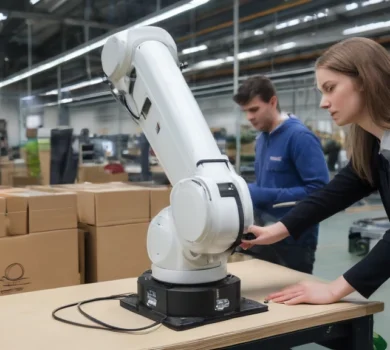
Swedish startup 120ft has built the first microfactories with humanoid robots.
Swedish startup 120ft emerged from stealth after raising €576,000 in angel investments.

How robots learn to improve in real time through critiques and residual flows.
A new approach to robotics, based on residual flow and level-of-detail criticism, has achieved a 66% success rate.
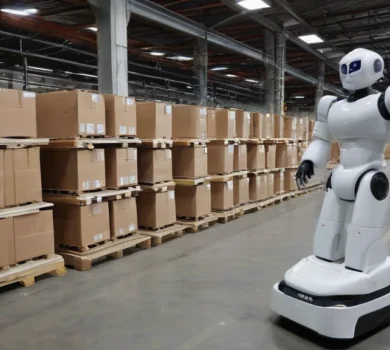
Teradyne Robotics and Sereact have implemented physical AI in Zalando’s logistics centers.
At Zalando’s logistics centers in Greven and Świebodzin, collaborative robots working with the Sereact Cortex platform operate automatically.
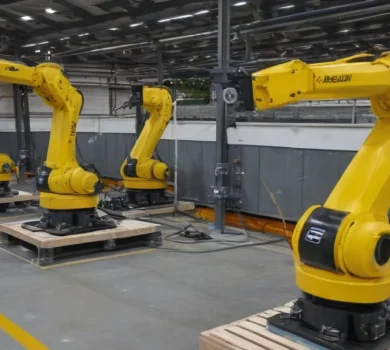
Full traceability in production thanks to robots and system integration
Atmus Filtration has implemented a modern robotic system for assembly and inspection, which ensures complete product traceability.