
A new approach to contact assembly at a building scale
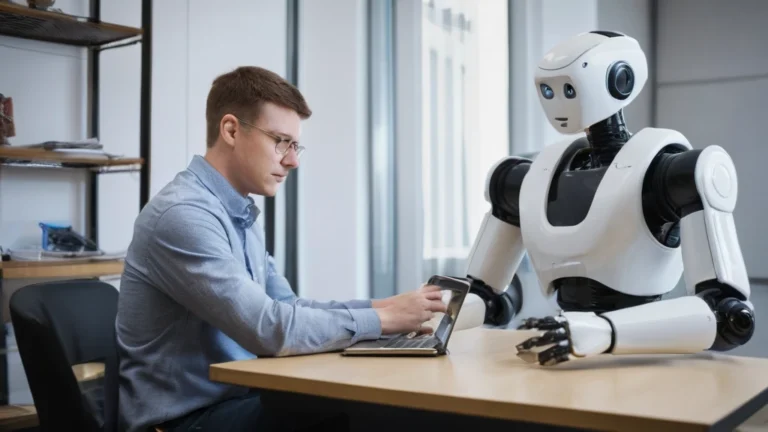
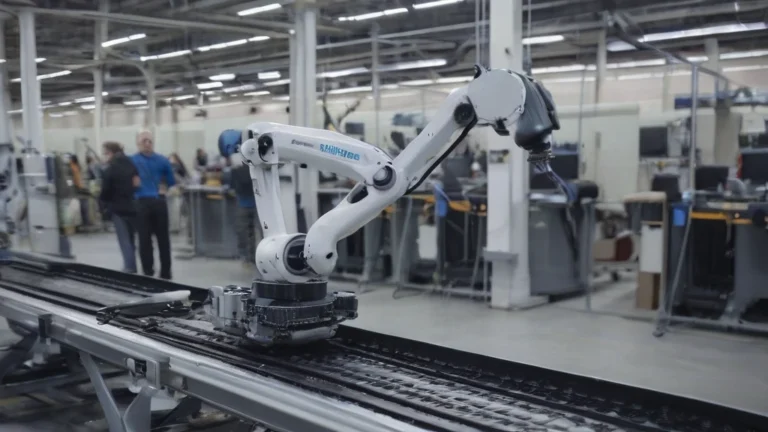
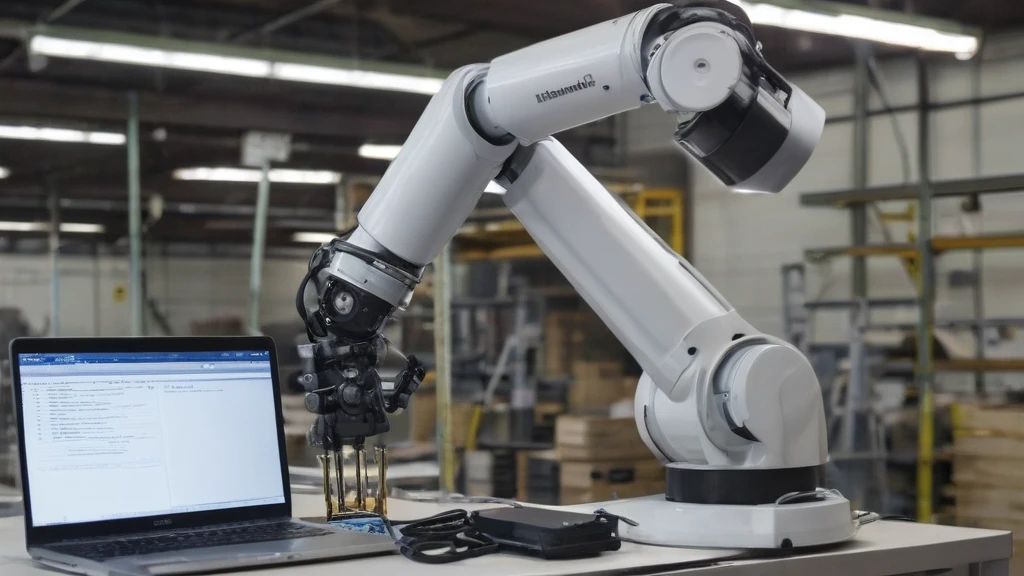
The IRIM Fall 2026 seminar, which will be held on October 7, 2026 in Klaus 1116 E&W at the Georgia Institute of Technology, focuses on solutions for one of the biggest challenges in construction robotics: contact assembly. High accuracy requirements and difficulties related to uncertainties in element geometry, variability in material properties, or limited observation of large components mean that even small deviations can prevent assembly or cause damage.
The presentation discusses three key approaches: adaptive control, which compensates for discrepancies between the model and reality; learned sensorimotor policies, which allow dealing with complex interactions with small tolerances; and a hybrid approach combining both. This approach aims to enable skill transfer between tasks without the need for real demonstrations, which is crucial for the scalability of solutions in real-world construction conditions.
Applications and limitations in practice
Research conducted at a building scale shows that new methods can significantly improve assembly accuracy even with large uncertainties. However, the presentation emphasizes that there are still significant limitations. In particular, it is difficult to generalize solutions between different materials or element geometries. Transferring skills between tasks without additional data from the real environment remains a challenge, and extending methods to longer assembly sequences requires further research.
The results indicate that although the technology is already capable of handling individual assembly stages, its full integration into construction processes requires the development of new tools for modeling uncertainty and adaptation in real time. This means that although development is dynamic, practical implementations will only be possible after further experiments and tests.
The future of robotics in construction: from prototypes to real-world projects
The presentation concludes with a discussion of the open challenges that will determine the future of this field. In particular, it emphasized the need to generalize solutions between different material systems and geometries, which is crucial for scalability. Also, transferring skills between tasks without the need for real demonstrations - so-called zero-shot sim-to-real transfer - is one of the most important research goals.
In the long term, the development of such systems can contribute to creating more resilient, durable and low-emission infrastructure. Research conducted by Dr. Arash Adel in his research group at Princeton University shows that robotics not only supports efficiency, but can also influence construction culture - the participation of people and robots in design processes can lead to more inclusive and equitable solutions.
In the long term, the development of such systems can contribute to creating more resilient, durable and low-emission infrastructure. Research conducted by a researcher from Princeton University in the field of Robotics in additive manufacturing shows that automation technologies not only support process efficiency, but can also influence design and construction culture - human-machine collaboration can lead to more inclusive and equitable solutions.
Why is this important for the future of construction?
The growing need to build infrastructure while simultaneously limiting the availability of labor means that robotics is becoming not only a tool, but a necessity. Robotic assembly can reduce the physical burden on workers, increase precision and open up new architectural possibilities. However, its effectiveness depends on the ability of systems to cope with the uncertainties of the real environment.
The IRIM 2026 presentation shows that development is no longer just about building more precise robots, but about creating intelligent systems that learn and adapt. This changes the approach to design - from static procedures to dynamic, autonomous processes. For technology integrators such as NexaRob, this means the need to build flexible solutions that can operate in conditions of uncertainty and changing requirements.