
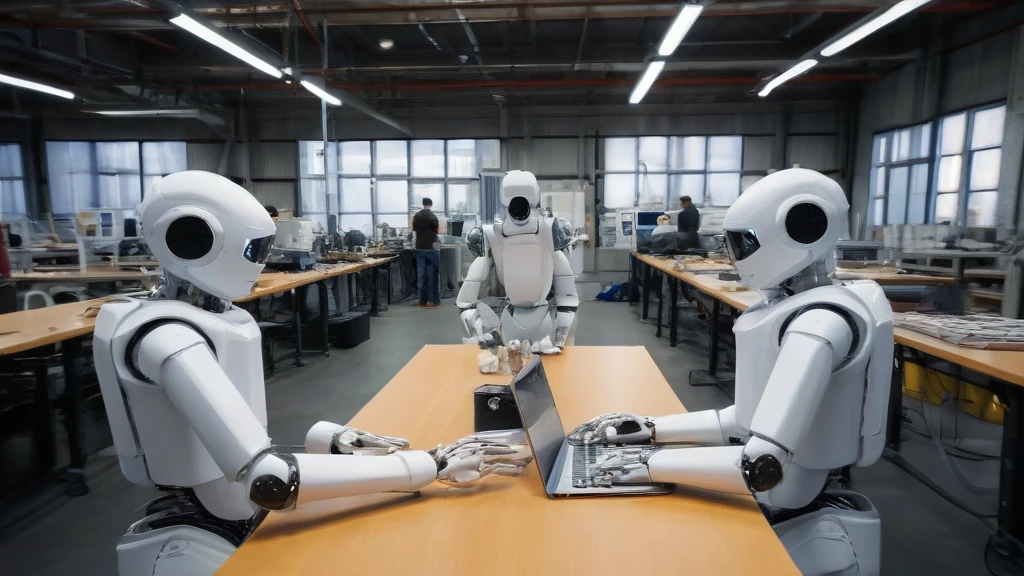
Robotics is not only for large industries.
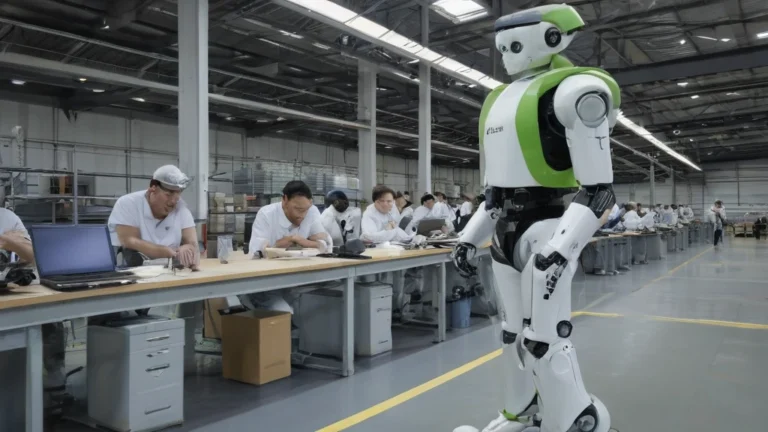
Modern robotics is no longer limited to large production halls. According to data from the International Federation of Robotics (IFR), this technology is becoming an increasingly important tool in various industries - from logistics to manufacturing. Its main advantages are improved efficiency, productivity and safety at workstations. This is not just a trend, but a real need, especially where there is a shortage of employees or labor costs are rising faster than revenues.
Many regions of the world are experiencing severe labor shortages, while at the same time there is increasing pressure to deliver more products in smaller batches. Under these conditions, automation is no longer an option for elites - it becomes a necessity for survival and competitiveness.
Small businesses do not have to invest in full automation.
Many small and medium-sized enterprises (SMEs) doubt whether robotics is suitable for their situation. They are concerned about high costs, complicated installations and difficulties in maintaining the system. However, the IFR emphasizes that they do not have to invest in full automation - partial, scalable development is sufficient.
Small-scale automation can already bring real benefits today: increased efficiency, reduced human errors and relief for employees. Such solutions do not require huge investments, and their effects are visible after just a few months. This is especially important in the context of global competition and rising customer expectations.
The go4robotics campaign supports the path to automation.
To help companies overcome these concerns, the IFR has launched the go4robotics campaign. Its goal is to provide practical information, articles, white papers and e-books for entrepreneurs who want to understand how robotics can work in their specific environment.
The campaign does not promote one type of robot or solution - it offers broad access to expertise, trends and use cases. This is not just a marketing campaign, but a real step towards the democratization of technology that can help even the smallest companies increase their efficiency without having to invest in complex systems.
Robotics is not only for large industries.
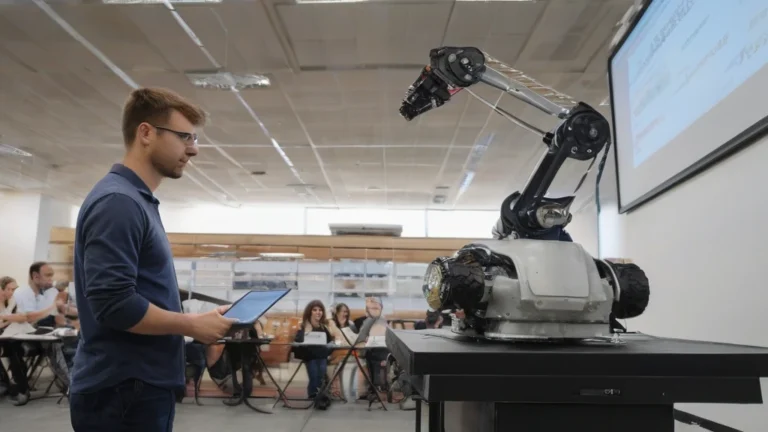
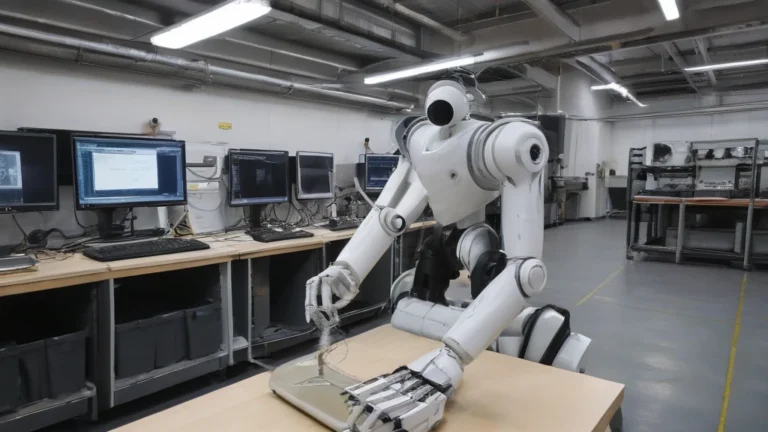
It is worth emphasizing that automation does not require small businesses to switch to a fully automated factory. Many companies start with simple solutions - such as collaborative robots (cobots) mounted on tables, which assist employees in repetitive tasks, e.g. during assembly, packaging or quality control. Such systems are easy to install, do not require infrastructure changes and can be easily moved between production lines. Thanks to this, the company can test the effects of automation on a small scale, assess the benefits and only then expand the investment.
Furthermore, the development of technology has made modern robotic systems increasingly intuitive. Many of them operate through simple interaction - e.g., by touch or hand gesture - which eliminates the need for specialized technical knowledge. This means that even employees without programming experience can quickly learn to operate robots, reducing the barrier to entry and accelerating the digitization process. In the context of global challenges - such as shrinking labor pools and increasing customer expectations - such solutions are becoming not only beneficial but also necessary to maintain competitiveness in the market.