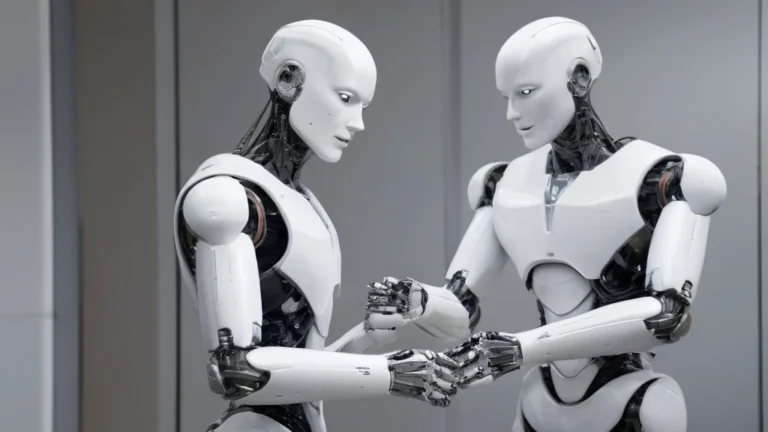

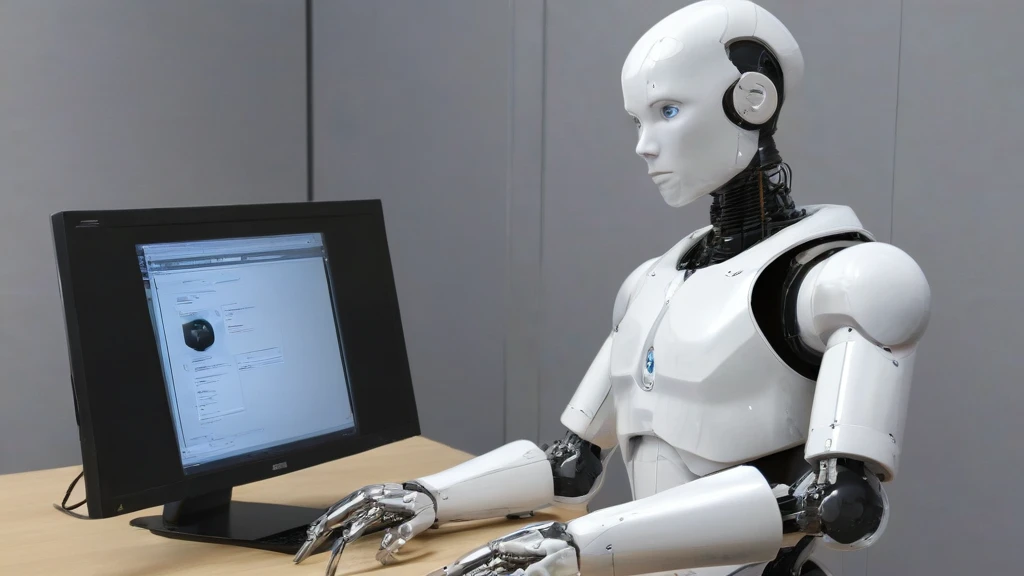
A new era of intelligence: robots not only perform but also think.
At the World Robot Conference 2026, KEENON Robotics presented KOM 3.0 - a new generation of AI architecture for service robots. This is not just another software update, but a breakthrough in the approach to robotic intelligence. Instead of acting on a trial-and-error basis, the new architecture allows robots to predict the consequences of their actions before performing them. This is a key change - from reactivity to proactivity.
KOM 3.0 is the world's first VLA (Vision-Language-Action) architecture for the service industry, which integrates a world model in latent space. Thanks to this, the robot can not only see its surroundings but also internally simulate its physical principles - how objects move under the influence of forces, how their positions change after being touched or moved. This allows it to "think" before acting.
According to KEENON, KOM 3.0 is the world's first VLA architecture for the service industry that integrates a world model in latent space. This feature enables robots to internally simulate the physical consequences of actions before performing them, allowing them to predict the movement of objects under the influence of forces and reason through causal chains in multi-step operations. The latent space mechanism allows robots to make predictions based on the basic physical principles of objects and actions, while reducing the impact of irrelevant visual details and visual noise.
Demonstrations in practice: from coffee to a store.
 Enlarged imageClose zoomPrevious image
At the KEENON booth, a "community with a body" was created - four real-world service scenarios: laundry, cafe, dessert shop and retail store. In each of them, robots operated without teleoperation, performing tasks from start to finish. The XMAN-R1, as a "specially appointed barista," independently took out the cup, pressed the buttons and extracted the coffee.
In the dessert shop, robots used visual perception and dynamic decision-making to precisely grasp and deliver products. In the laundry, two humanoids cooperated under a single management system, performing a complex process: sorting, washing and folding clothes. All this without human intervention during operation - only at the stage of setting the goal.
As part of the KOM 3.0 demonstration, robots were able to perform long-horizon tasks without teleoperation. The robots autonomously completed defined multi-step tasks from start to finish, without operator intervention. This confirms the system's ability to plan and execute complex operations in real conditions.
Collaboration between robots: general purpose and specialized.
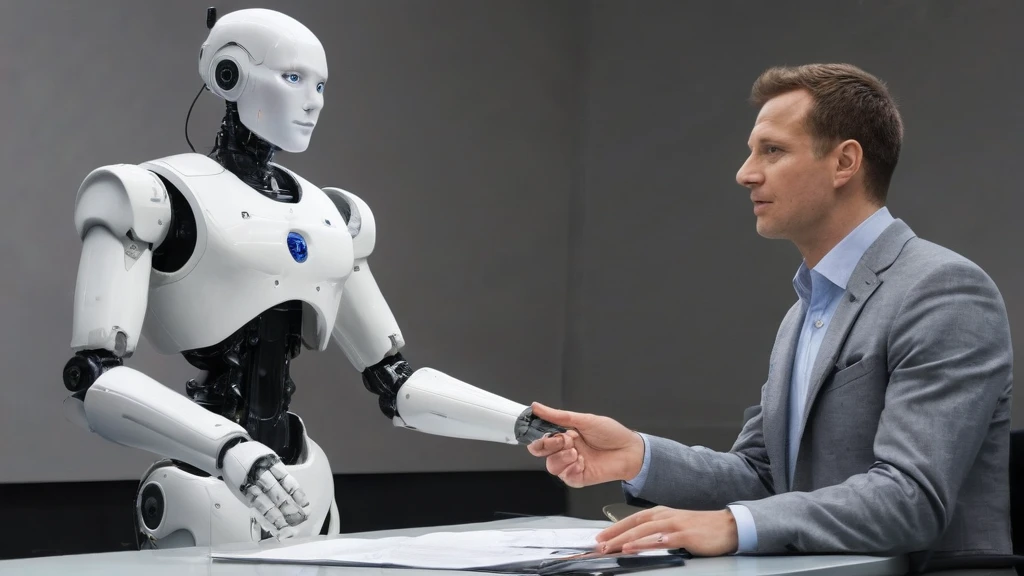
KOM 3.0 does not operate in a single device - it is a platform that supports collaboration. Humanoid robots, capable of complex manipulation and interaction with humans, work together with specialized robots: T10 for deliveries and C40 for cleaning.
Within a single scenario, humanoid robots were responsible for decisions and complex operations, while specialized robots performed repetitive tasks. All under a common management system - which allows for scaling solutions in real-world working conditions.
General-purpose humanoid robots work alongside specialized robots, such as delivery and cleaning robots, under a unified scheduling platform. Humanoids handle complex manipulation and human-robot interaction, while specialized robots take on standardized execution tasks. Together, they complete an integrated service workflow.
Is this already the future? Context and limitations.
The presented solutions are a demonstration, not a mass deployment. There is no information about specific companies that have started using KOM 3.0 on a production scale. Everything takes place at a conference booth and under controlled conditions.
Although KEENON states that this is the first VLA architecture for the service industry with a world model in latent space, there are no independent confirmations of this fact. All claims are company declarations. Therefore, KOM 3.0 is an important technological step, but its real scale in the real world remains uncertain.
In the context of actual application of KOM 3.0, it is worth emphasizing that although the demonstrations at WRC 2026 were convincing, their scale and conditions are limited to a conference booth. The lack of information about deployment in real production or commercial environments means that the technology remains at the experimental stage. However, its potential is obvious: thanks to the ability to predict the physical consequences of actions, robots can avoid errors earlier than ever before, which increases not only efficiency but also safety in interaction with humans. This is a key step towards full autonomy in services, where it is not possible.