

The development of collaborative robots in the context of labor shortages
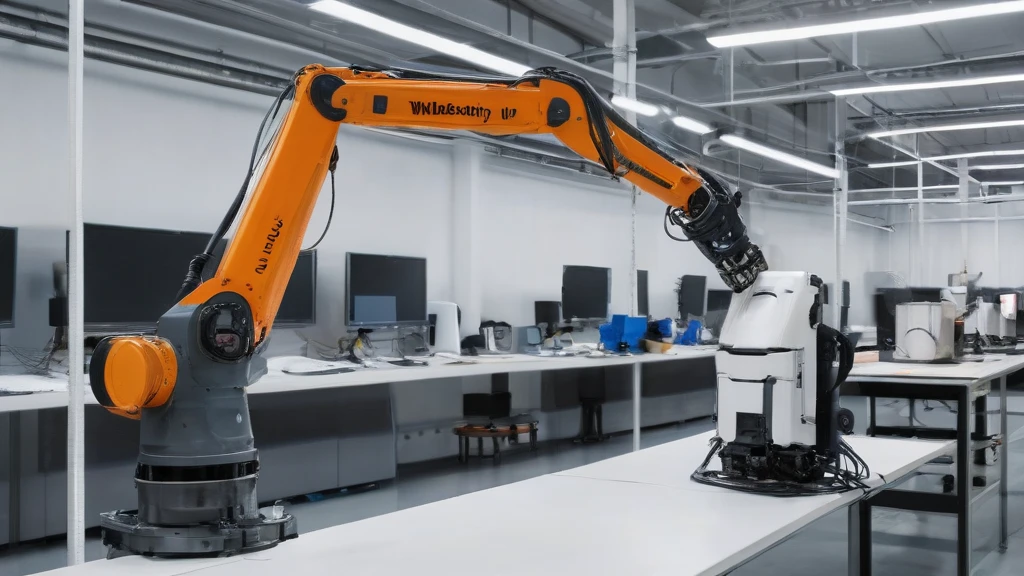
In an era of global labor shortages and changing production needs, collaborative robots (cobots) are beginning to play a key role in industry. In 2023, they accounted for 10.5% of all installed units. industrial robots - which means over 56 thousand units worldwide. Their growing popularity is not accidental: they are easy to deploy, do not require specialized programming skills and can operate without additional safety barriers, allowing them to be integrated directly into existing production lines.
Many companies in low-volume industries - such as electronics, pharmaceuticals or logistics - use cobots for machine tending, bin picking or packaging operations. In this context, their flexibility and speed in adapting to changing tasks become a major advantage. This means that there is no need to build new safety zones or carry out lengthy training processes.
Collaboration mechanisms: how robots work without barriers
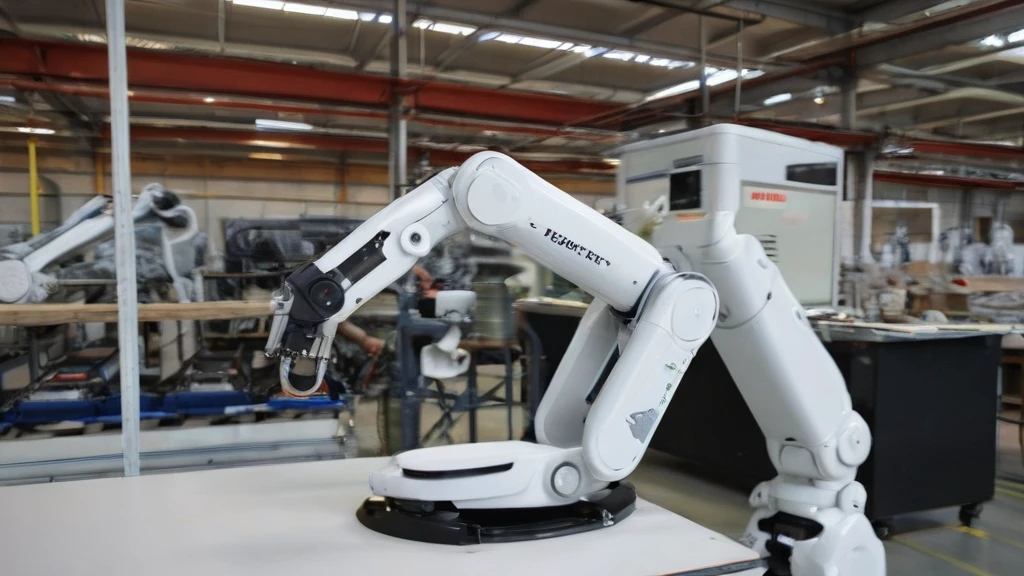
A key feature of collaborative robots is their ability to operate safely in close proximity to humans. They do not require traditional safety fences, which allows them to be integrated into existing production spaces without the need for hall reconstruction. This is possible thanks to built-in safety systems - such as motion sensors, force limiters and contact detection - which automatically stop the robot in case of close proximity to a human.
Programming these devices is much simpler than with traditional industrial robots. They can be "taught" by manual guidance - so-called "lead-through teach" - or through tablet interfaces. This approach means that they are not limited to companies with large engineering teams and can be used even in small enterprises.
 Enlarged imageClose zoomPrevious image
Limitations and areas where cobots are not suitable
Although collaborative robots offer many advantages, their application has limitations. They are not designed for processes requiring high loads or speeds - which is due to their light construction and technical limitations. In the case of tasks such as heavy machining, fast assembly production or high-power industrial welding, traditional industrial robots still dominate.
In these situations, conventional robots can be equipped with external safety features - such as laser scanners or safety barriers - which allows them to operate faster and more efficiently, but requires additional investment and space. Therefore, the choice between a cobot and a traditional robot depends on the specific application, not just on cost.
The future of collaboration: AI, vision, and learning
The development of vision technologies, artificial intelligence, and machine learning opens up new possibilities for collaborative robots. In the future, they will be able to automatically adapt to changing conditions in the production hall - for example, recognize different details, react to unforeseen situations, or learn new tasks without the need for complete reprogramming.
This may lead to the development of new applications - from precise assembly and painting to material processing under changing parameters. However, these innovations are still in the development phase, and their real application in mass production requires further testing and verification.
The future of collaboration between humans and collaborative robots will be increasingly based on advanced vision systems and artificial intelligence, which will allow them not only to perform pre-programmed tasks but also to make decisions in real time. Thanks to image recognition technology, robots will be able to automatically identify various details, adapt to changing production conditions, and even learn new activities through example - without the need for complete reprogramming. This opens the way for more flexible production lines, especially in industries with high variability, such as electronics or pharmaceuticals, where rapid adaptation is key.
At the same time, the development of these solutions requires further research and testing under real-world conditions to ensure not only effectiveness but also safety and reliability in long-term use. In the future, collaborative robots may become an integral part of the digital transformation of industry - not as a replacement for humans, but as partners supporting them in repetitive, precise, or physically demanding tasks. Their growing role highlights that the future of production is not...