

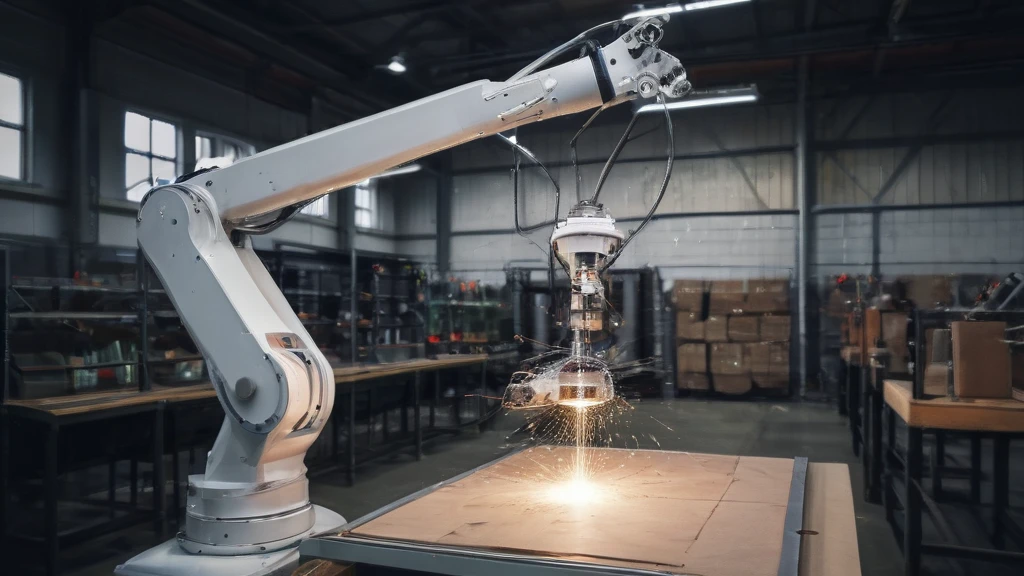
The increase in the number of industrial robots - a global trend.
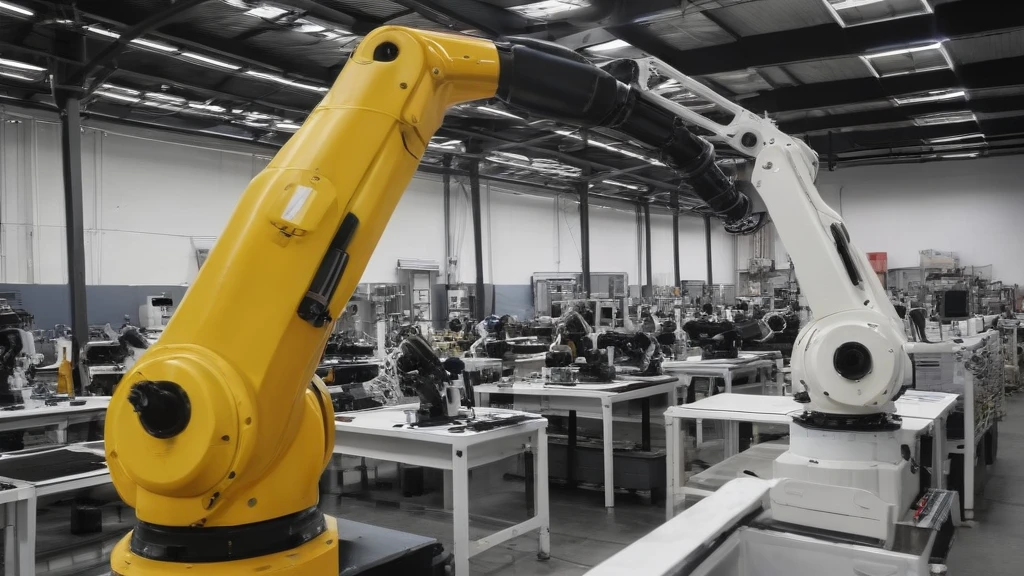
Data from the International Federation of Robotics (IFR) report confirms that by the end of 2020, there were already over 3 million industrial robots operating worldwide. This is more than double the level in 2014 - which means that in seven years, the number of these devices has exceeded a twofold increase. This trend is not accidental: investment in automation is growing around the world, especially in countries with high industrial density. This growth applies to both mobile robots, as well as stationary robots used in production, logistics and assembly.
The significance of this growth is not limited only to production efficiency.The structure of the labor market is also changing - robotics is becoming a strong factor in professional transformation. Research conducted among 7,000 employees in seven countries shows that a significant proportion of them believe that automation can open the way to higher qualifications and new positions. This is not only an optimistic view - it is a real need that must be met by governments and companies.
Automation as an opportunity for professional development.
 Enlarged imageClose zoomPrevious image
According to Junji Tsuda, President of IFR, automation of processes - including robotics and RPA (robotization process automation) - is the biggest factor in changing people's work. It is not only about transforming factories, but also about shifting from repetitive tasks to those requiring creativity, analysis and technology management. However, this opportunity is not automatic - it requires a systematic approach to education and training.
In this context, Singapore stands out as a leader in social innovation. Since January 2016, every citizen over the age of 25 has received a training credit of 345 Singapore dollars, which they can spend on courses offered by 500 accredited providers - from universities to MOOC platforms. This country creates "industry transformation maps" that help employees plan their professional development in consultation with employers. This is an example of how a state can support technological change without excluding people.
What does this mean for the future of work and investment?
The increase in the number of industrial robots by 2020 is not just a statistic - it is a signal for companies, governments and educational institutions. Automation does not replace employees, but changes their role. Employees need new skills: programming, operating AI systems, data analysis, robot management. Without adequate training tools, the risk of job loss increases - especially among people with lower qualifications.
For companies, investments in robotics are not only about costs and efficiency, but also about building a flexible, future-proof workforce. The increasing number of robots shows that technology is developing faster than education systems - which is why partnerships between the private and public sectors are needed. Initiatives such as SkillsFuture in Singapore can become a model for other countries that want to balance technological progress with social security.
This growth in the number of industrial robots is not only the result of technological progress, but also a challenge for education systems and social policy. The increasing automation forces changes in the approach to education - from a school model based on obtaining qualifications once, towards continuous acquisition of new skills throughout life. IFR research shows that without adequate investment in education and training, the risk of excluding workers from the labor market increases, especially among people with lower qualifications or working in sectors vulnerable to automation.
Therefore, it becomes crucial to create flexible training systems that enable rapid adaptation to changing market needs. The example of Singapore - with its SkillsFuture initiative and industry transformation maps - shows that states can act as active partners in this process, supporting employees in the transition to new positions. This approach not only prevents inequalities but also increases the competitiveness of the national economy. In the future, the success of companies and countries will depend not only on the number of robots installed, but on how effectively they utilize