
A new era of commercial robotics in Asia.
LEAP East 2026, held for the first time outside of Saudi Arabia in Hong Kong, became the stage for a new generation of service robots. Among over 300 exhibitors and thousands of participants, KEENON emerged as a leader in innovation - not only through the number of devices but also through the way they are integrated into everyday commercial environments. The event showed that robotics is breaking the boundaries of laboratories and experiments to become part of real services: from customer service to facility maintenance.
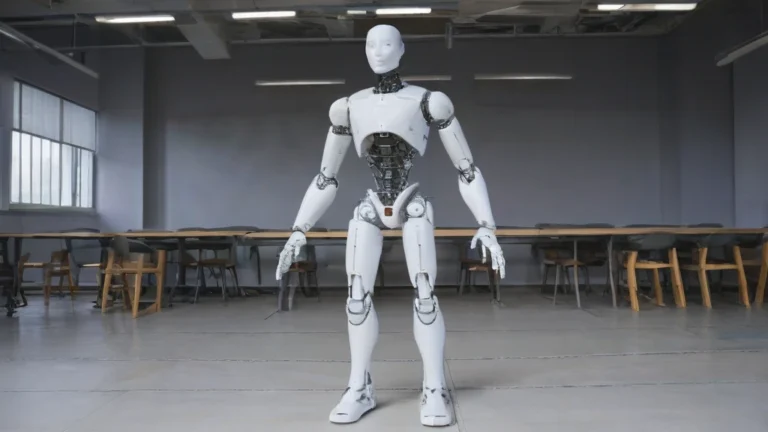
Instead of presenting individual devices, KEENON presented an ecosystem - a combination of humanoids and specialized robots working in harmony. This is not only a technical approach but also a business strategy: general-purpose units (humanoids) handle complex and interactive tasks, while specialized devices - such as delivery or cleaning robots - perform repetitive, physically demanding tasks. This approach allows for scalability without losing flexibility.
A barista-free coffee shop - the robot as a full-fledged employee.
 Enlarged imageClose zoomPrevious image
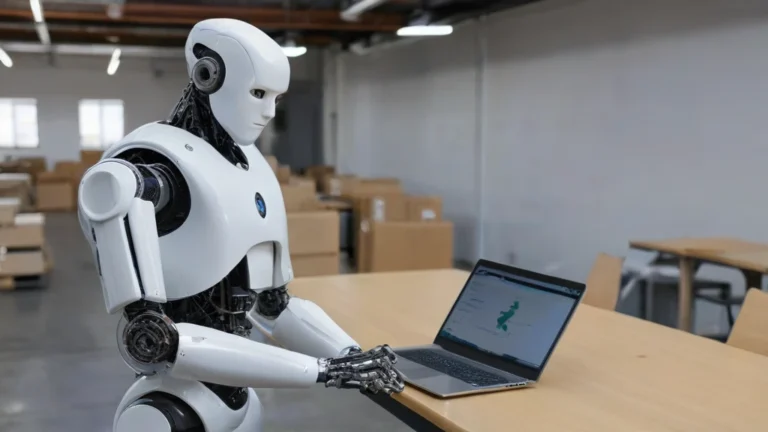
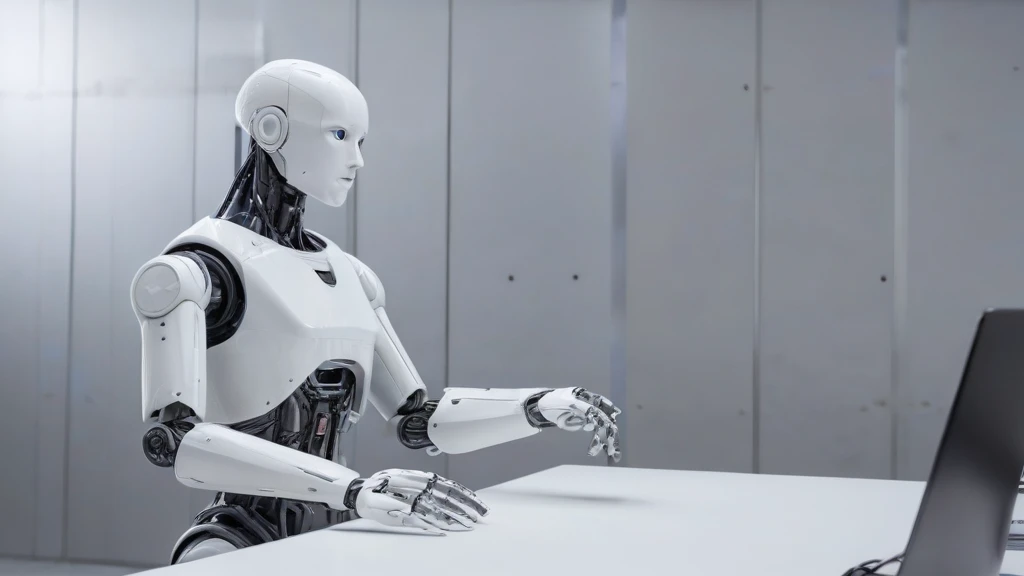
The most surprising demonstration was the working cafe, created in collaboration with NOWWA Coffee. From ordering via iPad to delivering the drink to the customer - everything happened without human intervention. The XMAN-R1 robot, acting as a "specially appointed barista," performed the entire cycle: from setting up the cup and extracting coffee to carefully delivering it to the table.
This was not just an artificial demonstration. It showed how a robot can plan multi-stage tasks, control force during manipulation, avoid collisions, and react to changes in the environment - for example, when the cup was incorrectly positioned. All of this is possible thanks to the KOM 2.0 model - the world's first VLA (Vision-Language-Action) created specifically for the service industry, which enables robots to understand context and make decisions in real time.
Teamwork: humanoids and specialized robots in harmony.
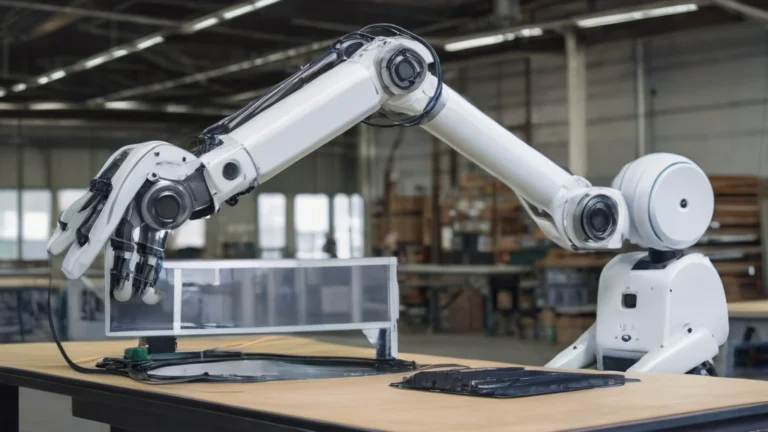
KEENON did not limit itself to humanoids. The exhibition also featured the T10 - a delivery robot with a capacity of 40 kg and a width of 59 cm, which moves in tight spaces and avoids obstacles thanks to a panoramic vision system. The C40, on the other hand, is a cleaning unit with three-roller brushing that can simultaneously wash, scrub, wipe and remove dust - all in one device.
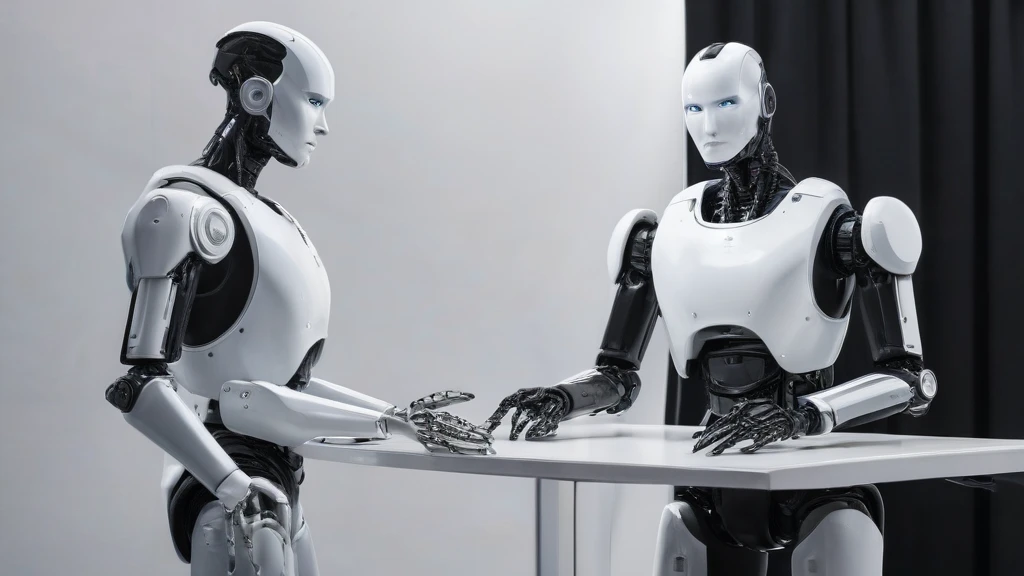
It is important that these devices do not operate in isolation. In the coffee shop scenario, a humanoid performed interactive tasks (e.g., taking orders), while the T10 delivered materials and the C40 cleaned up after work. It is this kind of cooperation that creates a "complete service cycle" - where robots complement each other, rather than compete.
Is this already a real-world implementation? Limitations and prospects.
Although the demonstrations were convincing, it is worth emphasizing: all of this was shown at an exhibition. There is no information about the actual implementation of these scenarios outside of experimental locations. All descriptions regarding "real services" are company statements, not confirmed data from the market.
In addition, although KEENON states that it has over 100,000 robots deployed worldwide and accounts for 22.7% of the global market (according to IDC), this does not automatically mean that these specific scenarios are already widespread. Many of them still require infrastructure development, space adaptation, and customer trust - which may be more difficult than technical implementation.
It is worth emphasizing that although technology enables the comprehensive implementation of a service robot ecosystem, its scaling in real-world commercial conditions faces significant barriers. Issues related to infrastructure - such as available space for large robots, stable network connectivity, or integration with customer service management systems - can significantly delay implementation. Furthermore, building customer trust in interactions with robots, especially in the context of individual service, such as in a coffee shop, requires a long time and repeated confirmation of service quality.
Therefore, although the demonstrations at LEAP East 2026 were technically advanced and convincing, their real-world implementation on a global scale will depend not only on the development of algorithms but also on cultural and organizational changes in the service industry. KEENON emphasizes that its "general-purpose + specialized" strategy is intended to be flexible and scalable - which means the ability to adapt the ecosystem to different types of facilities: from coffee shops to shopping centers or logistics halls. It is this approach, combining the intelligence of humanoids with the precision of specialized devices, that may represent the future of robotics in