
Robots for the Plastics Industry
Automation in plastics processing!
Precise forming and machining
Robots for modern plastic production
Optimization of injection molding processes
Efficiency and precision in the plastics industry
Robots supporting recycling and ecology
Robots for the plastics industry streamline injection molding, cutting, assembly and recycling processes. Thanks to high precision and automation, they increase production efficiency, minimize waste and optimize raw material consumption.
Contact us Watch the videoAutomation in the Plastics Industry - Efficiency and Flexibility in Changing Realities
Robots for the Plastics Industry
The plastics industry plays a key role in many sectors of the economy, from packaging and automotive to advanced applications in electronics and medicine. In the face of growing demands related to quality, efficiency and sustainable development, automation is becoming an essential element in the operation of modern production plants. NexaRob, working with trusted suppliers of robotic technology, offers system integrations that help companies in the plastics industry improve manufacturing processes and meet stringent quality standards. Thanks to our solutions, companies can increase their competitiveness while ensuring employee safety and efficiently utilizing resources.
Application Characteristics
Key Areas of Automation in the Plastics Industry
Automation in the plastics industry covers a wide range of processes, enabling companies to achieve high-quality products, optimize costs and respond effectively to changing market needs. Below we present the most important areas where robotic integrations from NexaRob are particularly important:
-
Forming and Machining of Parts: Automation of injection molding, thermoforming or CNC machining enables precise shaping of products while maintaining high repeatability and minimizing waste.
-
Packaging and Palletizing: Robots assist in the quick and accurate arrangement of plastic products into collective packaging, which improves internal logistics and enables efficient use of storage space.
-
Quality Control: Advanced vision systems and sensors for detecting material defects, surface damage or incorrect shapes allow maintaining consistent quality in mass production.
-
Logistics and Warehousing: Automatic conveyors and mobile robots ensure optimal management of the flow of raw materials, semi-finished products and finished parts, reducing the risk of damage and service time.
- Safety and Monitoring: Integrated systems monitoring processes and environmental parameters help reduce accidents by controlling, for example, mold temperature or the condition of equipment in real time.
Automation of these key areas translates into improved production efficiency, reduced operating costs and maintaining high safety standards, which plays a decisive role in building a competitive advantage in the plastics industry.
Key Benefits
Why is Automation in the Plastics Industry Crucial for Your Company?
Automation of processes in the plastics industry brings numerous benefits that can significantly impact production efficiency, product quality and workplace safety. Below are six main advantages to consider:
-
Increased Precision and Repeatability: Thanks to automation, each operation - from molding to finishing parts - is performed with greater precision, which leads to uniform quality and minimization of product defects.
-
Higher Operational Efficiency: Robots can work continuously, which allows for shortening the production cycle time, increasing the size of batches and faster response to customer orders.
-
Reducing Waste and Costs: Precise dosing and control of production parameters translate into more efficient use of raw materials, which reduces the amount of waste and lowers operating costs.
-
Improved Workplace Safety: The transfer of heavy or hazardous components can be fully automated, reducing the risk of accidents and increasing employee comfort.
-
Flexibility and Personalization: Automatic systems easily adapt to changing production requirements - from manufacturing different series of shapes to quickly switching between different types of plastics.
- Compliance with Standards: Process automation enables continuous monitoring of key quality parameters, which facilitates compliance with industry and environmental certification requirements.
Versatility and Quality at Every Stage
Advanced Robotic Solutions in the Plastics Industry
NexaRob robotic solutions are effective in various sub-sectors of the plastics industry, helping companies achieve goals related to efficiency, repeatability, and environmental responsibility. Below, we present six key areas where our technologies play an important role:
Production of Plastic Packaging
Packaging plays a crucial role in protecting and transporting products - from food to medical supplies. Automation in the packaging manufacturing process enables maintaining the highest standards of hygiene and quality.
Applications:
Injection molding, thermoforming, labeling, and packaging.
Benefits:
Increased repeatability of shapes.
Faster line changeovers.
Reduced material waste.
Technical Components for Automotive and Household Appliances
Modern vehicles and household appliances use many plastic components that must be durable and highly precise. Automation ensures parameter stability, which is essential in mass production.
Applications:
Injection molding of structural elements, assembly of complex sub-assemblies, geometry control of parts.
Benefits:
Higher dimensional accuracy.
Reduced number of defective pieces.
Shorter assembly time.
Recycling and Processing of Plastic Waste
Plastic recycling is becoming increasingly important in the context of environmental protection and sustainable development. Automated systems for sorting and processing waste increase the efficiency of material recovery, reducing the negative impact on the ecosystem.
Applications:
Sorting waste by type of plastic, shredding and cleaning the material, automatic sorting in recycling processes.
Benefits:
Increased recovery of raw materials.
Reduction of costs associated with disposal.
Improved results in the area of sustainable development.
Medical Products Made of Plastics
Medical devices made of plastics must meet strict hygiene and quality standards. Fully automated production minimizes the risk of contamination and increases patient safety.
Applications:
Forming and assembly of disposable surgical instruments, sterile packaging, quality control in cleanroom conditions.
Benefits:
Maximum process cleanliness.
Control of critical parameters.
Full documentation of compliance with medical regulations.
Components for Electronics and Telecommunications
Plastics in the electronics industry must be characterized by durability, insulation and precise execution. Automation allows achieving a higher level of control over key parameters of these components.
Applications:
Forming housings, assembly of plastic components, shape and dimension control.
Benefits:
Dimensional stability of components.
Reduced production cycle time.
Lower material costs.
Composites and Structural Plastics
Plastic-based composites are used in the aerospace, defense, and construction industries. The high strength and light weight of these materials require careful manufacturing.
Applications:
Fiber placement, composite part forming, finishing.
Benefits:
Obtaining lightweight and durable components.
Reduction of errors during multi-stage manufacturing processes.
Real-time quality control.
Robots for the Plastics Industry
Recommended Robot Types for the Plastics Industry
The selection of appropriate automation technologies in the plastics industry is crucial for efficient processing of raw materials, forming of parts and quality control. NexaRob, cooperating with a global network of robotic technology suppliers, offers various solutions tailored to the specific needs of plants producing plastic and composite products.
Articulated robots are characterized by flexible movements in multiple planes, which makes them an excellent choice for tasks requiring complex manipulation, such as part processing, assembly of subassemblies, or precise dispensing of granules.
Advantages:
- Multi-axis kinematics enabling freedom of movement.
- High load capacity and working range.
- Easy adaptation to various production processes.
Applications:
- Injection molding of parts with complex shapes.
- Assembly of plastic components into finished subassemblies.
- Application of protective or finishing coatings.
Example:
An articulated robot used in the assembly of ABS and PC parts has proven effective in an automotive parts production line, reducing the number of defective parts and increasing the assembly rate.
SCARA robots are optimized for fast and accurate operations in the horizontal plane. In the plastics industry, they excel at repetitive tasks such as sorting, packing, or quality control of smaller components.
Advantages:
- Compact design, ideal for limited spaces.
- Fast cycle times and precision in repetitive tasks.
- Easy programming for pick & place operations.
Applications:
- Transferring light parts between successive stages of production.
- Labeling, closing, and packing plastic packaging.
- Quality control for minor damage or underfilling.
Example:
A SCARA robot used for automatic labeling of HDPE bottles in a household chemicals manufacturing plant streamlined the packaging process while reducing labor costs.
Delta robots stand out with their lightweight design and very fast operation, making them ideal for sorting or packing smaller plastic components. They provide high efficiency and repeatability with short production cycles.
Advantages:
- Low moving mass, guaranteeing lightning-fast movements.
- High precision of operations even at high speeds.
- Excellent for working on lines with a high production rate.
Applications:
- Sorting and packing light components (e.g., caps, closures).
- Quality control of small parts in continuous mode.
- Visual inspection of injection-molded parts.
Example:
The implementation of Delta robots for sorting PP caps accelerated the packaging process and minimized the number of waste caused by incorrect sorting.
Cartesian robots, thanks to their movements along the X, Y, and Z axes, provide precise and stable operations in the forming, processing, and packaging of plastic products. They are valued for their simple kinematics and ease of integration.
Advantages:
- High repeatability of movements and easy calibration.
- Relatively simple construction, facilitating maintenance.
- Particularly useful in lines with a longitudinal arrangement of workstations.
Applications:
- Picking parts from injection molds.
- Stacking molded parts for further processing.
- Filling, packaging, and labeling products in granular form.
Example:
The use of Cartesian robots to pick hot parts from injection molds in a factory producing household appliance components maintained high quality of the molded parts and eliminated the risk of operator burns.
Cobots were designed for safe collaboration with people, which makes them particularly useful in processes requiring frequent interaction with operators and a flexible approach to changing requirements.
Advantages:
- Ability to work without protective enclosures thanks to advanced safety systems.
- Quick configuration and simple programming.
- Easy adaptation to new production tasks.
Applications:
- Assembly of precise elements in contact with the operator.
- Joint transfer and packaging of larger plastic parts.
- Assistance in quality control for products with diverse shapes.
Example:
A cobot supporting the assembly process of molded parts in a factory producing TV housing enabled collaboration with an employee while maintaining high accuracy and reducing injuries.
AMR mobile robots are used for the automated transport of raw materials and finished products, which in the plastics industry translates to smooth supply of production lines and more efficient distribution of goods.
Advantages:
- Autonomous navigation in a changing environment.
- Integration with warehouse management systems (WMS), enabling optimization of material flow.
- Flexibility in adjusting routes and delivery schedules.
Applications:
- Delivery of granules and dyes to injection molding machines.
- Order picking in warehouses of plastic products.
- Transport of finished products to packing or loading areas.
Example:
An AMR mobile robot in a PET bottle manufacturing plant streamlined the supply of raw materials to the production line, reducing logistics costs and increasing process efficiency.
Comprehensive Robotic Solutions Integration and Professional Support for the Plastics Industry
Integration and Support
Automation in the plastics industry requires not only advanced technologies, but also precise implementation and multi-faceted after-sales support. NexaRob provides a full range of integration and service services, helping companies achieve the highest standards of quality, safety and efficiency.
Technology Implementation Process
-
Needs Analysis and Consultation: We start with a detailed analysis of the plant's specifics and production processes. Based on this, we define the scope of automation, selecting appropriate types of robots and tools.
-
Design and Planning: We create a detailed project for the integration of robotic systems with the existing technical and logistical infrastructure, taking into account aspects such as material flow and safety requirements.
-
Installation and Configuration: Our engineers install and configure robots and the necessary software, ensuring precise adaptation to the needs of production in the plastics industry.
-
Training and Testing: We organize training for operators and maintenance teams to ensure efficient operation of automation systems. We also conduct functional tests, guaranteeing the correct operation of all components.
- Post-Sales Support: After implementation, we provide ongoing technical support, including service, maintenance, and the possibility of expanding the system in the future to meet changing market demands.
Full Technical Support and Service
-
Regular Technical Inspections: We plan periodic inspections of robots and production lines to minimize the risk of failure and maintain the highest quality of production.
-
Modernization and Updates: In light of the development of new technologies, we provide the possibility of expanding existing solutions, ensuring that robotic systems remain competitive.
-
Remote Diagnostics and Repairs: We use advanced remote monitoring tools to quickly detect and eliminate faults, which reduces production downtime.
- Training Materials and Courses: We offer educational materials and courses for personnel, providing them with the necessary knowledge for efficient operation and maintenance of robotic systems.
Learn more about the possibilities of integrating robotic systems in the plastics industry - contact us to obtain individual advice and technical support!
Frequently Asked Questions
Robotic Solutions in the Plastics Industry - Answers to Frequently Asked Questions
Do you know how automation can increase efficiency in the mixing, dispensing, and transportation processes of raw materials in the plastics industry? Below, you will find answers to frequently asked questions about available technologies and their applications.
Automation allows you to increase production efficiency, maintain high quality parts, reduce operating costs, and improve worker safety in complex molding, machining or packaging processes.
Yes. NexaRob collaborates with a global network of suppliers, allowing us to select robotic solutions that are precisely tailored to the needs and conditions of each production line, regardless of the type of materials being processed.
The implementation time depends on the complexity of the project and the number of processes covered by automation. Typically, it includes needs analysis, design, integration, and training, and can take from several weeks to several months.
Our robotic solutions meet all required safety standards and regulations for working with plastics, which also includes monitoring systems and protection against chemical hazards and high temperatures.
Articulated and Cartesian robots are most often used in injection molding processes due to their precision, repeatability, and ability to work with high-temperature tools.
Yes. At NexaRob, we offer various financing models, including leasing and flexible payment plans, tailored to the needs and capabilities of our customers.
We offer technical support, service, upgrades, and equipment updates, as well as training for employees, which helps maintain a high level of efficiency and safety in the production facility.
Yes. Mobile robots can autonomously transport raw materials or finished products between the warehouse and the production line, optimizing logistics and reducing the need for manual handling.
Absolutely. Our solutions are designed to be easily integrated with resource and production management systems, ensuring a consistent flow of information and facilitating process control.
We encourage you to contact our team of experts. We will conduct a preliminary analysis of needs and possibilities in order to propose individual solutions tailored to your production line in the plastics industry.

Contact us, and our specialists will be happy to help you select solutions perfectly suited to the needs of your company. You can also visit the FAQ section, where you will find answers to frequently asked questions.
Why NexaRob?
Your Trusted Partner in Plastics Industry Automation
At NexaRob, we combine interdisciplinary technical knowledge and a passion for innovation to offer comprehensive automation solutions tailored to the characteristics of plastics production. Thanks to cooperation with trusted suppliers of robots and support systems, we enable companies to increase efficiency, repeatability, and flexibility of processes, regardless of the type or complexity of manufactured parts.
-
In-depth Industry Knowledge: Our team has experience in implementing projects related to injection molding, thermoforming, extrusion, and plastic recycling, which allows us to perfectly understand the challenges and needs of companies in this sector.
-
Flexible and Scalable Solutions: The robotic systems we offer can be easily modified and expanded, allowing for efficient adaptation to changing product ranges and increasing market demands.
-
Reliable Technologies from Global Partners: We cooperate with leading manufacturers of robots and software, which ensures that our customers have access to the latest solutions that increase competitiveness in the market.
- Comprehensive Support and Consulting: NexaRob provides support at every stage of implementation - from analysis and design, through installation and training, to service and modernization, which guarantees long-term, trouble-free operation of systems.

United States

China

Japan

Germany

India

United Kingdom

France

Italy

Canada

South Korea

Brazil

Australia

Spain

Mexico

Indonesia

Netherlands

Saudi Arabia

Turkey

Switzerland

Taiwan

Poland

Sweden

Belgium

Thailand

Ireland

Austria

Norway

Israel

United Arab Emirates

Argentina

South Africa

Denmark

Philippines

Singapore

Malaysia

Colombia

Bangladesh

Egypt

Chile

Finland

Vietnam

Portugal

Czech Republic

Romania

New Zealand

Peru

Greece

Ukraine

Slovakia

Hungary

Slovenia

Croatia

Serbia

Bulgaria

Estonia

Latvia

Lithuania

Iceland

Luxembourg

Malta

Cyprus

Morocco

Algeria

Tunisia

Nigeria

Kenya

Ethiopia

Ghana

Tanzania

Uganda

Angola

Senegal

Qatar

Kuwait

Oman

Pakistan

Sri Lanka

Nepal

Kazakhstan

Uzbekistan

Mongolia

Russia

Cambodia

Myanmar

Laos

Fiji

Papua New Guinea

Venezuela

Ecuador

Uruguay

Paraguay

Bolivia

Costa Rica

Panama

Dominican Republic

Guatemala

Cuba

Jordan

Lebanon

Iran
Additional countries in Europe
These countries are hidden in readable mode so that the map is not cluttered. Click on a country to open contact information, email, and a description of the area of cooperation.
Additional countries in Asia
These countries are hidden in readable mode so that the map is not cluttered. Click on a country to open contact information, email, and a description of the area of cooperation.
Additional countries in the Americas
These countries are hidden in readable mode so that the map is not cluttered. Click on a country to open contact information, email, and a description of the area of cooperation.
Additional countries in Africa
These countries are hidden in readable mode so that the map is not cluttered. Click on a country to open contact information, email, and a description of the area of cooperation.
Additional countries in Oceania
These countries are hidden in readable mode so that the map is not cluttered. Click on a country to open contact information, email, and a description of the area of cooperation.
Albania
Andorra
Belarus
Bosnia and Herzegovina
Montenegro
Liechtenstein
North Macedonia
Monaco
Moldova
San Marino
Afghanistan
Armenia
Azerbaijan
Bahrain
Bhutan
Brunei
Georgia
Iraq
Yemen
Kyrgyzstan
North Korea
Maldives
Syria
Tajikistan
East Timor
Turkmenistan
Antigua and Barbuda
Bahamas
Barbados
Belize
Dominica
Grenada
Guyana
Haiti
Honduras
Jamaica
Nicaragua
Saint Kitts and Nevis
Saint Lucia
Saint Vincent and the Grenadines
El Salvador
Suriname
Trinidad and Tobago
Benin
Botswana
Burkina Faso
Burundi
Cape Verde
Chad
Democratic Republic of the Congo
Djibouti
Eritrea
Eswatini
Gabon
Gambia
Guinea
Guinea-Bissau
Equatorial Guinea
Cameroon
Comoros
Congo
Lesotho
Liberia
Libya
Madagascar
Malawi
Mali
Mauritania
Mauritius
Mozambique
Namibia
Niger
Central African Republic
Rwanda
Seychelles
Sierra Leone
Somalia
Sudan
South Sudan
Togo
Ivory Coast
Sao Tome and Principe
Zambia
Zimbabwe
Kiribati
Micronesia
Nauru
Palau
Samoa
Tonga
Tuvalu
Vanuatu
Marshall Islands
Solomon Islands
Would you like to learn more about the possibilities of automation in the plastics industry? Contact NexaRob and discover the details of our cooperation!
Automate Your Business with NexaRob - Contact Us!
Global Reach
We operate globally, support locally
NexaRob operates in international markets, providing automation solutions that take into account various production conditions, environmental requirements, and local regulations. Our global reach allows us to support the plastics industry in a variety of applications - from food packaging to household appliance components and medical devices.
-
Presence in Key Regions: We have partners and customers in many markets, which ensures effective exchange of experience and flexibility in delivering the latest solutions.
-
Compliance with International Standards: NexaRob's solutions meet the requirements of industry standards, such as ISO or FDA (in the case of contact with food), enabling efficient implementation of systems in any country.
-
Local Service Support: Thanks to our extensive network of suppliers and service providers, we offer customers immediate technical support, regardless of time zone or production type.
- Flexible Adaptation to Market Needs: Each region has its specific requirements regarding recycling, hygiene standards, or methods of packaging plastic products. NexaRob provides modifications and configurations of systems so that they closely match local conditions.
Learn more about our projects implemented around the world. Contact NexaRob to learn the details of global cooperation in the field of plastics production automation!
United States
China
Japan
Germany
India
United Kingdom
France
Italy
Canada
South Korea
Brazil
Australia
Spain
Mexico
Indonesia
Netherlands
Saudi Arabia
Turkey
Switzerland
Taiwan
Poland
Sweden
Belgium
Thailand
Ireland
Austria
Norway
Israel
United Arab Emirates
Argentina
South Africa
Denmark
Philippines
Singapore
Malaysia
Colombia
Bangladesh
Egypt
Chile
Finland
Vietnam
Portugal
Czech Republic
Romania
New Zealand
Peru
Greece
Ukraine
Slovakia
Hungary
Slovenia
Croatia
Serbia
Bulgaria
Estonia
Latvia
Lithuania
Iceland
Luxembourg
Malta
Cyprus
Morocco
Algeria
Tunisia
Nigeria
Kenya
Ethiopia
Ghana
Tanzania
Uganda
Angola
Senegal
Qatar
Kuwait
Oman
Pakistan
Sri Lanka
Nepal
Kazakhstan
Uzbekistan
Mongolia
Russia
Cambodia
Myanmar
Laos
Fiji
Papua New Guinea
Venezuela
Ecuador
Uruguay
Paraguay
Bolivia
Costa Rica
Panama
Dominican Republic
Guatemala
Cuba
Jordan
Lebanon
Iran
Additional countries in Europe
These countries are hidden in readable mode so that the map is not cluttered. Click on a country to open contact information, email, and a description of the area of cooperation.
Additional countries in Asia
These countries are hidden in readable mode so that the map is not cluttered. Click on a country to open contact information, email, and a description of the area of cooperation.
Additional countries in the Americas
These countries are hidden in readable mode so that the map is not cluttered. Click on a country to open contact information, email, and a description of the area of cooperation.
Additional countries in Africa
These countries are hidden in readable mode so that the map is not cluttered. Click on a country to open contact information, email, and a description of the area of cooperation.
Additional countries in Oceania
These countries are hidden in readable mode so that the map is not cluttered. Click on a country to open contact information, email, and a description of the area of cooperation.
Albania
Andorra
Belarus
Bosnia and Herzegovina
Montenegro
Liechtenstein
North Macedonia
Monaco
Moldova
San Marino
Afghanistan
Armenia
Azerbaijan
Bahrain
Bhutan
Brunei
Georgia
Iraq
Yemen
Kyrgyzstan
North Korea
Maldives
Syria
Tajikistan
East Timor
Turkmenistan
Antigua and Barbuda
Bahamas
Barbados
Belize
Dominica
Grenada
Guyana
Haiti
Honduras
Jamaica
Nicaragua
Saint Kitts and Nevis
Saint Lucia
Saint Vincent and the Grenadines
El Salvador
Suriname
Trinidad and Tobago
Benin
Botswana
Burkina Faso
Burundi
Cape Verde
Chad
Democratic Republic of the Congo
Djibouti
Eritrea
Eswatini
Gabon
Gambia
Guinea
Guinea-Bissau
Equatorial Guinea
Cameroon
Comoros
Congo
Lesotho
Liberia
Libya
Madagascar
Malawi
Mali
Mauritania
Mauritius
Mozambique
Namibia
Niger
Central African Republic
Rwanda
Seychelles
Sierra Leone
Somalia
Sudan
South Sudan
Togo
Ivory Coast
Sao Tome and Principe
Zambia
Zimbabwe
Kiribati
Micronesia
Nauru
Palau
Samoa
Tonga
Tuvalu
Vanuatu
Marshall Islands
Solomon Islands
NexaRob
Do you want to become our Partner?
NexaRob strives for continuous development and improvement of automation technologies, which is why we are looking for companies and specialists who want to jointly create innovative solutions in the area of plastic production and processing. We invite companies that believe in the idea of synergy and want to jointly set new standards in the industry to cooperate.
Why is it worth establishing a partnership with NexaRob?
Combining Expertise and Experience
By cooperating with NexaRob, partners gain access to the extensive knowledge of specialists who have implemented projects from various sectors of the plastics industry - from packaging, through automotive, to electronics.
Technical and Marketing Support
We provide comprehensive support for the implementation of robotic solutions, as well as assistance with promotional, trade fair, and educational activities, increasing the visibility of our joint initiatives.
Access to Innovative Technologies
Thanks to cooperation with manufacturers of robots and software at the highest global level, NexaRob partners can offer customers unique solutions that stand out from the competition.
Who is the collaboration with NexaRob in the plastics sector for?
-
Manufacturers of Raw Materials and Modifiers: Companies supplying granules, dyes, or additives for plastics can enrich their offer with innovative dispensing and automation systems.
-
Integration Companies: Specialists in designing production lines and internal logistics systems can expand their portfolio to include the robotization of key processing stages.
-
Software Providers: Manufacturers of CAD/CAM tools, MES/ERP systems, and advanced monitoring tools - together we can create integrated solutions for modern factories.
- Innovators and Start-ups: Entities developing innovative recycling technologies, 3D printing, or advanced forming methods can work with NexaRob to develop the potential of automation in non-standard areas.
Join NexaRob and Together Let's Change the Future of Plastics Production!
Contact us to jointly design innovative automation systems that meet the most demanding market challenges. Together we can develop global opportunities for the plastics sector, focusing on efficiency, environmentally friendly solutions, and a new quality of cooperation.
Interesting facts from around the world
GAM: a new basic model for robotic manipulation in industry.
Amazon introduced the Generalized Action Model (GAM) - an advanced foundational model for robotic manipulation, which
Fraunhofer IPA presents robotics for the circular economy at the European Parliament
On September 2, 2026, the Fraunhofer Institute for Manufacturing Engineering and Automation IPA (IPA)
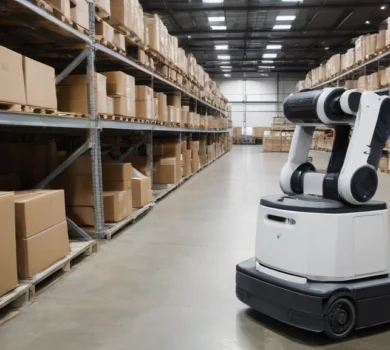
A new method helps people predict errors in self-driving cars
Researchers from MIT and Motional have developed a system that allows people to predict errors in self-driving cars.
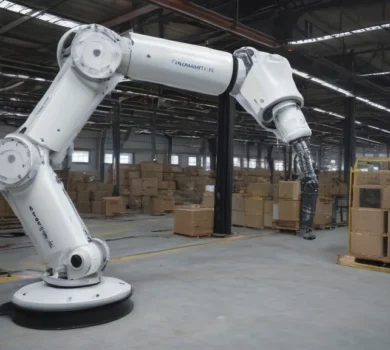
How intelligent memory coding can save energy in autonomous vehicles
A new method called MotiMem-Omega can reduce energy consumption in the memory interface of an autonomous vehicle by
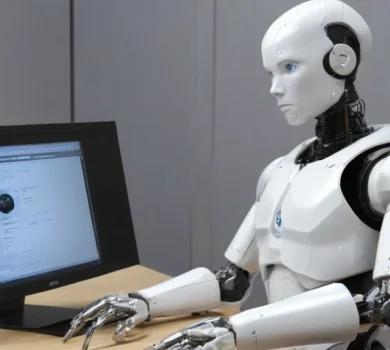
KEENON unveiled the KOM 3.0 at WRC 2026: robots think before they act
At the World Robot Conference 2026, KEENON Robotics presented KOM 3.0 - a new generation of AI architecture,