

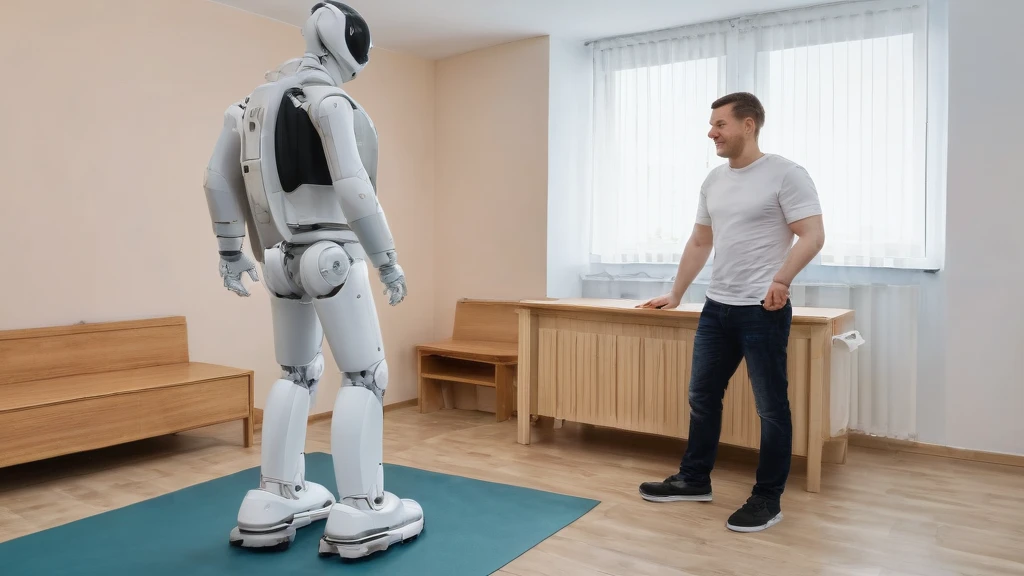
Will exoskeletons really change lives after a spinal cord injury?
Dr. Edelle Field-Fote's presentation, part of the IRIM Fall 2026 Seminar Series, represents a clear shift in understanding the role of exoskeletons in people with spinal cord injuries (SCI). Instead of focusing on their ability to restore walking as a rehabilitation goal, the researcher emphasizes that there are significant limitations in translating the effects of training on the device into actual functioning outside the laboratory. Although technology has advanced significantly since the early 2000s, evidence suggests that improvements in walking are limited and do not necessarily translate into patients' daily lives.
Instead of treating exoskeletons as a tool for regaining walking ability, Dr. Field-Fote proposes a change in perspective: their most important role may be to provide independent mobility and access to an upright position in a social environment. This shift from a rehabilitative goal to a functional goal opens up new directions for the development of technology - from simpler, more practical devices to systems better adapted to real-life conditions.
Why doesn't training on an exoskeleton translate into walking in the real world?
The researcher points out that the differences between training on a device and actual movement outside the laboratory are key.. Training on an exoskeleton takes place in a controlled environment, with a limited number of tasks and no unpredictability. In the real world, however, a person with SCI must cope with various surfaces, changes in terrain, social interactions, and fatigue - factors that are not simulated in standard rehabilitation protocols.
This leads to a situation where a patient may be able to walk on an exoskeleton but loses this ability after it is removed. The effects of training are therefore not translated into daily functioning. Instead, the researcher suggests that it is worth focusing on how exoskeletons can support independence - for example, by enabling longer periods of time in an upright position, better social communication, or easier access to public spaces..
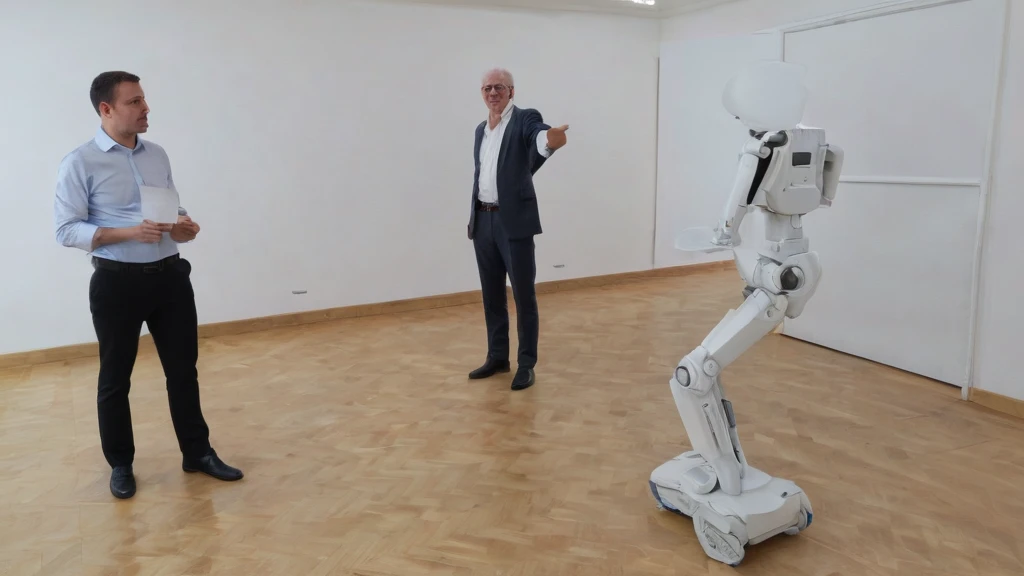 Enlarged imageClose zoomPrevious image
The future of exoskeletons: from rehabilitation to mobility in everyday life
Instead of striving for a complete reconstruction of walking, Dr. Field-Fote points to new goals for technology development: better ergonomics, greater adaptation to different environments, safety and ease of use. It is crucial that exoskeletons are not just rehabilitation devices, but an integral part of the daily life of people with SCI.
This requires not only technological advancements but also changes in the approach to research - from testing effects on a device to assessing their impact on quality of life, access to public spaces and social participation. The researcher emphasizes that only such an approach can ensure a real impact of technology on patients' lives.
What does this mean for the development of technology and cooperation with the medical sector?
Dr. Field-Fote's lecture is a challenge for manufacturers, researchers and medical institutions: exoskeletons can no longer be treated solely as a rehabilitation tool. Their role may be much broader - as a tool supporting independence and social integration.
Collaboration with the industrial sector, as in the case of cooperation with the Oxford Robotics Institute, may bring new approaches to designing more practical devices. However, it is crucial that research does not focus only on technical parameters, but also on how technology affects the daily life of the user.
In the context of exoskeleton technology development, it is key to understand that their value does not have to be measured solely by the ability to walk. Research shows that people with spinal cord injuries often benefit significantly from being able to stand - both in terms of physical and psychological health. Prolonged sitting is associated with the risk of osteoporosis, circulatory problems or muscle loss, which exoskeletons can partially counteract. In addition, standing allows for better social communication, increases the sense of independence and supports integration in the public environment.
In this sense, exoskeletons can act as tools promoting active participation in social life, and not just as rehabilitation devices. This approach requires manufacturers and researchers to focus on ease of use, durability, access to different environments and the ability to adapt to individual patient needs - which is a significant step forward compared to previous technological goals.