Robot Programming in Python+
Python - a universal language for robotics
AI, ROS and automation integration
Advanced robot control
Process optimization in industry
Flexible solutions for automation
Python in control and data analysis
Python is a key programming language in robotics, used in ROS systems, artificial intelligence and process automation. NexaRob offers support in programming, integration and optimization of Python-based systems, adapting them to the requirements of modern robotics.
Contact us Watch the videoDiscover the key advantages and capabilities of the Python language - a versatile tool in robotics (ROS, AI, automation)
Programming industrial robots and AI systems in Python
Python is one of the most recognizable programming languages in the world, widely used in robotics and in the field of artificial intelligence (AI). Thanks to its clear syntax, rich ecosystem of libraries and constantly growing community, Python can handle such diverse tasks as creating robot motion simulations, managing communication in the ROS (Robot Operating System) environment or implementing machine learning algorithms.
Why Python?
- Rich library of tools and frameworks: From TensorFlow and PyTorch (AI) through NumPy and Pandas (data analysis), to dedicated ROS packages - Python offers full support at every stage of a robotic project's development.
- Ease of integration: Simple syntax and versatile interfaces allow for efficient collaboration with industrial devices, sensors or cloud services.
- Dynamic development- Python is a platform that is constantly being developed by a global community. New versions of frameworks and tools are regularly released, which makes it possible to quickly implement innovations in projects.
The possibilities of Python in robotics and automation
- ROS (Robot Operating System)- Python is one of the main languages used in ROS, enabling the writing of nodes to control robots, process data from sensors or coordinate tasks.
- Artificial intelligence (AI)- Implementation of image recognition algorithms, object classification or autonomous navigation based on machine learning and neural networks.
- Automation scripts and supporting tools- Python works perfectly in tasks such as parsing configuration files, batch data processing or cooperation with vision systems in real time.
Why Python and how NexaRob supports its use in robotic projects
Model of cooperation and scope of services related to the Python language
NexaRob is a team of specialists for whom Python has become a universal tool connecting robotics, control systems and data analytics. Our approach is based on cooperation with a global network of suppliers, which allows us to flexibly select hardware platforms and libraries that best meet the client's needs.
Comprehensive project support
- Requirements analysis: We start by identifying the needs and goals of the company in order to develop a strategy for implementing Python in a specific robotic or production environment.
- Design and implementation- We help in creating code in Python - from writing ROS modules, through analytical scripts, to integrations with cloud services.
- Testing and optimization: We verify the application's functionality in conditions similar to production, proposing modifications focused on safety and efficiency.
Tools and training
- Introduction to Python: We organize workshops for teams that want to learn the basics and advanced capabilities of this language in the context of robotics and AI.
- Specialized libraries and frameworks: We show how to use dedicated ROS packages, machine learning algorithms, or tools for real-time data processing.
Post-implementation support and service
- Technical support: After the project is completed, we remain in contact, helping with code maintenance and introducing new features.
- Development and scaling: When a company decides to expand its systems, NexaRob participates in the integration of additional hardware and software modules, ensuring compatibility and stability of the entire solution.
By choosing Python in the context of robotics, companies gain a flexible platform that can meet the challenges of the modern market - from automating small tasks to advanced applications AI, to full-fledged control of collaborative robots. NexaRob helps to go through this process in a safe, efficient and tailored way to real business goals.
Methods and tools - from control scripts to AI algorithms
How does Python support automation at different levels of complexity?
Thanks to its rich ecosystem of libraries and versatile community, Python has become a key tool in robotics - both for simple configuration tasks and advanced AI applications. Below, we present the main methods of using this language in automation projects:
Control scripts for robots and peripheral devices
- Configuration and communication: Short Python scripts can be used to handle communication protocols (e.g., TCP/IP, serial) and manage the operating parameters of robots or sensors.
- Task flow management: In the ROS (Robot Operating System) environment, Python often plays the role of nodes that coordinate robot movements, collect data from sensors, and synchronize processes in real time.
Tools for data analysis and signal processing
- NumPy, Pandas, and SciPy libraries: They allow for fast processing of large datasets, e.g., verifying production quality or detecting anomalies in machine operation.
- Visualization and dashboards: Thanks to Python, you can create interactive charts and control panels (e.g., based on Matplotlib or Plotly), making it easier for operators to monitor operating parameters in real time.
Implementation of machine learning and artificial intelligence algorithms
- Neural networks and computer vision: Frameworks such as TensorFlow, PyTorch, or OpenCV support the implementation of advanced tasks, such as object recognition, autonomous navigation, or product quality classification.
- Integration with collaborative robots (cobots): Python programs can control the movements of cobots based on processed information from 2D/3D cameras, force sensors or vision systems, making processes more flexible and safer.
Automation of processes in a production environment
- Scripts for software version management: Python enables automatic comparison and updating of robot code or PLC drivers, reducing the time required to implement changes.
- Cyclic tasks and prototyping: Short prototypes written in Python allow for quick testing of new solutions and verification of their effectiveness without the need to involve large resources.
The application of Python can cover many layers - from basic control scripts, through analytics and visualization, to complex AI algorithms. At NexaRob, we help in selecting appropriate methods and tools so that robotic projects are both functional and adapted for further development.
Case studies and example implementations (general scenarios)
How does Python solve typical challenges in robotics and automation?
Although each automation project is unique, certain classic problems can be identified that Python helps to solve. Below, we present general scenarios illustrating the potential applications of this language in industry:
Optimization of the assembly process in the electronics industry
Challenge: Manual assembly of components on PCBs is prone to errors and difficulties in scaling, especially for short production runs.
Python solution:
A script for analyzing measurement data (e.g., from vision cameras) that assesses the accuracy of component placement.
Integration with a collaborative robot in a ROS environment, controlled by Python nodes, to perform precise assembly or minor adjustments.
System for monitoring and predictive maintenance
Challenge: Unplanned machine downtime generating financial losses and disruptions to delivery schedules.
Python solution:
Collecting data from vibration and temperature sensors using Python scripts, and then storing it in a database.
A machine learning model (e.g., in PyTorch) that predicts potential failures and sends alerts to the SCADA system.
Computer vision in the food industry
Challenge: Quality control of food products, e.g., size, shape and color of fruits or baked goods, which becomes difficult to verify manually at high volumes.
Python solution:
The OpenCV and PyTorch libraries are used for image analysis from a 2D/3D camera, enabling the detection of defective products in real time.
A dedicated ROS node manages product sorting and interacts with the drive system of the packaging line.
Log analysis and multi-level diagnostics
Challenge: Complex robotic systems generate thousands of logs daily, making it difficult to quickly detect anomalies.
Python solution:
A script that collects and categorizes logs in real time (e.g., from ROS and PLC drivers), and then presents only key information about potential problems to the operator.
It can be extended with analytical algorithms that automatically detect anomalies in robot operation and send notifications to the maintenance team.
Each of these scenarios shows how easily Python it can become a unifying element connecting robots, sensors, and data analysis systems into a single, integrated infrastructure. NexaRob provides not only technological know-how but above all support in developing concepts and coordinating implementations - so that it facilitates companies' smooth and effective transition to a new level of automation.
Collaboration with vision systems and the cloud
How Python connects robots, data analysis, and online services into one ecosystem
The use of Python in robotics is not limited to local control or processing signals from sensors. More and more companies are opting for integration with cloud environments and vision systems, which allows for much broader possibilities in the area of management, monitoring, and further analysis of production data. NexaRob supports such implementations by providing both technical knowledge and a comprehensive strategy for connecting all elements into a coherent whole.
Collaboration with vision systems (2D/3D)
- Real-time image management: Using the OpenCV library and other tools, Python can capture images from cameras, process them (e.g., to recognize shapes or colors), and immediately transmit the results to robot controllers.
- Anomaly detection and quality control: In mass production, vision systems can reduce the number of assembly errors and rejects by continuously verifying the parameters of individual components.
Integration with the cloud (cloud computing)
- Data storage and analysis: Thanks to services from global providers (AWS, Azure, GCP), Python can quickly send data about robot or production line operations to the cloud, where it is subjected to advanced analysis to optimize processes.
- Proactive monitoring: Cloud-based solutions enable the detection of machine malfunctions even in remote locations. Alerts sent provide service teams with the ability to react immediately to potential failures.
Security and scalability
- Modular solutions: Python allows you to build applications in the form of independent modules - one is responsible for image processing, another for communication with the cloud, and yet another for local robot control. This structure facilitates control and future system development.
- DevOps practices: Integration of deployment automation tools (CI/CD) with Python and cloud platforms ensures that software updates or rapid functional extensions do not disrupt production.
NexaRob's role
- Consulting and architecture design: We help in selecting the right vision libraries and cloud services, taking into account real business and technical constraints.
- Practical implementations: We integrate robots and vision systems with data platforms, ensuring security and stability.
- Team training: We train operators and engineers on how to effectively use Python tools and the cloud to increase transparency and flexibility in plant processes.
Thanks to the synergy between Python, with vision systems and cloud solutions, companies can go beyond traditional, local approaches to robotics. This architecture enables continuous improvement, rapid response to potential problems, and the development of innovations without the need for a complete replacement of existing machinery.
How does the appropriate use of Python translate into efficiency and sustainability in industry?
Cost optimization and sustainable development with Python
In an era of increasing pressure to minimize production costs and meet environmental requirements, the use of Python in robotics and automation is becoming not only a matter of technological innovation but also a way to consciously manage resources. Regardless of the size of the company, well-planned Python implementations can significantly impact business results and the sustainability of production processes.
Reduction of material and energy losses
- Precise quality control: The use of computer vision or AI algorithms in Python allows for early detection of defects and elimination of waste at the production stage.
- More efficient use of machines: Real-time data analysis helps to avoid situations where machines operate suboptimally (e.g., with unnecessarily high power or incorrect settings).
Early fault detection and automatic service
- Predictive Maintenance: Python scripts collect information about temperature, vibrations, and voltages from sensors on robots and production lines. Using machine learning, it is possible to predict the risk of failure and plan maintenance accordingly.
- Minimizing downtime: Stable production and fewer unplanned line stoppages translate into lower operating costs and greater customer satisfaction.
Flexible scaling and adaptation to needs
- Modular application structure: Thanks to Python, robotic applications can be built in such a way that as the company develops, they can be expanded with additional functionalities (e.g., additional sensors, new types of robots).
- Data flow optimization- Using the cloud and containerization (e.g., Docker) simplifies resource management, so the company does not incur fixed, unnecessary infrastructure costs.
Sustainable image and competitiveness
- Resource savings- Well-planned implementations of Python AI solutions and vision systems reduce the number of rejected products or wasted materials, which is important in communicating with environmentally conscious customers.
- Preparedness for future regulations- An increasing number of standards and regulations (e.g., regarding emissions or plant certification) require a high level of control over production. Python integration of robots and sensors promotes transparency and easy reporting of environmental indicators.
From the perspective of costs and ecology, Python it allows for the implementation of solutions that not only increase productivity but also support the idea of sustainable development. NexaRob helps in developing such strategies, focusing on real benefits for the company and on conscious use of robotic technologies to enable dynamic and responsible expansion in the market in the long term.
Answers regarding the application of Python in robotics, ROS, and automation
Frequently Asked Questions
Below we present nine questions that often arise when planning or implementing solutions in Python. If you do not find answers to your doubts here, please contact us - NexaRob will be happy to help you match the technology to your needs.
In most robotic tasks, especially those related to ROS and AI, Python provides adequate performance. In situations requiring very short response times (e.g., real-time control), mixed solutions are used, combining code in C/C++ with Python modules. In practice, such a hybrid architecture is a good compromise between flexibility and speed.
Although knowledge of robotics basics and ROS architecture is helpful, the syntax of Python itself is accessible. We also organize training sessions that help you understand how to create and integrate nodes in ROS. This allows even less experienced teams to quickly start working with Python in a robotic environment.
The applications are practically unlimited - from image classification and machine learning in vision systems, to processing signals from sensors and analyzing data in real time. Python is ideal for prototyping new algorithms and for production deployments using libraries such as TensorFlow, PyTorch or OpenCV.
Yes. Many cobot manufacturers offer Python-compatible APIs, which enables writing intuitive code to manage robot movement, retrieve data from safety sensors, and integrate with other services. This speeds up the implementation of projects requiring precision or interaction with humans.
Python has ready-made libraries to support almost all leading cloud providers (AWS, Azure, GCP). These allow you to, for example, send data from sensors to a database in the cloud, train AI models on external computing clusters, or monitor the status of robots in real time. Integration is generally simple and does not require a lot of code.
In many cases, optimizing the code or using dedicated libraries that utilize low-level implementations (e.g., NumPy, SciPy) will suffice. You can also move critical calculations to modules written in C++ and only call them from Python. In practice, this allows you to maintain the ease of creating prototypes and the flexibility of Python while ensuring the required performance.
Rather not. The syntax is clear, and the community is very large, making it easy to find educational materials and examples. In addition, NexaRob offers training tailored to specific industries, which significantly speeds up the learning process and implementation in robotics projects.
The frequency of updates depends on the scope of the project and changes that appear in the libraries. However, it is worth checking for new package versions periodically, especially those related to security and stability. NexaRob can help analyze changes and assess whether an update will bring measurable benefits.
Yes. We support both projects starting from scratch and those in which the Python code has already been written. We offer analysis, optimization, and expansion of functionality to adapt the solution to the growing needs of the company.

Do you have more questions?
We invite you to contact NexaRob directly. We will be happy to discuss the specifics of your project and show you how to use the potential of the Python language to develop modern robotics and automation solutions.
Automate Your Business with NexaRob - Contact Us!
Interesting facts from around the world
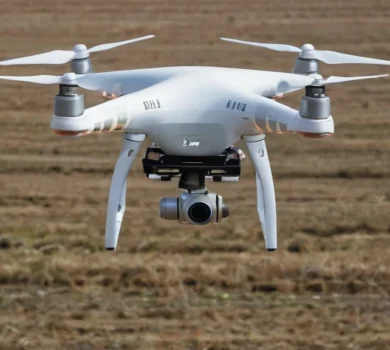
Vision-language models as aids for autonomous drones: balancing speed and precision.
A study conducted on autonomous drones showed that vision-language models, despite their potential for advanced semantic reasoning,
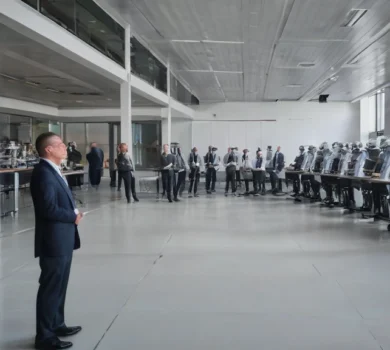
IRIM 2026 Seminar: How can robotics achieve seamless physical interaction with humans?
On October 21, 2026, the Institute for Robotics and Intelligent Machines will host a lecture.
DriveWorld3D: a new generative simulation for safe autonomous driving
The new DriveWorld3D system, developed by the Robostreet team in Cambridge, is designed to help create safer models.
Microlocalization: precise positioning of mobile robots based on microscopic textures of the ground
Researchers have presented a new method for locating mobile robots with an accuracy of tens of micrometers, using microscopic textures.
Robotics as a space for creativity and diversity: experiences of researchers from the Oxford Robotics Institute
As part of the International Women in Engineering Day 2026, researchers from the Oxford Robotics Institute (ORI) shared