
Mobile robots
Autonomous transport in action!
Modern logistics without downtime
Intelligent robots for warehouses and factories
AMR and AGV - Mobility in automation
Efficiency and precision in motion
Mobile robots - The transport of the future
Mobile robots (AMR, AGV) are intelligent autonomous systems that improve logistics, warehousing, and production. Thanks to precise navigation and adaptive artificial intelligence, they optimize internal transport, reducing costs and increasing operational efficiency.
Contact us Watch the videoFlexible Solutions for Modern Automation
Mobile Robots
Mobile robots are advanced automation systems that combine the functionality of static industrial robots with the mobility of autonomous vehicles due to their ability to move around a defined area. Equipped with sensors, navigation systems, and advanced software, these robots can independently plan routes, avoid obstacles, and collaborate with other machines and operators in production halls or warehouses.
Why Consider Mobile Robots?
Flexibility and Scalability
Mobile robots can be easily moved between different workstations, allowing for quick adaptation to changing production needs. This makes investing in mobile robots more future-proof, enabling easy expansion or modification of processes without the need to replace the entire automation system.
Space Optimization
Mobile robots can effectively utilize space in a facility by moving loads where they are needed, without the need to build additional fixed transport systems. This is especially important in production halls with limited space, where every square meter counts.
Increased Efficiency and Reduced Costs
Thanks to their ability to navigate independently and optimize transport routes, mobile robots can significantly increase the throughput of a production line and warehouse. Automating transportation eliminates the need for manual material handling, which translates into lower labor costs and fewer human errors.
Safety and Ergonomics
Mobile robots reduce the risk of accidents associated with employees moving heavy loads. Thanks to autonomous collision avoidance systems and precise control, they ensure safe and ergonomic working conditions, minimizing physical strain on operators.
What Distinguishes Mobile Robots from Other Robots?
Autonomy and Intelligence
Equipped with advanced navigation systems, such as LIDAR, cameras or ultrasonic sensors, mobile robots can navigate independently in a dynamic environment, reacting to changing conditions and cooperating with other devices.
Modularity and Integration
Thanks to their modular design, mobile robots can be easily equipped with various accessories, such as grippers, transport platforms or vision systems. This enables their use in a wide range of applications - from transporting raw materials, through assembly, to order picking.
Easy Implementation
The installation of mobile robots does not require complex infrastructure changes. They can be quickly implemented in existing production lines or warehouses, minimizing downtime and costs associated with modernization.
The Future of Automation - Mobility and Intelligence in One
In the era of Industry 4.0, where flexibility and speed of adaptation are key success factors, mobile robots play an increasingly important role. By combining mobility with intelligent management systems, they form the foundation of modern, automated production and warehouse facilities. With the development of autonomous technologies, artificial intelligence and the Internet of Things (IoT), mobile robots will be even more integrated into production processes, offering unprecedented opportunities for optimization and automation.
Mobile robots
Construction and Operating Principle
Mobile robots are advanced machines designed for flexible movement in various production and logistics environments. Their design combines the features of traditional industrial robots with the mobility of autonomous vehicles, enabling them to efficiently perform tasks in dynamically changing conditions.
Mechanical Design
- Mobile Platform The heart of a mobile robot is the platform, which can be equipped with various drive systems, such as wheels, tracks, or articulated mechanisms. The choice of drive depends on the working conditions - wheels are ideal for smooth surfaces, while tracks perform better on uneven terrain and obstacles.
- Navigation Systems Mobile robots are equipped with advanced navigation systems that allow them to independently plan routes and avoid obstacles. They use technologies such as LIDAR, 3D cameras, ultrasonic sensors, and GPS (for larger areas). Thanks to these systems, the robots can move autonomously, adapting to changing environmental conditions.
- Modular Tool Sets Various accessories and tools, such as grippers, transport platforms, vision systems, or sorting devices, can be mounted on the mobile robot platform. Modularity allows for quick adaptation of the robot to specific tasks, increasing its versatility and efficiency.
Operating Principle and Control
- Autonomy and Intelligence Mobile robots use advanced artificial intelligence (AI) algorithms that enable them to analyze the environment, make decisions in real time, and optimize routes. This allows them to effectively collaborate with other machines and operators, responding to changing working conditions.
- Remote Control and Integration with IT Systems Mobile robots can be controlled both locally using HMI (Human-Machine Interface) panels and remotely via manufacturing execution systems (MES) or IoT platforms. Integration with existing IT systems allows for monitoring the robot's operation, collecting data, and automatically adjusting production processes.
- Safety Systems Built-in sensors and monitoring systems ensure safety for both operators and the robot itself. Mobile robots are equipped with collision detection systems, automatic stopping in case of obstacles, and safe shutdown functions in emergency situations.
Why Are Mobile Robots So Effective?
- Flexibility of Movement: Thanks to their ability to move independently, mobile robots can dynamically change their position within the facility, optimizing material flow and increasing the efficiency of the entire production process.
- Scalability and Adaptability: These robots can be easily scaled according to needs, by adding additional tool modules or increasing their range. This allows them to grow with the company, adapting to increasing production requirements.
- Reduction in Travel Time: Automating material transport eliminates the need for manual handling, which significantly shortens the production cycle time and reduces the risk of human error.
Key Advantages
Key Advantages of Mobile Robots
Mobile robots introduce a new level of flexibility and efficiency to production and logistics processes. Their unique features make them an indispensable element of modern industrial plants.
- Flexibility and Adaptability Mobile robots can easily adapt to different tasks and working environments. Thanks to their modular design and the ability to quickly change tools, they can be used in various applications - from transporting raw materials, through assembly, to order fulfillment. This versatility allows companies to dynamically respond to changing market needs without having to invest in new machines.
- Optimization of Space and Resources The robot's mobility enables efficient use of available space, eliminating the need to create permanent transport or storage routes. Robots can move freely around the hall, optimizing material flow and minimizing unnecessary downtime. This allows production facilities to gain more space for other key processes.
- Increased Efficiency and Reduced Costs Automating the transport and handling of materials using mobile robots significantly increases production efficiency. Robots can work without breaks, fatigue, or human error, which translates into higher product quality and shorter order fulfillment times. In addition, it reduces costs associated with manual labor and minimizes the risk of workplace accidents.
- Safety and Ergonomics Mobile robots relieve employees from heavy and monotonous tasks, improving working conditions and reducing the risk of injury. Thanks to advanced safety systems, robots can work with people in the same workspace without the need for protective barriers. This not only increases safety but also improves ergonomics and employee satisfaction.
- Integration with Industry 4.0 Mobile robots are ideally suited to the concept of Industry 4.0, integrating with IoT systems, data analytics, and artificial intelligence. They can collect and analyze data in real time, optimizing production processes and enabling predictive maintenance. This allows companies not only to increase efficiency but also to better manage resources and predict maintenance needs.
- Autonomy and Intelligence Advanced control algorithms allow mobile robots to make decisions independently, plan routes, and avoid obstacles. Thanks to this, they can effectively cooperate with other machines and operators, adapting to dynamically changing working conditions. This intelligence makes mobile robots not only tools but also intelligent assistants in production processes.
- Reduction of Energy Consumption Thanks to optimized routes and efficient drive systems, mobile robots can operate with lower energy consumption compared to traditional transport systems. This not only reduces operating costs but also contributes to sustainable development and the reduction of a company's carbon footprint.
Applications in Industry
Mobile robots
Mobile robots offer a wide range of applications in various industrial sectors, where flexibility, autonomy, and the ability to navigate large areas are crucial. With their advanced features, these robots can significantly improve production, logistics, and warehousing processes, increasing efficiency and reducing operational costs.
Transport and Logistics
Transfer of Raw Materials and Semi-Finished Products
Mobile robots can autonomously transport raw materials from the warehouse to production stations, eliminating the need for employees to manually move materials. This increases workflow speed and minimizes the risk of product damage.
Automatic Transfers
In distribution centers, mobile robots can perform transfers of packages between different conveyor lines, optimizing routes and reducing order fulfillment time.
Warehousing and Inventory Management
Automatic Replenishment of Stocks
Mobile robots can monitor inventory levels in the warehouse and automatically replenish shortages, communicating with warehouse management systems (WMS). This makes maintaining optimal inventory levels more efficient and less prone to human error.
Optimization of Warehouse Space
Thanks to their ability to move dynamically, mobile robots can effectively utilize warehouse space, transforming traditional shelving layouts into more flexible and scalable storage systems.
Production and Assembly
Support in Assembly Processes
Mobile robots can deliver components to assembly lines on an ongoing basis, synchronizing with the production pace. This allows operators to focus on more complex tasks, increasing overall efficiency.
Transfer of Finished Products
After the production process is completed, mobile robots can transport finished products to packing and labeling areas or directly to the warehouse, automating the entire production cycle.
Pharmaceutical and Medical Industry
Transport of Medicines and Medical Supplies
In pharmaceutical plants, mobile robots can safely and hygienically transport medicines, ampoules or other medical supplies, meeting strict cleanliness and safety standards.
Automation of Laboratory Processes
Mobile robots can support research and development work by transporting samples, reagents or laboratory equipment between different workstations, increasing the precision and efficiency of research.
Food Industry
Automation of Packaging Lines
Mobile robots can transport food products from production lines to packaging areas, ensuring fast and safe transport without human interaction.
Quality Control and Sorting
Thanks to integration with vision systems, mobile robots can sort food products based on quality, size or other parameters, improving the quality control process.
Mobile robots
Industries Where Mobile Robots Are Most Often Used
Mobile robots are gaining popularity in many industrial sectors, where their unique features contribute to a significant improvement in efficiency and flexibility of processes. Below we present the key industries in which mobile robots play a crucial role:

Automatic warehouses and distribution centers use mobile robots for efficient management of material flow.

Assembly lines in the automotive, electronics or household appliance industries use mobile robots to transport components and finished products.

Mobile robots are an integral part of high-level storage systems (AS/RS), providing quick and safe access to stored goods.

Automation of the transport of medicines, medical materials, and laboratory equipment in sterile and controlled environments.

Mobile robots support food production and packaging processes, ensuring hygienic and fast product transportation.

Transport of heavy parts and semi-finished products in metal plants, streamlining production and assembly processes.

Mobile robots handle the transport of car bodies, engines, mechanical and electronic parts, increasing the efficiency of assembly lines.

Moving large and heavy construction materials, such as bricks, concrete blocks, or structural elements, improving construction processes.

Transport of delicate electronic components between assembly stations, minimizing the risk of damage.
Mobile robots are becoming an indispensable element in these and many other industries, thanks to their ability to adapt, autonomy, and flexibility. The integration of mobile robots with existing production and logistics systems allows companies to optimize processes, increase efficiency, and improve working conditions for operators.
Mobile robots
Technical Requirements and Integration
Mobile robots, although extremely flexible and autonomous, require proper preparation of the environment and careful integration with existing production and logistics systems. Below are the key aspects that should be considered before implementing mobile robots in your company.
Operating Parameters
Load Capacity and Range
Mobile robots offer various load capacities - from light models transporting a few kilograms to advanced systems capable of carrying several dozen kilograms. The range of motion of the robots (from 1 to even 5 meters) should be adjusted to the specifics of the application, ensuring that the robot can move freely throughout the production hall or warehouse.
Accuracy and Repeatability
Motion accuracy is crucial in many applications, such as assembly or quality control. Mobile robots typically offer repeatability at the level of ±0.1 mm, which is sufficient for most production tasks. In the case of more demanding applications, it is worth considering models with advanced control and sensor systems.
Speed and Cycle Time
The speed of movement of mobile robots directly affects the efficiency of the process. Depending on the model and application, robots can reach speeds from 0.5 to even 2 meters per second, which allows for quick and efficient transportation of loads.
Integration with Control Systems
Controllers and Communication Protocol
Mobile robots work with popular industrial protocols such as EtherCAT, Profinet or Modbus. Integration with existing control systems (PLC, SCADA) is crucial for the smooth cooperation of robots with other machines and systems in the plant.
Vision Systems and Sensors
Many mobile robots are equipped with vision systems that enable precise localization and identification of loads. Integration with 2D/3D cameras and ultrasonic sensors allows for automatic adjustment of the movement trajectory and avoidance of obstacles in real time.
Software and Automation
Modern mobile robots use advanced software for route planning, task management and device status monitoring. Integration with IoT platforms enables remote management, data analysis and optimization of production processes.
Safety and Working Environment
Risk Assessment
Before implementing mobile robots, it is necessary to conduct a thorough risk assessment. Potential hazards associated with the movement of robots in an environment with people should be identified, and appropriate protective measures should be determined, such as physical barriers or safety zones.
Safety Systems
Mobile robots are equipped with advanced safety systems, such as collision sensors, automatic stop systems, and audible and visual alarms. This allows them to safely cooperate with operators and other machines in the facility.
Environmental Conditions
Mobile robots should be adapted to the conditions prevailing in the workplace, such as temperature, humidity, dust levels, or the presence of chemicals. Depending on the application, they may require special protective coatings or cooling systems.
Operating Conditions and Maintenance
Periodic Inspections
Regular technical inspections are essential to maintain mobile robots in optimal condition. The condition of drives, sensors, control systems and mechanical moving parts should be checked.
Failures and Service
In the event of a failure, quick access to technical service is crucial for minimizing production downtime. It is worth cooperating with a robot supplier that offers local service support and access to spare parts.
Expansion and Updates
Mobile robots can be easily expanded with additional modules or their software can be updated, which allows them to be adapted to changing production and technological needs.
Frequently Asked Questions
Frequently Asked Questions
Mobile Robots
A mobile robot is an advanced automated device that can move around a specific area, performing various transport, assembly or logistics tasks. Equipped with navigation systems and sensors, they can independently plan routes and avoid obstacles, cooperating with other machines and operators.
Mobile robots offer flexibility, scalability and autonomy compared to traditional stationary robots. They allow for optimizing space, increasing efficiency and reducing operating costs. Thanks to the ability to move quickly between workstations, they can dynamically adapt to changing production needs.
Mobile robots are compatible with popular industrial protocols such as EtherCAT, Profinet, and Modbus, which enables their easy integration with control systems (PLC, SCADA) and IoT platforms. This allows them to work with other machines and IT systems, automating and optimizing production processes.
Mobile robots are equipped with advanced safety systems, such as collision sensors, automatic stop systems, audible and visual alarms. Thanks to this, they can safely cooperate with operators and other machines, minimizing the risk of accidents and injuries.
Mobile robots are designed to effectively utilize space in a production facility or warehouse. It is necessary to provide sufficient space on guides, traffic paths, and work areas. Thanks to the flexibility of mobile robots, it is not necessary to create permanent transport routes, which allows for dynamic space management.
The costs of implementing mobile robots depend on many factors, such as the robot model, its load capacity, range of motion, number of additional modules, and the degree of integration with existing systems. NexaRob offers various financing options, including leasing, long-term rental, and Robot-as-a-Service, which allows you to tailor the investment to the company's budget.
Regular maintenance is key to keeping mobile robots in optimal condition. This includes technical inspections, lubrication of mechanisms, control of drive systems, and software updates. NexaRob offers service agreements that provide regular inspections and a quick response to any failures.
The implementation time for mobile robots depends on the scale of the project, the specifics of the production processes, and the degree of integration with existing systems. At NexaRob, the implementation process includes needs analysis, design, installation, configuration, and staff training, which allows for effective and rapid implementation with minimal production downtime.
Yes, mobile robots are equipped with communication and navigation systems that allow them to collaborate with operators in real time. They can synchronize their actions with employees, delivering materials, picking up products, or assisting in assembly processes, which increases efficiency and ergonomics.

If you have more questions or need further assistance, do not hesitate to contact our team of experts at NexaRob!
Why NexaRob?
Choosing the right partner for implementing mobile robots is a key step towards an automated and efficient future for your company. NexaRob offers comprehensive solutions that not only meet your current needs but also allow for dynamic development in the future.
- Experience and Expertise With over a decade of experience in the robotics industry, NexaRob has completed hundreds of projects in various industrial sectors. Our team of engineers and automation specialists has the knowledge and skills necessary to effectively implement mobile robots tailored to the specifics of your production process.
- Individual Approach to the Client We understand that each company has unique needs and challenges. That is why we offer personalized consultations, which allow us to fully understand your requirements and design solutions perfectly tailored to your processes. From needs analysis to design and implementation, we are with you at every stage.
- Comprehensive Project Support NexaRob provides full project support - from the initial concept, through installation and configuration, to staff training and after-sales service. Our comprehensive approach guarantees that the implementation of mobile robots will run smoothly, minimizing downtime and maximizing benefits for your company.
- Integration with the Latest Technologies Our mobile robots are compatible with the latest IoT systems, data analytics, and artificial intelligence. This allows you not only to automate processes but also to monitor and optimize them in real time using advanced analytical tools.
- Flexible Financing Options We understand that investing in mobile robots can be a significant expense. That's why we offer various financing options - leasing, long-term rental, or Robot-as-a-Service - which allow for flexible budget management and full utilization of the automation potential without the need for large initial investments.
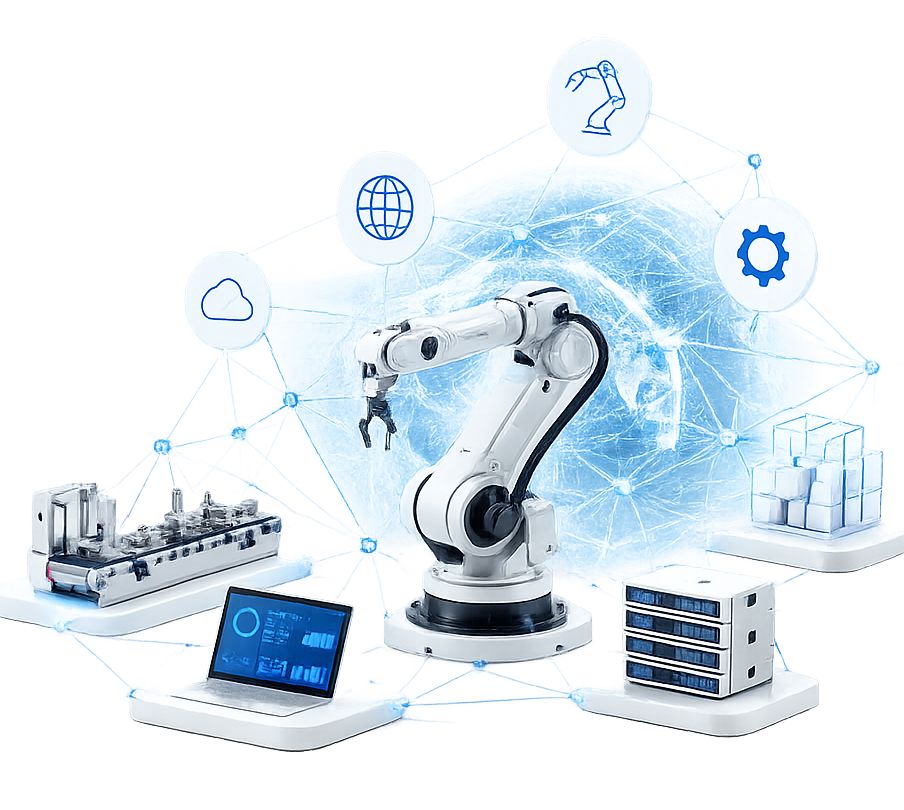
See how our mobile robot solutions can revolutionize your production and logistics processes. Visit our Case Studies section and see how we have helped other companies achieve success through automation.
Automate Your Business with NexaRob - Contact Us!
Global Reach
We operate globally, support locally
NexaRob is a company with international reach, operating in over 100 countries worldwide. Our global presence allows us to offer technical and service support at the highest level, regardless of your company's location.
- Extensive Network of Partners and Regional Offices Thanks to its extensive network of partners and regional offices, NexaRob can quickly respond to customer needs in different parts of the world. Whether you operate a production facility in Europe, Asia, or America, you can be sure that you will receive professional support from local experts.
- Knowledge of Local Markets and Regulations Each market has its unique legal requirements, health and safety standards, and industry standards. Our team has in-depth knowledge of local regulations and standards, which allows us to smoothly implement mobile robots in accordance with applicable regulations.
- Transfer of Knowledge and Best Practices At NexaRob, we share the experience gained during projects in various markets. This allows us to introduce best practices and innovative solutions into each new project, ensuring optimal results and high-quality services.
- Global Service Support Our global service infrastructure enables fast and efficient mobile robot servicing. Our qualified technicians are available on-site to perform inspections, repairs, and system updates, minimizing downtime and ensuring uninterrupted operation of your robots.
- Access to the Latest Technologies and Innovations Thanks to cooperation with partners around the world, NexaRob stays up-to-date with the latest trends and innovations in the field of mobile robotics. This allows us to offer customers solutions based on the most advanced technologies, which increase the efficiency and competitiveness of their companies.
By cooperating with NexaRob, you gain not only technologically advanced mobile robots but also global support, which guarantees that your implementation will run smoothly and effectively, regardless of where your business is located.

United States

China

Japan

Germany

India

United Kingdom

France

Italy

Canada

South Korea

Brazil

Australia

Spain

Mexico

Indonesia

Netherlands

Saudi Arabia

Turkey

Switzerland

Taiwan

Poland

Sweden

Belgium

Thailand

Ireland

Austria

Norway

Israel

United Arab Emirates

Argentina

South Africa

Denmark

Philippines

Singapore

Malaysia

Colombia

Bangladesh

Egypt

Chile

Finland

Vietnam

Portugal

Czech Republic

Romania

New Zealand

Peru

Greece

Ukraine

Slovakia

Hungary

Slovenia

Croatia

Serbia

Bulgaria

Estonia

Latvia

Lithuania

Iceland

Luxembourg

Malta

Cyprus

Morocco

Algeria

Tunisia

Nigeria

Kenya

Ethiopia

Ghana

Tanzania

Uganda

Angola

Senegal

Qatar

Kuwait

Oman

Pakistan

Sri Lanka

Nepal

Kazakhstan

Uzbekistan

Mongolia

Russia

Cambodia

Myanmar

Laos

Fiji

Papua New Guinea

Venezuela

Ecuador

Uruguay

Paraguay

Bolivia

Costa Rica

Panama

Dominican Republic

Guatemala

Cuba

Jordan

Lebanon

Iran
Additional countries in Europe
These countries are hidden in readable mode so that the map is not cluttered. Click on a country to open contact information, email, and a description of the area of cooperation.
Additional countries in Asia
These countries are hidden in readable mode so that the map is not cluttered. Click on a country to open contact information, email, and a description of the area of cooperation.
Additional countries in the Americas
These countries are hidden in readable mode so that the map is not cluttered. Click on a country to open contact information, email, and a description of the area of cooperation.
Additional countries in Africa
These countries are hidden in readable mode so that the map is not cluttered. Click on a country to open contact information, email, and a description of the area of cooperation.
Additional countries in Oceania
These countries are hidden in readable mode so that the map is not cluttered. Click on a country to open contact information, email, and a description of the area of cooperation.
Albania
Andorra
Belarus
Bosnia and Herzegovina
Montenegro
Liechtenstein
North Macedonia
Monaco
Moldova
San Marino
Afghanistan
Armenia
Azerbaijan
Bahrain
Bhutan
Brunei
Georgia
Iraq
Yemen
Kyrgyzstan
North Korea
Maldives
Syria
Tajikistan
East Timor
Turkmenistan
Antigua and Barbuda
Bahamas
Barbados
Belize
Dominica
Grenada
Guyana
Haiti
Honduras
Jamaica
Nicaragua
Saint Kitts and Nevis
Saint Lucia
Saint Vincent and the Grenadines
El Salvador
Suriname
Trinidad and Tobago
Benin
Botswana
Burkina Faso
Burundi
Cape Verde
Chad
Democratic Republic of the Congo
Djibouti
Eritrea
Eswatini
Gabon
Gambia
Guinea
Guinea-Bissau
Equatorial Guinea
Cameroon
Comoros
Congo
Lesotho
Liberia
Libya
Madagascar
Malawi
Mali
Mauritania
Mauritius
Mozambique
Namibia
Niger
Central African Republic
Rwanda
Seychelles
Sierra Leone
Somalia
Sudan
South Sudan
Togo
Ivory Coast
Sao Tome and Principe
Zambia
Zimbabwe
Kiribati
Micronesia
Nauru
Palau
Samoa
Tonga
Tuvalu
Vanuatu
Marshall Islands
Solomon Islands
NexaRob
Do you want to become our Partner?
At NexaRob, we believe that the development of advanced robotic systems - including mobile robots - requires combining the expertise of many parties: component manufacturers, system integrators, software companies, or engineering service providers. If you have a vision for how we can jointly enrich the automation sector and Industry 4.0, we invite you to cooperate!
Why is it worth cooperating with NexaRob?
Development and Innovation
Our R&D team is constantly looking for new solutions in the field of autonomous navigation, optimization of transport routes, or integration of artificial intelligence with mobile systems. Partnership with NexaRob opens the way to jointly designing solutions and prototypes ready for future market challenges, enabling the creation of intelligent, autonomous transport and manipulation systems.
Mutual Technical and Business Support
We provide engineering resources, educational materials, and training - so that our partners can quickly develop their skills in the field of mobile robots. In addition, we participate in trade fairs, conferences, and marketing projects, promoting joint achievements and building strong business relationships.
Global Contacts and New Markets
Our presence in over 100 countries allows us to expand the reach of our partners' operations into various regional markets, taking into account their specific characteristics. Joint development brings benefits to both parties - exchange of experience, greater recognition and access to new customers. Thanks to our global network of partners, your solutions can be implemented on different continents, increasing their reach and impact.
Who is the cooperation with NexaRob in the field of Mobile Robots for?
- Component and accessory manufacturers: Companies that create sensors, navigation systems, specialized grippers or communication modules for mobile robots.
- Integration companies: Enterprises that design and implement complex production lines and logistics systems requiring advanced transport solutions.
- Software providers: Companies offering software for managing mobile robots, monitoring systems, data analysis or artificial intelligence.
- R&D specialists and start-ups: Innovators and young companies looking for an experienced partner in developing new technologies and introducing innovative mobile robotics solutions to the market.
Join NexaRob and shape the future of automation!
Contact us so that we can jointly develop a strategy of mutual support and offer customers mobile systems that meet the most demanding market standards.
Interesting facts from around the world

New path prediction model for autonomous vehicles in construction zones
The new WZDrive model, based on data collected with human participation in a driving simulator, has achieved better results.
Spa-Bench: a new benchmark of real robots evaluating spatial engagement in language-vision-action models
The new Spa-Bench benchmark, which was developed, tests how accurately language-visual-action (VLA) models transform spatial descriptions into reality.
New pneumatic actuator with the ability to change operating modes without disassembly.
Researchers have presented a new, switchable pneumatic actuator based on fabric that enables changing the operating mode without
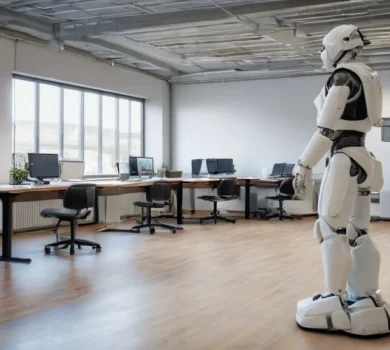
From TUM research to unicorn: RobCo reaches a value of 1 billion euros.
The Münster-based start-up RobCo has reached a market capitalization of 1 billion euros, becoming the 24th unicorn in history.
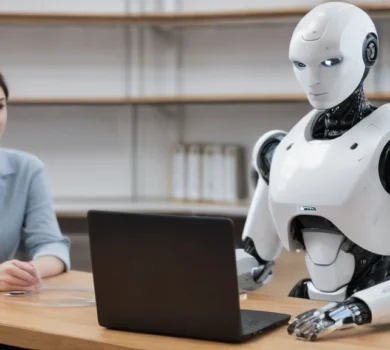
Professor Rania Rayyes on the list of 20 women in robotics to know in 2026.
Professor Rania Rayyes from the Karlsruhe Institute of Technology was recognized on the list of 20 women in robotics.