
IoT Integration
Connect robots with smart systems
IoT integration for maximum efficiency
Robots and IoT - a new era of automation
Advanced analytics and process optimization
Real-time monitoring and control
Seamless communication between machines
Integrating robots with IoT opens up new possibilities in automation and process analysis. By connecting to smart production systems, it is possible to monitor robot performance in real time, optimize efficiency and implement predictive maintenance, minimizing downtime.
Contact us Watch the videoLearn how integrating robots with the Internet of Things enables real-time monitoring and optimization of processes
Connect Robots with IoT for Full Control and Efficiency
Currently, simply implementing industrial robots is often not enough to fully revolutionize production or logistics. It is only through IoT integration that it is possible to continuously collect data on machine operation, analyze it and automatically introduce improvements. This makes it possible to quickly respond to any irregularities, maximize efficiency and further adapt processes to the dynamically changing needs of the market.
What does IoT offer in the field of robotics?
- Real-time monitoring: Information about engine temperature, number of cycles, energy consumption or quality of operations is immediately available on HMI panels or in the cloud.
- Prediction and preventive maintenance: Based on the analysis of current and historical data, we can detect the risk of failure or wear of components earlier, planning maintenance at the optimal time.
- Remote management and diagnostics- Engineers can monitor and modify robot parameters even from another country, which reduces response time to emerging problems.
Why NexaRob?
- Partnership approach- We cooperate with suppliers from around the world to select IoT platforms and sensors that best meet the industry, plant specifics, and business priorities.
- Flexible implementation- We assist in integrating with existing IT systems (MES, ERP, SCADA), plan wireless or wired network expansion to ensure reliable data transmission.
- Data security- We use proven encryption and information protection methods to ensure that sensitive robot operation data is protected from unauthorized access.
What does IoT integration involve?
- Sensors and communication modules- Devices for measuring temperature, vibration, speed, energy consumption or gripper status.
- Cloud computing- Data storage and analysis on cloud platforms, which enables resource scaling and remote support.
- Analytical applications- They enable advanced visualization, reporting and the use of artificial intelligence algorithms (e.g. machine learning) to continuously improve processes.
Effect? W pełni zintegrowany system robotyczny, który nie tylko wykonuje zadania, ale też „uczy się” i dostarcza kompleksowej wiedzy o stanie produkcji czy magazynu. Dzięki temu Twoja firma może efektywnie zarządzać zasobami, unikać przestojów i reagować na rynkowe wyzwania w oparciu o rzetelne dane.
Discover the elements necessary to create an efficient and safe Internet of Things ecosystem in your facility.
Key Components and System Architecture for IoT
Integration with IoT in the field of industrial robotics requires a consistent system architecture, where each component - from sensor to cloud computing - performs a clearly defined function. NexaRob collaborates with trusted technology providers to create flexible and scalable ecosystems tailored to industry needs and existing IT infrastructure.
Devices and Sensors
- Physical sensors: Measuring the temperature of motors, bearing vibrations, fluid levels, or humidity in the robot's working environment.
- Communication modules: Components that enable wireless (Wi-Fi, Bluetooth, Zigbee) or wired (Ethernet) data transmission to higher layers of the system.
Controllers and IoT Gateways (Edge Computing)
- PLC controllers: Often already present in many facilities - they enable the collection of information from robots and peripheral devices, as well as preliminary data processing.
- IoT Gateways: Receive data from various protocols (Modbus, OPC UA, Profinet) and connect them to cloud services. They can also perform basic analytical tasks (Edge Computing), which allows for immediate response to events.
Cloud Computing
- Cloud Platforms: Store and process large amounts of data generated by robots. From the cloud level, you can run artificial intelligence or machine learning algorithms that support drawing conclusions from the collected information.
- Scalability- It allows you to easily expand computing power in the event of increasing data volume or the introduction of new robots into the ecosystem.
Applications and Management Interfaces
- Operator panels (HMI)- They enable local robot operation and real-time viewing of key parameters.
- Analytical platforms- They provide process visualization, generate reports, and help in planning preventive maintenance. They are available both as a desktop version and through a web browser.
Security and Authorization Management
- Data encryption- We use proven protocols (e.g., TLS/SSL) to protect the transmitted information about robot operation.
- User authorization- Defining roles and permissions (e.g., operator, maintenance engineer, IT administrator) to maintain control over access to data and editing capabilities.
By using appropriate methods of collecting and analyzing data from robots in an IoT environment, your company can precisely identify sources of losses, plan maintenance at optimal times, and respond to current production challenges. Cooperation with NexaRob ensures comprehensive support - from the selection of communication protocols to the implementation of analytical systems - which translates into a more efficient and competitive enterprise.
Use the potential of robot information to make better decisions and improve performance.
Methods of Data Collection and Analysis
In order for IoT integration to bring real benefits, effective methods of collecting and analyzing data from sensors, controllers, and robots themselves are needed. At NexaRob, we focus on solutions that enable consistent information flow, easy visualization, and advanced analysis (including machine learning). Thanks to this, you gain not only a view of the current state of production but also tools for forecasting and continuous process improvement.
Real-time Data Collection
- Local Buffering: Some sensitive data (e.g., critical for security) may be stored in the local memory of controllers or IoT gateways to avoid delays.
- Cloud Transmission: Most information, such as temperature measurements, cycle statistics, and alarms, is transmitted continuously to the analytics platform, enabling continuous remote monitoring.
Data Structures and Communication Protocols
- Standardized exchange formats (OPC UA, MQTT, JSON): Facilitate interoperability between different devices and robot manufacturers.
- Event Logs: Each action (e.g., emergency stop, program change, service) is recorded with the date and details, which helps in analyzing trends and troubleshooting.
Analysis and Visualization
- AI/ML Algorithms: Thanks to implemented machine learning models, it is possible to predict failure risk (predictive maintenance) or optimize robot operating parameters (e.g., speed, pressing force).
- Management Dashboards: User-friendly web interfaces or dedicated mobile applications enable a quick overview of key performance indicators (KPIs) and trends, which supports business decision-making.
Notifications and Interventions
- Alerts in case of irregularities- If the established thresholds are exceeded (e.g., too high engine temperature, increased vibrations), the system generates notifications for operators or management personnel.
- Remote control- It allows intervention in robot parameters without physical presence at the machine, while maintaining safety procedures (e.g., user permissions).
Ethics and Information Security
- Access policy- We design roles and permission levels so that each employee only sees the data they need.
- Anonymization and protection- Companies sensitive to information leaks (e.g., regarding production volume) have the option of masking or encrypting key parameters, which protects against unauthorized data interception.
By using appropriate methods of collecting and analyzing data from robots in an IoT environment, your company can precisely identify sources of losses, plan maintenance at optimal times, and respond to current production challenges. Cooperation with NexaRob ensures comprehensive support - from the selection of communication protocols to the implementation of analytical systems - which translates into a more efficient and competitive enterprise.
See how integrating robots with IoT helps avoid downtime and increase production efficiency.
Automatic Diagnostics and Failure Prediction
One of the most important advantages of integrating robots with IoT is the ability to perform automatic diagnostics and predict failures before they even occur. By collecting detailed data on the condition of machines and processing it in real time, your company can proactively respond to any irregularities, minimizing potential downtime and reducing repair costs.
Real-time Parameter Monitoring
- Vibrations and oscillations- An increase in vibration levels may indicate imbalance in the drive system or bearing damage.
- Component temperatures- If motors or gearboxes start to overheat, the system will generate an alert, enabling service intervention before more serious damage occurs.
Predictive Algorithms and Machine Learning Models
- Historical data analysis: Based on past trends, it is possible to identify patterns leading to failures (e.g., a disturbing increase in temperature with a specific profile).
- Maintenance plan adjustment: Instead of rigid schedules, failure prediction is used - which allows inspections and part replacements to be carried out only when they are actually needed.
Early Warning and Automatic Actions
- Alert system: In the event of a potential risk being detected (e.g., exceeding a safe temperature range), IoT sends an immediate notification to operators and the maintenance team.
- Reactive parameter adjustment: If the robot has configured autonomous emergency logic, it can reduce its movement speed or partially shut down to protect critical components.
Time and Cost Savings
- Fewer unplanned downtimes: Reducing the risk of sudden line shutdowns helps maintain a stable production level.
- Better resource management: Knowing in advance that a component is wearing out, you can order spare parts earlier, avoiding express deliveries and additional costs.
Example Scenarios
- Food Industry: Temperature fluctuations in the motor of a robot handling the packaging process can lead to delays in order fulfillment. Early warning allows you to react before the problem affects the production cycle.
- Automotive: Minor anomalies in the operation of welding grippers may indicate the need to replace the nozzle or perform calibration. IoT detects these anomalies, minimizing the risk of defective welds.
Automatic diagnostics and failure prediction are an excellent example of the practical application of IoT technology in industrial robotics. Thanks to this, companies can significantly extend the lifespan of devices, increase process reliability, and optimize service costs. This is also a step towards even more autonomous and efficient automation, which translates directly into business profits.
How to protect IoT infrastructure and robot operating data from cyber threats?
Security and Data Protection in IoT Integration
The integration of robots with IoT brings new challenges in the field of IT security. The data transmitted to the cloud about the status of machines or production parameters is valuable and sensitive, and its improper protection can lead to serious losses. At NexaRob, we place great emphasis on comprehensive security measures so that your robotic systems are not only efficient but also protected against the risk of unauthorized access or hacking attacks.
Encrypted Connections and Authentication
- TLS/SSL Protocol: All data transmissions (e.g., measurements, robot settings, operational logs) are encrypted, which makes it difficult to eavesdrop on the network.
- Multi-level authentication: We establish operator, engineer, and IT administrator roles with different access permissions. This prevents unauthorized persons from changing critical parameters or manipulating control logic.
Separation of Robot Network from Office Network
- Network Segmentation: To minimize the risk of internal attacks or malware spreading, we create dedicated segments (e.g., VLANs) that restrict traffic between zones.
- Industrial firewall: Protection at the boundary between the production network (OT) and the office network (IT), with access control rules tailored to the specifics of robotics.
Updates and Security Patches
- Regular updates: We manage firmware versions in robot controllers, patch IoT gateway operating systems, and ensure compliance with newer cryptographic standards.
- Vulnerability monitoring: We work with IoT and robot solution providers to continuously identify and patch vulnerabilities in software or communication protocols.
Intrusion Detection Systems (IDS) and Log Analysis
- Event logging: Every login, parameter modification, or data transfer is recorded in system logs.
- Automatic anomaly detection: Algorithms can detect unusual behavior on the network - e.g., a sudden increase in traffic, login attempts from unknown addresses, or changes in sensor data profiles.
Backup and Recovery Strategy
- Configuration backup: We regularly create backups of robot settings, network rules, or IoT databases so that in the event of a failure or attack, we can quickly restore the system to working order.
- Disaster Recovery Plan We define the steps to be taken in the event of a more serious situation (e.g., ransomware), so as to minimize downtime and protect critical processes.
In an era of increasing cyber threats, proper protection of IoT infrastructure is essential. NexaRob helps clients implement and maintain secure solutions - from encrypted communication and network segmentation to intrusion detection systems and periodic updates. This ensures that your data remains confidential and robots can operate stably, contributing to a real increase in the efficiency of the enterprise.
See why connecting robots with IoT technologies brings measurable benefits in various industries.
How IoT Increases the Scale of Automation
Although robotics itself improves production and logistics processes, it is only by combining solutions from the field of IoT that the full potential of automation can be realized. Below we present examples of the benefits of integrating robots with cloud-based monitoring and data analysis systems - regardless of the sector in which your company operates.
Increased Process Transparency
- Live View: Management staff and maintenance engineers can see the status of robots, the rate of order fulfillment or the load on the line at any time.
- Multidimensional Analysis: Data collected from sensors (temperature, vibration, energy consumption) can be combined with information from MES/ERP systems, providing a complete picture of costs and efficiency.
Reduced Response Time to Problems
- Real-time Alerts: If predefined thresholds are exceeded (e.g., unexpected temperature increase in the engine), the appropriate persons immediately receive a notification via SMS or e-mail.
- Remote diagnostics: NexaRob specialists or client engineers can quickly log into the system to analyze parameters and decide whether to continue working or shut down a particular robot.
Precise Maintenance and Reduced Downtime
- Scheduled maintenance: Instead of standard intervals, a predictive approach is used, enabling service work before potential failure.
- Lower repair costs: Early detection of defects means that component replacement often only requires minor parts, rather than leading to damage to the entire system.
Flexible Production Adjustment
- Dynamic reprogramming: If the system detects changing market parameters (e.g., a large volume of orders), it can automatically suggest increasing the speed of the robots (as long as safety conditions allow).
- Optimized energy consumption: Energy-saving modes can be introduced during periods of lower load to reduce bills and carbon footprint.
Improved Quality and Reliability
- Control of every detail: In industries where precision is key (electronics, pharmaceuticals), integration with vision systems enables continuous detection of defects and deviations.
- Better resource utilization: Continuous monitoring and data analysis ensure faster error detection, which translates into a lower percentage of production rejects.
Thanks to the integration with IoT, robots become an active element of a broader ecosystem in which every process is monitored and optimized in real time. This makes it possible to reduce costs, respond more quickly to problems, and continuously improve production or logistics methods. In short, IoT enhances the advantages of automation, making it even more efficient and competitive.
Check what steps will allow you to quickly and effectively integrate robots with IoT in your plant
From Audit to Online Launch
Although integrating with IoT sounds like a complex project requiring advanced IT knowledge, in practice, the implementation proceeds smoothly when it is well planned and carried out by an experienced team. Below we describe the main stages through which we guide our clients - from initial consultation to the point where the robots are fully accessible on the network, and data is visible in the selected analytical tools.
Analysis of Needs and Infrastructure
- Audit of existing systems: We check what communication protocols are already used (e.g., Modbus, OPC UA, MQTT) and to what extent the robots are adapted for data transmission.
- Planning information flow: We determine where the data should be stored (cloud, local servers), how quickly it needs to be available, and who will have access to it.
Selection of Devices and Software
- Sensors and IoT gateways: We decide which modules we will connect to the robots to monitor parameters (vibration, temperature, energy consumption).
- Cloud platform: Depending on the requirements for security and scalability, we recommend solutions from public providers (e.g., AWS, Azure) or private vision and analytics systems.
Installation and Configuration
- Hardware implementation: Mounting and connecting IoT gateways, testing signals from sensors, network configuration (Wi-Fi, Ethernet).
- Configuration of communication logic: We define the rules according to which data is sent (e.g., every 10 seconds, after exceeding specified values) to avoid unnecessary network traffic and cloud load.
Testing and Verification
- Event Simulation: We check how the system reacts to typical situations (e.g., exceeding a temperature) - are alerts generated, and does the data go to the right places?
- Safety: We verify that encryption works correctly and that different users only have access to their own areas.
Online Launch
- Connection to Production: After successful tests, we transfer the system to continuous mode in real conditions.
- Monitoring the first few days: Usually during this period, the NexaRob team and the client's IT department closely monitor the parameters in order to quickly adjust any settings or alert rules.
Staff Training and Further Optimization
- Workshops for operators and engineers: We teach how to interpret data and react to warnings. We also explain how to make minor configuration changes.
- Continuous improvement: Based on the collected data, improvements can be made in the production process, and further development of the system with additional modules or functionalities can be planned.
The IoT integration process consists of well-planned stages - starting from assessing the conditions, through hardware installation, to final online implementation and team training. NexaRob works closely with the client at every step, guaranteeing a stable start and rapid return on investment. As a result, your production line becomes more flexible, easier to monitor, and prepared for the challenges of Industry 4.0.
Do you have any doubts regarding the implementation of robots? Check the answers below or contact us.
Frequently Asked Questions
Many companies are considering integrating IoT solutions with industrial robots, but they are not always sure about the details, costs, or security of such an implementation. Below you will find nine questions that our customers often ask. The answers will help you dispel basic doubts and understand how NexaRob can support your company at every stage of the project.
Not always. Many older models can be equipped with additional communication modules, IoT gateways, or PLC controllers, which allows you to collect and transmit data without having to purchase new robots.
It depends on the scale of the project - simpler integrations can be completed in a few weeks, while more complex ones, including advanced cloud analytics or network modernization in the plant, require several months.
We place great emphasis on encrypting transmissions, using industrial firewalls, and managing user access according to roles and permissions. We design solutions with security in mind at every level.
We support popular protocols (OPC UA, MQTT) and industry standards, so robots can "communicate" with the rest of the infrastructure. We also help adapt data formats and network configurations to the requirements of specific systems.
During the project, we always determine which data is critical and must be transmitted in real time, and which can be aggregated and sent less frequently. Thanks to this transmission management strategy, we avoid unnecessary bandwidth congestion.
We design IoT systems so that robots can continue working offline. Some data (e.g., critical for safety) is buffered locally, and when connectivity is restored, the information automatically synchronizes with the cloud.
Yes, if we configure appropriate IoT gateways and security protocols. This allows our engineers or your maintenance team to remotely introduce software modifications, reducing service time and costs.
It is best to start with a small pilot project, integrating IoT with a selected area (e.g., one robot or production line). At NexaRob, we will help you assess the cost-effectiveness, select the necessary devices, and gradually develop the system when you see the first benefits.

Do you have more questions?
Do you have additional questions related to IoT and industrial robotics? Would you like to discuss the specifics of your industry or inquire about financing options and implementation timelines? Contact NexaRob - we will answer all your questions, and our engineers will help design a solution tailored to your needs.
Automate Your Business with NexaRob - Contact Us!
Interesting facts from around the world
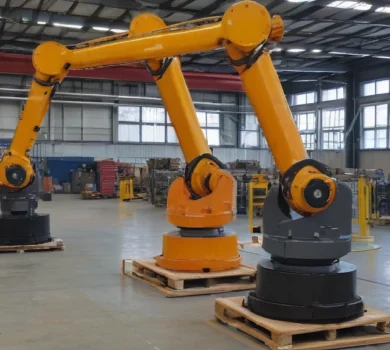
New ARTiS gripper for precise tool manipulation in disassembly
The new ARTiS robot gripper has been accepted for publication in the TASE journal and may
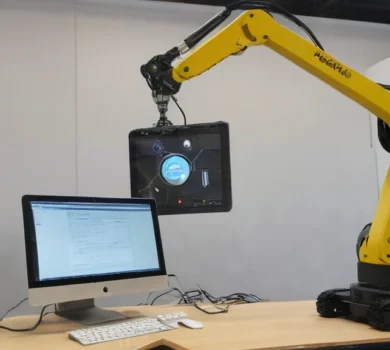
FANUC presents Physical AI and digital twins at IMTS 2026
At IMTS 2026, FANUC America will present new solutions based on Physical AI that are designed to change
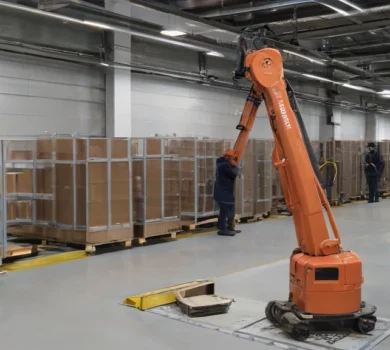
GAM: a new basic model for robotic manipulation in industry.
Amazon introduced the Generalized Action Model (GAM) - an advanced foundational model for robotic manipulation, which
Fraunhofer IPA presents robotics for the circular economy at the European Parliament
On September 2, 2026, the Fraunhofer Institute for Manufacturing Engineering and Automation IPA (IPA)
A new method helps people predict errors in self-driving cars
Researchers from MIT and Motional have developed a system that allows people to predict errors in self-driving cars.