Omron Robot Programming in Sysmac+ Language
Advanced Omron Robot Control
Programming in a Modern Sysmac Environment
Process optimization in automation
Integration of Omron Robots with Production Systems
Precision and Flexibility in Control
Modern Technologies for Industrial Robotics
The Sysmac language is a modern programming environment for Omron robots, providing full control and optimization of industrial processes. NexaRob offers support in the configuration, implementation, and integration of Omron robots, adapting them to specific operational requirements.
Contact us Watch the videoLearn how Omron Sysmac combines robot control with advanced automation, providing innovative solutions for industry.
Programming Industrial Omron Robots in Sysmac Language
Omron Sysmac is a comprehensive automation environment that integrates robot, machine, and sensor control into a single platform. Thanks to its consistent architecture and user-friendly programming tools, Sysmac enables efficient design, implementation, and monitoring of applications - from simple pick & place tasks to advanced assembly and inspection operations. At NexaRob, we use Sysmac to provide flexible and scalable industrial solutions tailored to dynamic production needs.
Why Omron Sysmac?
- Unified Control Platform: It includes support for robots, PLCs, HMIs, servo drives, and vision systems within a single environment, which simplifies integration and reduces the number of configurations.
- User-Friendly Programming Tools: Built-in function libraries and ready-made blocks facilitate code creation and optimization, even for complex processes.
- Easy Communication and Data Exchange: Thanks to common protocols and standards, Omron robots in Sysmac can quickly exchange information with other devices on the line, which significantly improves the entire production process.
How can NexaRob help?
- Requirements analysis: Together with the client, we define the scope and objectives of the project in order to select appropriate devices and modules within Sysmac.
- Creating and optimizing applications: From writing code, through testing in a simulation environment, to final implementation on the production line.
- Support and training: We offer training for operators and engineers to ensure efficient system operation, as well as service and consulting in the development of new functions.
See what distinguishes the Sysmac platform and why Omron robots are so valued in many industries.
Key Features and Application Examples in Omron Sysmac
Although there are various environments for controlling robots and automation, Sysmac offers unique consistency and a comprehensive approach. Below we present the main features of the platform and examples of industries in which Omron robots are highly regarded:
Unified ecosystem
Within Sysmac, you can manage a robot, PLC controller, vision system, and servo drives using a single application and library.
Application: Production lines where many devices need to work together - e.g., CNC machine control, quality control, and palletizing.
Advanced vision tools
Omron has extensive vision modules that can be easily integrated with the robot. This allows for dynamic correction of movement based on camera images.
Application: Sorting processes, precise assembly of small components, visual inspection of parts in the electronics and medical industries.
Merging data from sensors and IoT systems
Sysmac collects data from force, temperature or pressure sensors and enables their analysis in real time.
Application: Monitoring of working conditions in the food industry, energy consumption monitoring, remote detection of deviations in the production cycle.
Easy to expand and update
Thanks to its modular code structure and support for communication standards (EtherCAT, Ethernet/IP), the system can be easily expanded with new devices and functions.
Application: Companies planning to develop their lines along with increased production or the introduction of new products.
Safety
Sysmac includes functions for monitoring safety zones and handling emergency procedures (e.g., emergency stop, speed limitation), which are essential in environments where people work with robots.
Application: Industries with strict health and safety standards - automotive, chemical, food.
Omron Sysmac platform provides comprehensive tools for controlling robots, machines and entire production lines in a single environment. NexaRob supports companies in full implementation - from concept and hardware configuration, through programming and testing, to training and service. Thanks to this, your line can operate more efficiently, safely and smoothly, responding to rapidly changing market challenges.
Discover the various ways to create code in the Sysmac environment and adapt them to the needs of your production line.
Main Modes and Programming Methods in Omron Sysmac
Online, Offline, Teach Pendant and More
Robots and devices in the Sysmac platform can be programmed in several ways - from basic code editing in an online environment, to advanced simulation tools and remote management. At NexaRob, we help you choose the methods that will ensure a quick, safe and flexible implementation in your factory. Below are the most important modes:
Teach Pendant (Online Programming)
- Direct Editing: Using the display and buttons of the controller, the operator can define motion points and task sequences directly at the workstation.
- Quick changes on the line: Excellent in situations where minor adjustments are required during operation - e.g., adjusting the position of a gripper or speed parameters.
- Limitations: More complex applications (with many points or complicated logic) can be time-consuming to implement solely on the robot panel.
Offline Programming (Simulation Environment)
- Working on a computer: Code and trajectories are created in Sysmac offline tools, which enables detailed testing and optimization.
- Time saving: The production line can continue to operate while engineers work on a new version of the application. After uploading, only minor live adjustments are needed.
- Application: Advanced processes requiring accurate collision verification, cycle time analysis, and connection with other systems.
Online Remote Programming (Network Control)
- Remote access: With appropriate security protocols, the NexaRob team or your engineers can connect to the Sysmac controller over the network and introduce code updates from anywhere.
- Expert support: This allows for a quick response to emerging failures or the need for optimization, without having to send an engineer to the plant.
Hybrid Approach
- Combining methods: Typically, it combines quick online correction (e.g., Teach Pendant) with thorough design and optimization in offline tools.
- Gradual improvement: The code can be developed and tested iteratively, and final corrections can be implemented on a running line, minimizing downtime.
Methods programming in Omron Sysmac are flexible and often combined depending on the complexity and pace of change in the process. This makes it possible to improve the operation of robots and other automation devices in both simple and demanding production environments. In the following sections, we will look at how Sysmac connects with vision systems and sensors, enabling even more intelligent and automated line operation.
See how the Sysmac environment and Omron robots dynamically respond to data from cameras and sensors, adapting to changing situations on the line.
Integration with Vision Systems and Sensors in Omron Sysmac
Robots and devices from Omron using the Sysmac platform are not limited to reproducing a fixed code. Thanks to built-in communication functions and vision modules, they can actively react to information coming from the environment. Below we present how such integration facilitates automation:
Vision Systems
- Protocols and libraries: Sysmac allows for seamless connection with Omron 2D/3D cameras (and other compatible ones), enabling robots to retrieve current data on the position and shape of parts.
- Real-time motion correction: When products are arranged in a disorganized manner, the robot calculates the offset and adjusts the trajectory, significantly shortening the cycle in pick & place tasks.
Force and Moment Sensors
- Precise assembly: In applications requiring delicate assembly of components, the robot can monitor the pressing force to avoid damage.
- Collision detection- When the torque exceeds a specified threshold, Sysmac stops the movement and triggers emergency procedures, protecting equipment and the environment.
Integration with PLCs and controllers
- Unified platform: Sysmac is a concept that combines robot control, PLC, and HMI in a single environment, allowing all devices to exchange data without barriers.
- Application: Lines where the robot must closely cooperate with machines, feeders, or conveyors, receiving real-time information about the process status.
Application examples
Food industry
A camera verifies the shape and size of the fruit, and the robot gently places them in containers, controlling the gripping force.
Electronics
Assembly of PCBs and small components with vision correction - Sysmac allows the robot to move dynamically depending on the actual position of the component.
Logistics
Sorting packages by size or QR codes, where data from the vision system is transmitted to the robot, and it automatically places the package in the appropriate location.
Thanks to integration with vision systems and sensors, Omron robots in the platform Sysmac can intelligently respond to changing conditions, increasing the efficiency and safety of the entire process. NexaRob helps in selecting devices, configuring the environment, and writing code so that your production line can make maximum use of the potential of modern automation and robotics.
See how Omron Sysmac can improve the palletizing process in the demanding food industry while maintaining high standards of hygiene and safety.
Automation of Palletizing in the Food Industry with Omron Sysmac
Below is an example of an implementation in the food sector, where Omron robots, managed in the Sysmac environment, helped significantly improve the efficiency of palletizing products of various sizes and shapes. With high product turnover and a focus on hygienic conditions, speed is not the only important factor, but also the ease of adaptation to new types of packaging.
Context and Main Challenges
- Diverse products: Cardboard boxes, bags, bottles - all with different dimensions and weights.
- Strict hygiene standards: The need for frequent downtime to clean the line required flexible software that could adapt to restart and quickly reconfigure.
- Dynamic assortment: New product variants appeared regularly, which had to be reflected in a modular approach to code and motion parameter selection.
Solutions in Sysmac Code
Modular palletizing structure
Each type of packaging (e.g., medium-sized carton, large bag) was assigned a separate configuration module containing parameters for size, weight, and permissible gripping forces. All that needed to be done was to switch the module in the Sysmac controller, and the robot would adjust its trajectory and gripping method to suit the new format.
Integration with the vision system
The camera checked whether the packages were aligned correctly on the conveyor belt, and if there was any misalignment, the robot corrected its movement, speeding up and streamlining the process. For irregular shapes, Sysmac enabled automatic offset calculation, which resulted in fewer damaged products.
Safety and hygiene
The code includes special “cleaning” sequences - the robot stops palletizing and safely moves to a parking position, allowing operators easy access to the workstation. Sensors were also used to detect any leaks or opening of the enclosure doors, in order to immediately stop movement in case of danger.
Effects and Benefits
- Increased throughput by approximately 30%: Thanks to the quick adaptation to different types of packaging and dynamic motion correction, the palletizing cycle time was significantly reduced.
- Reduced product damage: Precise gripping force control and visual correction limited the number of deformed packages or spilled liquids.
- Easy code modification: Operators could make minor changes to the gripping parameters or pallet layout, which made it possible for the line to quickly adapt to new assortments.
This case study shows how Omron Sysmac platform supports robots in achieving high palletizing performance even with a wide variety of products and harsh hygienic conditions. NexaRob provided full support - from requirements analysis, through code writing, to training and ongoing service support - guaranteeing process reliability and flexibility.
How to maintain high efficiency and reliability of Sysmac applications while ensuring maximum safety and compliance with standards?
Optimization of Codes and Safety Procedures in Omron Sysmac
After implementing the application in the Omron Sysmac environment, it is worth taking care of continuous code analysis and optimization so that robots and devices operate efficiently and reliably while maintaining occupational health and safety standards. Here are the key practices we recommend at NexaRob:
Cycle time and trajectory analysis
- Collecting statistics: Sysmac allows you to monitor the number of cycles, errors or downtime. Regular analysis of this data helps identify areas for improvement.
- Refactoring of movements: Often, small changes in trajectory or speed adjustments can shorten the cycle without reducing the quality of operations.
Code structure and modularity
- Elimination of repetitions: Creating common functions and modules in the application reduces the risk of errors and speeds up the introduction of changes.
- Clear naming: Consistent, descriptive variable names (e.g., nSpeedPick, bSafetyZone) help maintain readability and facilitate teamwork.
Safety procedures
- Emergency stop conditions: Sysmac enables immediate interruption of operations in case of collision detection or violation of a protected zone. The correct operation of sensors and light curtains should be checked regularly.
- Occupational health and safety tests: Periodic system tests (e.g., checking the correctness of sensor readings) help maintain compliance with regulations and ensure operator safety.
Updates and development
- Firmware and new features: Omron may release updates for Sysmac controllers. It is worth assessing whether the improvements introduced can help improve performance or support additional devices.
- Project scalability: If a company is expanding its line with more robots or devices, the modular approach to Sysmac code will facilitate the rapid implementation of new elements.
Systematic code optimization and attention to safety in the environment. Omron Sysmac allow robots and devices to operate with maximum efficiency and reliability. NexaRob supports this process by offering audits, consultations and upgrades of existing solutions, so that your production can continuously develop and maintain the highest standards of quality and safety.
Dispel your doubts regarding the creation and maintenance of applications in Omron Sysmac, and also learn about our support model.
Frequently Asked Questions
Below we present answers to frequently asked questions about robots and devices from Omron programmed in the Sysmac environment. If you do not find the issue you are interested in here, please contact NexaRob - we will be happy to discuss your project and present specific proposals.
No. Omron Sysmac was designed so that even people with basic knowledge of control logic can quickly create and modify applications. NexaRob also offers training courses that will accelerate the adaptation process for your team.
Yes. This is one of the main advantages of Sysmac - you can manage robots, PLCs, vision systems and other elements of the line from a single platform, which reduces configuration time and simplifies maintenance.
Yes. Simulation software allows you to create and pre-verify code without stopping production. After completing the tests, simply upload the finished solution to the controller, which significantly reduces downtime.
Sysmac offers extensive communication functions, allowing Omron robots and devices to receive data from 2D/3D cameras and sensors. In the code, you can dynamically correct movement or process parameters based on the current image or force value.
Omron offers a range of collaborative robots (so-called cobots) that are designed for safe cooperation with humans. In addition, Sysmac allows you to define force and speed limits and implement emergency stop procedures in case of dangerous situations.
It depends on the dynamics of the processes in your factory. If you are introducing new products or changes to the line, modifications to the code will be necessary. With stable production, occasional corrections and ad hoc improvements will suffice.
Yes. We cooperate with a global network of suppliers, including Omron. We can help you select the appropriate robot model, configure the entire line, write code, and provide on-site or remote service support.
Thanks to the modular approach to programming in Sysmac, most of the logic can be transferred or adapted to new conditions. NexaRob helps with code migration and device configuration, reducing downtime and compatibility issues.
We invite you to contact us by email or phone. NexaRob will conduct a preliminary analysis of your needs, advise on hardware and solutions, and prepare a complete implementation plan in the Omron Sysmac environment.

Do you have more questions?
Contact NexaRob - our specialists will be happy to help you design and implement solutions in Omron Sysmac, tailored to the key needs of your business. This will allow your production line to operate more efficiently, safely and flexibly in the face of growing market demands.
Automate Your Business with NexaRob - Contact Us!
Interesting facts from around the world
IRIM 2026 Seminar: how robotics can revolutionize assembly in construction
On October 7, 2026, the IRIM seminar will be held at the Georgia Institute of Technology, and it will focus on…
Agility and FORT Robotics are creating a joint safety architecture for humanoids.
Agility Robotics and FORT Robotics have announced a strategic partnership aimed at expanding the safety system for the Digit robot.

TrafficSignBench: a new way to evaluate compliance with traffic signs in autonomous vehicles
A study published on arXiv in 2026 introduces TrafficSignBench - an innovative benchmark for evaluating compliance with traffic signs.
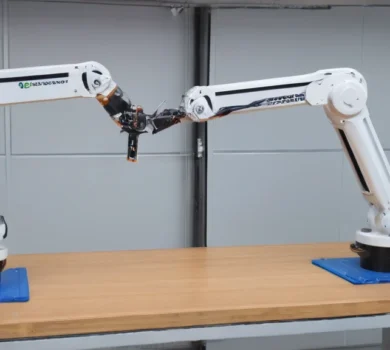
FineART: a new dataset and model for bimanual robot manipulation
The new FineART dataset and its vision-language-action model (FineART-VLA) open up new possibilities for robots performing tasks.
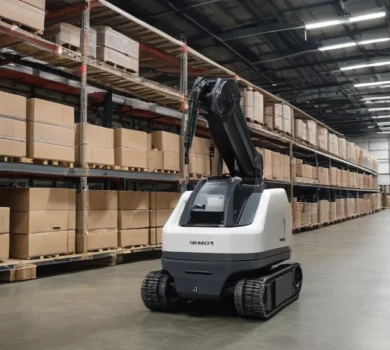
SAKI: a new method for learning and composing manipulative skills from human videos.
The new SAKI framework allows mobile robots to learn effective manipulation strategies based on videos of human actions.