

The exhibition as a platform for new directions in the industry
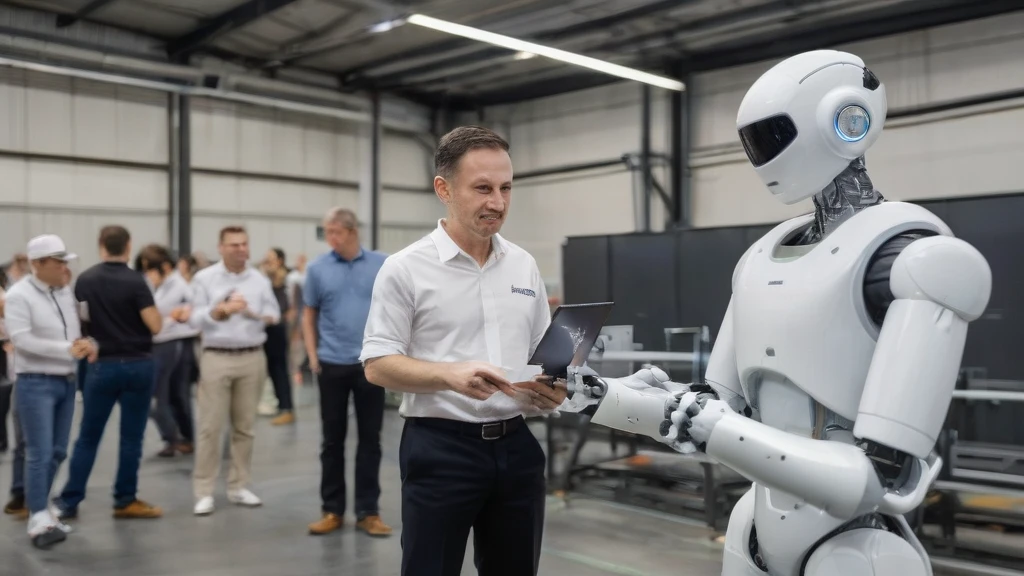
Australian Manufacturing Week 2026, held in Brisbane, became one of the most important industry events in Australia. The gathering of industry leaders, technology providers, and manufacturing specialists made it possible to exchange experiences and present innovations shaping the future of the sector. New CEO Paul Mason, who appeared at this event shortly after taking office, emphasized the importance of cooperation between technology companies and manufacturers in building more efficient and safer production processes.
The exhibition was not only a presentation of new devices - it was also a place for dialogue about the future of the sector. Among the participants were representatives of companies such as KUKA Australia, Infinite Robotics, and Kemppi Australia, which presented advanced solutions for automating production lines and welding. According to the organizers, the event highlights the growing role of robotics in industry as a tool to increase efficiency and safety at work.
Innovations on the technological front
 Enlarged imageClose zoomPrevious image
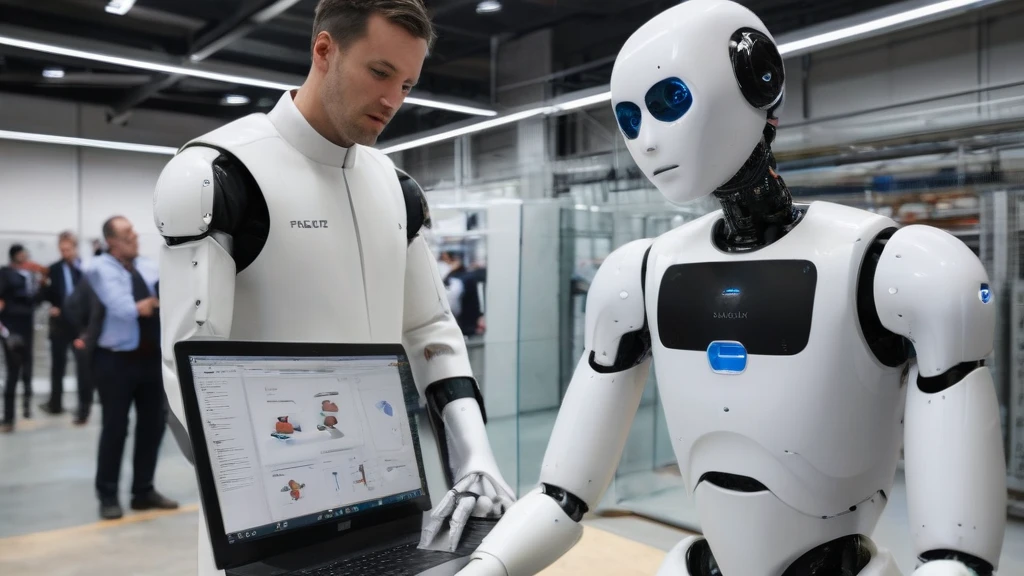
One of the most captivating points of the exhibition was the Freelance Robotics booth, which presented a wide range of solutions: from autonomous mobile robots (AMR) designed for transporting materials along the production line, through collaborative robots (cobots) that support people in repetitive tasks, to advanced welding systems. All these technologies were available for demonstration - participants could see them in action and assess their potential in real-world production conditions.
It is worth noting that the presented solutions are not just an experiment - they are already part of real processes in many plants. Although no specific data on their implementation was provided, the fact that companies such as KUKA Australia and Kemppi Australia presented their products at the same event suggests that these technologies are already part of ready-made offers for industrial customers.
The development of robotics and automation at Australian Manufacturing Week 2026 is not limited to technology demonstrations - it is also a signal to the industry about the need for structural transformation. Autonomous mobile robots (AMR) and collaborative systems (cobots), which were visible at the Freelance Robotics stand, not only increase efficiency but also change the relationship between people and machines in the production environment. Their role is to take over repetitive and physically demanding tasks, allowing employees to focus on tasks with a higher degree of creativity and decision-making.
This translates into better working conditions, reduced physical fatigue, and increased job satisfaction. In terms of safety, such solutions reduce the risk of injuries, especially in areas with high mechanical stress or when working with flammable materials - which is crucial for the welding sector, where Kemppi Australia presented new generations of welding systems with monitoring and self-assessment functions. All these innovations are already part of ready-made market offers, which suggests that their implementation is not a thing of the future, but a reality for many factories.
Economic and political significance
In addition to the technology on display, the exhibition also included elements of macroeconomic analysis. RSM Australia presented insights into the latest federal budget and its implications for the industrial sector. The presentation covered, public investments, and support for innovation - all of which are factors that influence decisions about modernizing production facilities.
This shows that the development of robotics and automation is not just a technical issue. It is part of a broader economic and political context. Decisions regarding investments in new technologies often depend on regulatory conditions, the availability of public funds, and expected financial benefits - which highlights the importance of events such as Australian Manufacturing Week as a place for exchanging information and building strategies.
The significance of the event for the Australian industry is even deeper when we consider its impact on international competitiveness. The introduction of robotics and automation not only increases production efficiency but also supports local companies in achieving global standards, which is crucial in the context of international trade. New technologies, such as autonomous mobile robots or welding systems with self-diagnosis functions, allow for reducing human errors and maintaining high product quality - factors critical for export. Furthermore, the development of these solutions supports the industrial policy of the Australian government, which emphasizes the importance of innovation as an engine of economic growth.
In this context, Australian Manufacturing Week 2026 is not just a technology event but also an important point in the strategy of building the industry of the future - focused on efficiency, safety, and sustainable development. For the new CEO Paul Mason, who participated in the event, it represents not only an opportunity to familiarize himself with trends but also to shape a long-term investment strategy based on real market needs and technological potential.