
Triadic collaboration: human, robot, and mediator
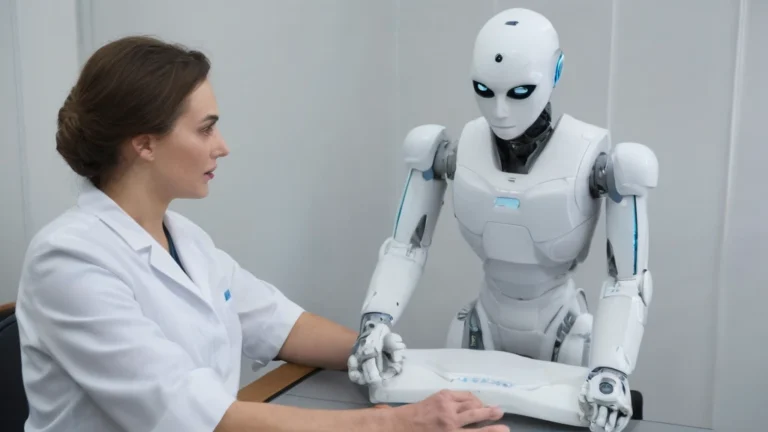
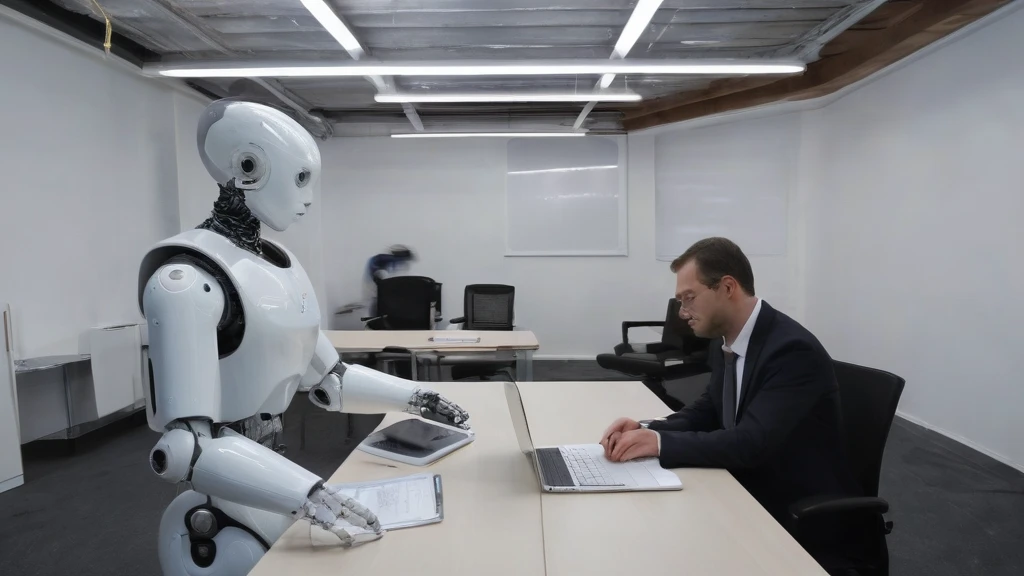
A study conducted by a research team from the University of Texas and other institutions analyzes a new model of collaboration between a resident, a robot, and a corrective mediator. Unlike traditional approaches, where the robot operated based on geometric scene recognition, the new method takes into account user preferences that cannot be inferred from the arrangement of objects alone. The key to this is the mediator - a person or system that interprets the resident's needs and translates them into robotic actions.
The experiment compared two types of mediators: a human expert and a voice agent. The study included three types of tasks: protection against damage, compactness of the arrangement, and grouping of objects. The Show-Correct-Generalize process was used, which allows evaluating not only the correctness of the correction but also the ability to generalize preferences after changing the arrangement of objects in space.
Voice mediator on par with humans - but not without limitations
The study results showed that the voice mediator achieved results comparable to a human expert in two out of three preference categories. This means that in the case of protection against damage and object grouping, the system with the voice mediator worked as effectively as the one involving a human. However, in the compactness category, the differences were significant - which suggests that some aspects of spatial organization require a more subtle interpretation than can be provided by the current model of the voice agent.
Interestingly, the voice mediator received shorter and less detailed instructions. Despite this, its effectiveness was comparable - which indicates the potential for automating the correction process without continuous human involvement. However, researchers emphasize that people still perceive the expert as more trustworthy, which may affect trust in the system in home environments.
 Enlarged imageClose zoomPrevious image
Significance for the future of autonomous robotics
The study results have significant implications for the development of robots in home and private environments. If a voice mediator can replace a human in most cases, it means that autonomous systems can be scaled without the need for continuous expert support. This opens the way for intelligent assistant robots that not only organize things but also learn user preferences in real time.
However, the key challenge remains the generalization of preferences - i.e., the system's ability to maintain consistency with the resident's expectations even after changing the arrangement of objects. The study shows that this is one of the areas that require further research. In addition, the problem of trustworthiness - i.e., how much the user trusts the voice mediator - may affect the acceptance of technology in everyday life.
Limitations and future directions of research
The study was conducted in a laboratory setting, which limits its generalizability to real-world home environments. The lack of data on long-term use, changes in preferences over time, or interactions with different types of users (e.g., children, the elderly) is a significant drawback. Furthermore, the voice mediator model may be sensitive to speech recognition errors or unclear instructions.
In the future, researchers plan to develop systems that will better generalize preferences and learn from context. Introducing machine learning elements based on usage history can help build more reliable and flexible interactions. At the same time, it will be necessary to study the impact of such systems on quality of life, trust in technology, and ethical aspects of privacy.
It is worth emphasizing that although the voice mediator can effectively support robots in personalized packing tasks, its role is not yet a full-fledged alternative to humans in every context. The shortcomings in generalizing preferences and the limitations related to perceived reliability show that the technology still needs further development to achieve full autonomy in dynamic home environments. Future research should focus on integrating learning from context and analyzing long-term user interaction with the system, which will allow for building trust and personalization at an emotional level.
Such an approach may lead to the development of robots that not only perform tasks but also adapt to the changing needs of residents - which is key to widespread adoption of technology in everyday life. In this context, research on multimodal interactions deserves attention, which combines voice, facial expression, and user behavior, which can significantly improve the quality of communication between humans and robots. Such solutions may be particularly important for the elderly or people with mobility limitations, for whom