
The Beginning: The First Industrial Robot in Japan
In 1969, Kawasaki Heavy Industries began commercial production of the first industrial robot in Japan, licensing the Unimate system from the American company Unimation. This event marked the beginning of a long journey that the company took from importing technology to creating its own industrial solutions. Within a few years, Kawasaki began developing its own product lines, including electric P-series robots and large general-purpose E-series robots.
Obtaining a license for Unimate was not the only strategic step. In 1986, the company ended its collaboration with Unimation and began independently developing technology, which allowed it to enter the global market. This decision to innovate internally became the foundation for the brand's further development.
The beginning of Kawasaki Robotics in 1969 was not only a technological breakthrough but also a signal of transformation in the Japanese industry. The introduction of the first industrial robot, licensed from the Unimate system, opened the way for automation of production in Asian countries and became a benchmark for innovation in the region. This event not only solidified Japan's position as a technology leader but also initiated a long-term strategy of investing in the development of robotics as a key element of the new generation industry.
In the following decades, the company not only maintained this position but also expanded its significance by introducing new product categories - from precise systems for medical applications - which demonstrates a profound transformation from purely industrial robotics to solutions that support people in diverse environments. This transformation highlights that the history of Kawasaki Robotics is not just a list of technological achievements, but also an example of a strategic drive to integrate robotics with real societal needs.
Development and expansion: from robots to medical applications
In the 1990s-2000s, the company began to actively expand its presence in Western markets, establishing local subsidiaries in the USA, Germany, and Great Britain. During this period, new generations of controllers were introduced - from the AD series to the C series - which provided greater precision and flexibility in programming.
In 2013, Kawasaki Robotics decided to invest in the future of medical technology by establishing Medicaroid Corporation. This was the first step towards developing robots for medical and pharmaceutical applications, confirming a change in the company's strategy - from purely industrial to multidisciplinary.
Modern solutions: collaborative robots and humanoids
 Enlarged imageClose zoomPrevious image
In 2015, Kawasaki introduced the MG10HL model to the market - one of the heaviest general-purpose robots, which could handle high-power loads. This was further confirmation of its leading position in the heavy-duty class. industrial robots.
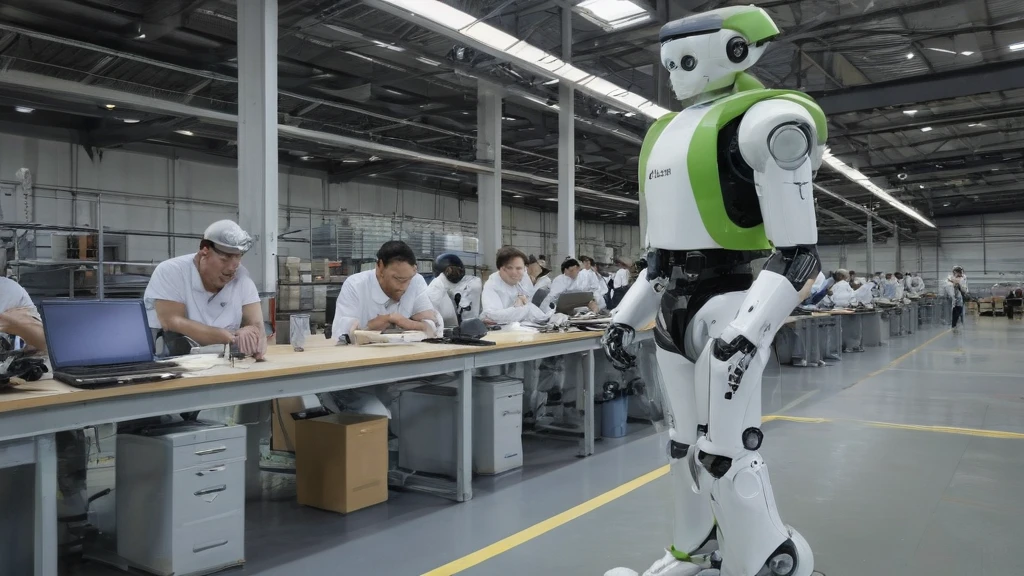
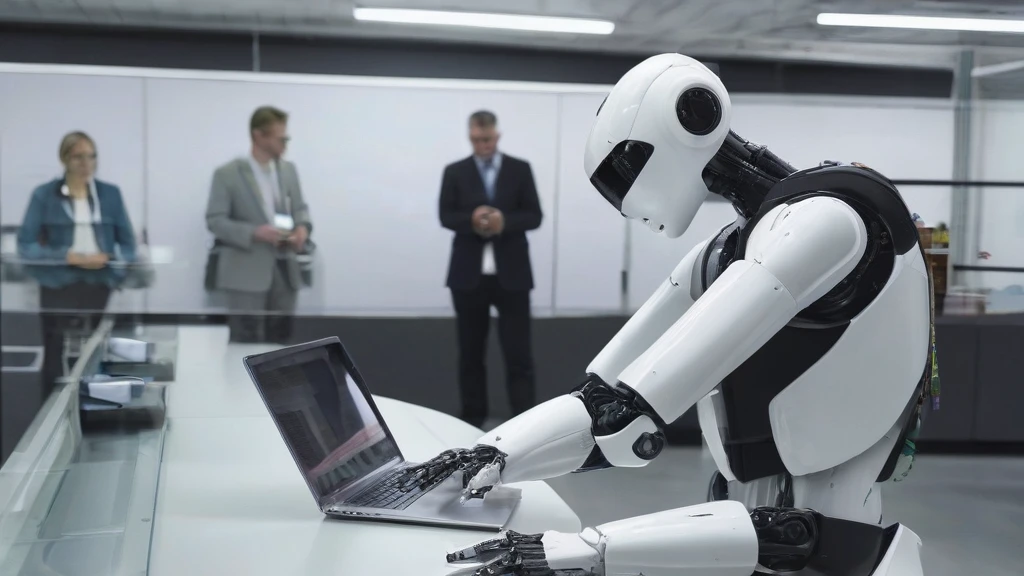
In 2017, the company debuted at the International Robotics Event with the Kaleido humanoid, which was the first such device presented by the company. In subsequent years, this robot was developed for practical application in real-life conditions.
In 2018, Kawasaki introduced the duAro dual-arm collaborative robot to the market, which can operate safely alongside people. This was further confirmation of its focus on collaborative robotics - one of the most important trends in modern automation.
Significance for industry and the future of robotics
The history of Kawasaki Robotics shows how the company was able to transition from licensing technology to creating its own, innovative line of products. Its development has not been limited to the automotive industry - today, applications can be seen in pharmaceuticals, medicine, and even humanoid robotics.
The company's modern designs, such as duAro and Kaleido, are not just technological demonstrations. They point to a future where robots will not only perform tasks but also collaborate with people and support them in difficult conditions - both in factories and clinics.
Limitations and prospects
Although the company has a long history and numerous achievements, its development is not just a technological success. The introduction of new solutions, especially humanoids, still requires many years of testing, regulation, and market acceptance.
It is worth emphasizing that most of the events mentioned - from the introduction of the Y-series to the debut of Kaleido - concerned specific products or initiatives, not mass deployments. There is no evidence that robots such as duAro or Kaleido are already widely used in real commercial applications.