
Application in confined spaces
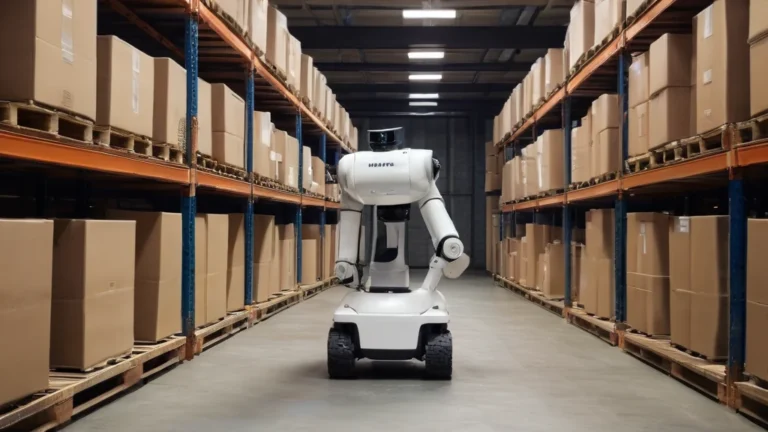
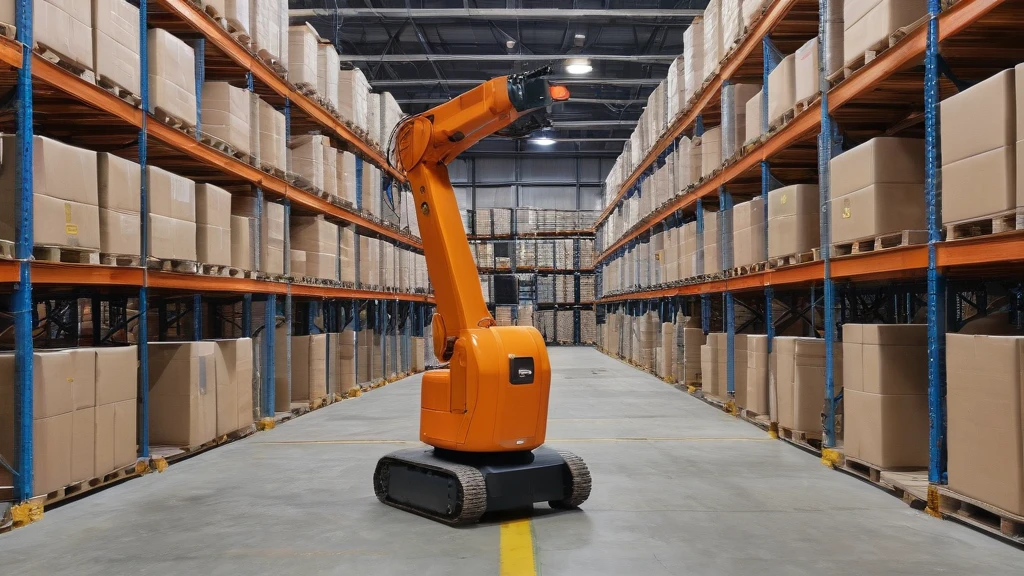
The Seegrid Lift EL1 is specifically designed for environments where space is limited - such as warehouses with narrow aisles, 3PL logistics centers or large fulfillment centers. Its compact design and ability to lift loads up to 2700 pounds make it capable of performing repetitive pallet movements in places where larger devices cannot move. This is particularly important in the context of the growing need to optimize space in logistics.
Instead of requiring the installation of tape or magnets for navigation, the Lift EL1 uses 3D LiDAR SLAM technology. This means that the robot independently maps the environment and adapts to changes in real time - without the need to introduce permanent infrastructure elements. This significantly shortens the deployment time and allows for flexible management of material flow.
Lift EL1 is optimized for high-frequency, low-lift material handling in confined spaces. It is ideal for tasks such as "inbound to buffer," "pick and drop," or "cross docking," where speed, consistency, and reliability are critical. This allows it to efficiently handle repetitive pallet movements in tight aisles where traditional transport methods cannot operate.
Compliance with international standards and integration
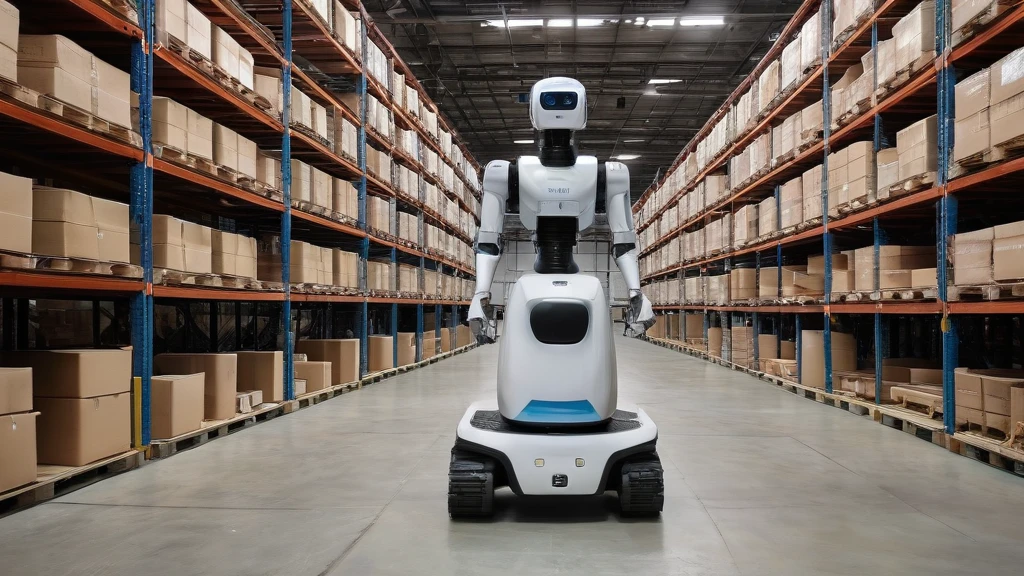
One of the key advantages of Lift EL1 is its compliance with the VDA 5050 standard, version 2.1. This means that the robot communicates in a universal language, which enables integration with various control systems and other robots - even from different manufacturers. In practice, this means that a company can implement Lift EL1 in an existing automation ecosystem without risking loss of flexibility or creating a "closed" system.
Compliance with ANSI B56.5 and ISO/IEC safety standards ensures that the robot operates reliably and predictably. It uses a complex 3D sensor field, which ensures safe operation even in dynamic conditions - for example, when people or other objects approach.
Lift EL1 enables integration with various control systems and robots from other manufacturers thanks to compliance with the VDA 5050 2.1 standard. This means that it can operate in multi-vendor environments where different devices must interact without the need to adapt communication protocols.
 Enlarged imageClose zoomPrevious image
Operational efficiency and benefits for the company
The implementation of Lift EL1 allows for the automation of repetitive, physically demanding tasks - such as moving pallets from the receiving point to the buffer zone or from the buffer to the warehouse. This saves time and reduces the risk of human error, which translates into higher precision and reliability of processes.
Companies using Seegrid technology emphasize that the robots have enabled them to move employees from manual, monotonous tasks to more valuable functions - such as supervision, data analysis, or customer service. This not only improves the quality of work but also supports human capital management strategies in times of labor shortages.
Lift EL1 enables the automation of tasks such as "inbound to buffer," "pick and drop," or "cross docking" - which translates into shorter material flow times and a reduction in errors. As a result, companies can it is possible to achieve higher operational efficiency without the need for infrastructure investment.
Technology and safety
Lift EL1 uses advanced object detection technologies, combining deep machine learning models with 3D vision processing and LiDAR. This allows it to identify and handle a wide range of loads - from standard pallets to custom packaging - with high precision and safety.
The safety system operates on a layered principle: 2D and 3D sensors work together in real time, creating a comprehensive map of the environment. If a hazard is detected, the robot automatically stops or changes its route. This ensures not only the safety of employees but also the continuity of operations - even in dynamic conditions.
Lift EL1 is designed in accordance with ANSI B56.5 and ISO/IEC safety standards for autonomous vehicles. It uses a complex 3D sensor field that ensures safe operation even in dynamic conditions - such as when people or other objects approach.