
FANUC introduces Physical AI into real-world production environments
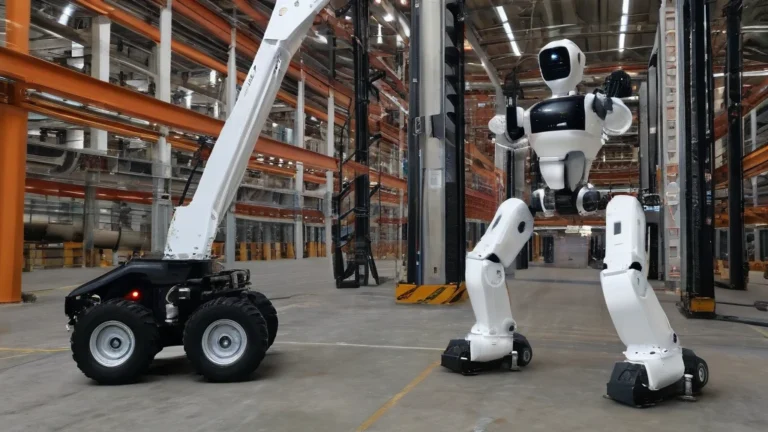
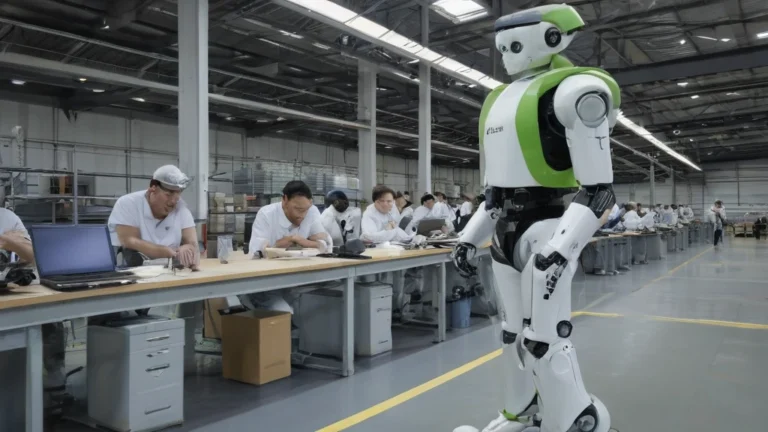
At IMTS 2026, FANUC America presented a new approach to automation that uses Physical AI - a technology that enables robots to perceive their environment, reason, and act in the real world. Instead of operating solely on pre-programmed instructions, the new systems can analyze data from cameras and sensors, interpret situations, and make decisions in real time. This is changing the industry from rigid sequences to dynamic collaboration between humans and machines.
As part of a demonstration with Google Cloud, it was shown how AI agents can interpret manual instructions - such as notes on a piece of paper - and guide a robot to find the appropriate parts. This approach eliminates the need for precise programming for each change in the process, which speeds up the adaptation of the production line to new orders.
FANUC emphasizes that Physical AI allows robots not only to perform pre-programmed tasks but also to understand changing production conditions and react to them intelligently. This translates into greater production flexibility, faster implementation of new processes, and less time required to start up a line.
From spoken command to code - generative AI in practice
One of the most innovative presentations was the demonstration of CRX Vibe Coding, which shows how generative AI and natural language commands can automatically generate Python code and robot programs. The user can say: "Place this item on the table," and the system will create the appropriate sequence of actions.
This technology is extremely important for companies that want to quickly implement new operations without having to hire robotics programming specialists. This not only speeds up implementation but also scales automation across a larger part of the factory floor.
FANUC emphasizes that such solutions are already available for testing and integration, which means that generative AI is not a distant concept but a real tool supporting production in real time.
Digital twins and simulation - the future of system design
 Enlarged imageClose zoomPrevious image
FANUC uses digital twins as a tool to verify processes before they are launched on an actual line. Technologies such as CNC Reflection Studio, Surface Estimation, and Smart Digital Twin Manager allow for simulating machining, checking surface quality, and optimizing the tool path without risking damage to the machine.
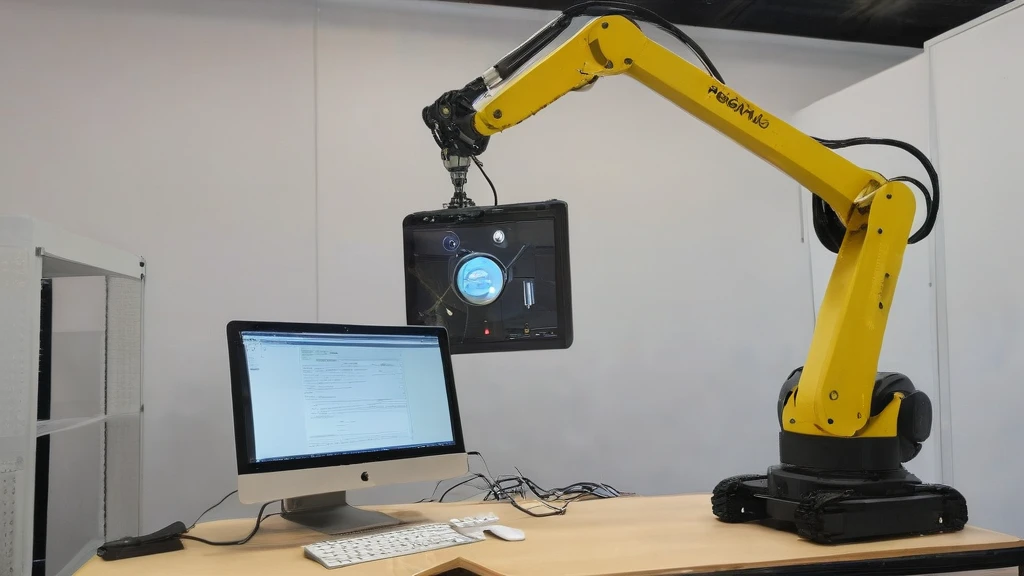
As part of the live digital twin demonstration, it was shown how changes made in the ROBOGUIDE program are immediately reflected on the physical robot. This allows for faster testing and elimination of errors already at the design stage, which reduces commissioning time and costs.
FANUC emphasizes that digital twins are key to effectively verifying processes before they are launched in a real production environment. This makes it possible to prevent failures and optimize parameters even before the first machine start-up.
New solutions for collaborative robots and machining
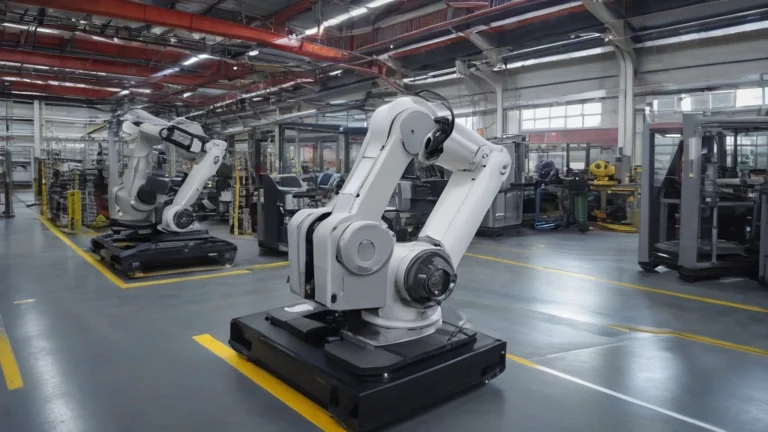
FANUC also presented the new CRX-3iA model - a lightweight, portable robot with a 3 kg payload that can be mounted on autonomous mobile robots (AMRs). The new R-50iA Compact DC controller allows for direct power supply from a 24-48 V battery, which eliminates the need for an inverter and simplifies integration.
During the demonstration, it was shown how a CRX-20iA/L robot with Inbolt Physical AI technology can tighten screws on moving parts, using data from force and vision sensors. This solution is key for high-precision production, where even a small deviation can cause a failure.
FANUC emphasizes that the new solutions are designed to increase the flexibility and speed of deploying automation systems in various production environments, both fixed and mobile.
What does this mean for the industry - and what remains unclear?
FANUC shows that Physical AI is no longer just a concept. In practice, tasks that previously required manual intervention or complex programming can now be performed. However, all presentations were demonstrations - there is no information about actual deployment in mass production.
The question also remains as to how widely available these solutions will be. Although FANUC collaborates with Google Cloud and NVIDIA, it is not yet known whether the technologies will be available to small and medium-sized enterprises or limited to large corporations.
FANUC emphasizes that Physical AI is the future of production, but its widespread implementation depends on the development of infrastructure, access to data, and companies' willingness to invest in new technologies.