
Transformation of robotics through artificial intelligence
A new report by the IFR emphasizes that AI is no longer just a supporting tool - it is transforming into a key enabler for robotics. According to the organization's president, Takayuki Ito, the transformation is happening at a rapid pace and is changing the way machines perceive and react to their environment. The integration of AI not only increases operational capabilities but also efficiency and adaptability of systems, which translates into real benefits for companies.
This is no longer just a theoretical concept - implementations are already in place. In sectors where there are controlled environments and high demand, AI is beginning to dominate. This primarily concerns logistics, manufacturing and services, where robots not only perform tasks but also learn them in real time.
The logistics and manufacturing sector as leaders in implementation
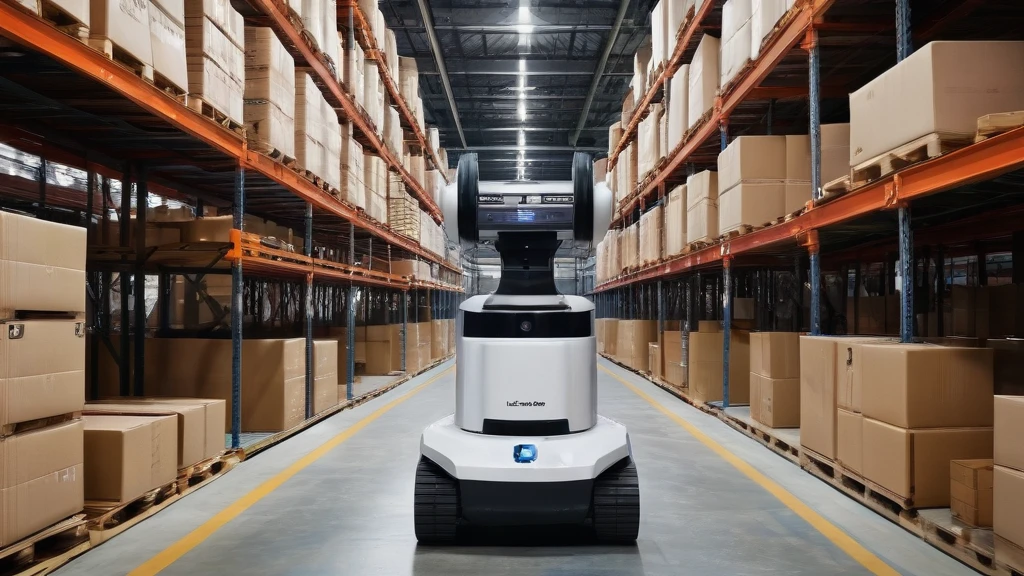
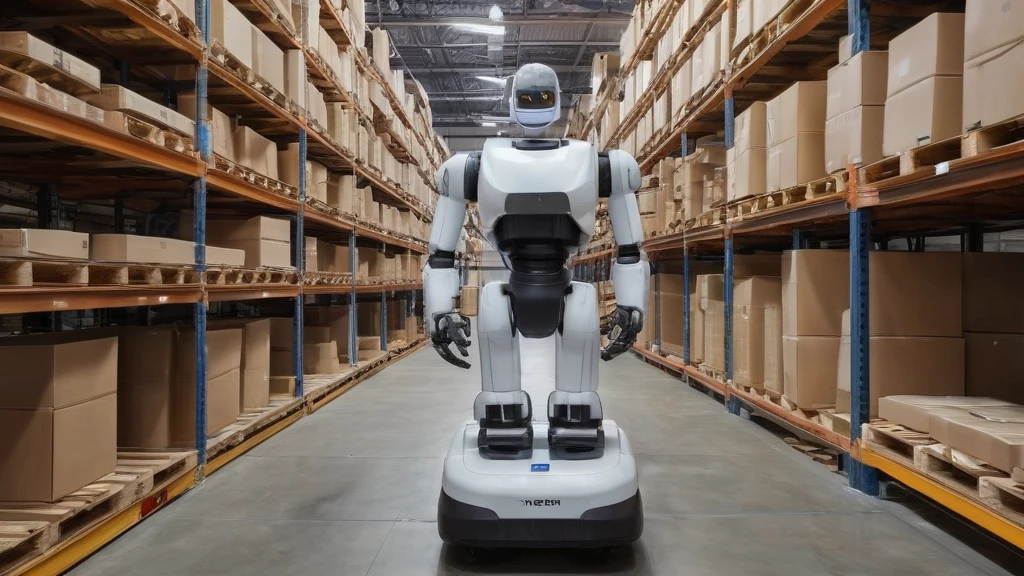
Currently, logistics and warehousing are the main areas of operation for robotics with AI. The reasons are simple: high demand, available investments and a relatively controlled working environment. In this sector, robots support internal processes - from moving goods to sorting and packaging.
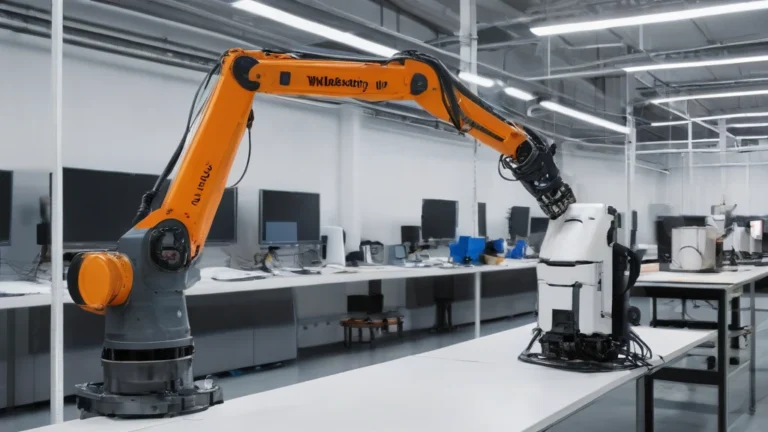
In manufacturing and industrial automation AI also plays a key role. Companies are looking for ways to optimize processes, improve product quality and increase the flexibility of production lines. AI-powered robots can adapt to changing conditions, which is especially important in industries such as automotive, electronics and pharmaceuticals.
New models of cooperation: human and robot
 Enlarged imageClose zoomPrevious image
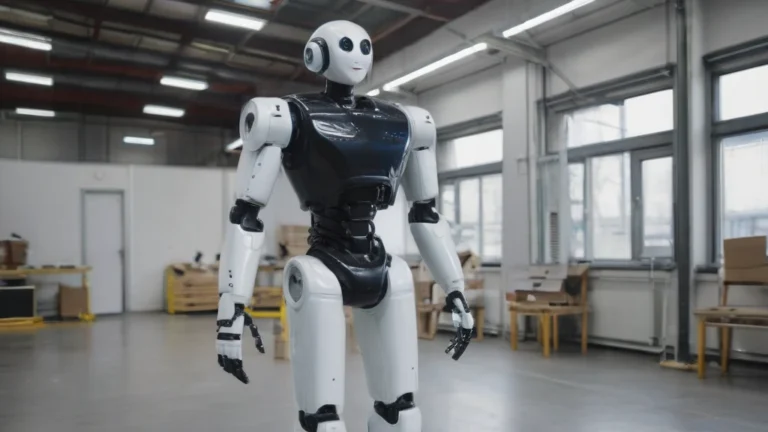
In the service sector, AI supports the interaction between humans and robots. This allows machines to communicate naturally, adapt to user needs and offer more personalized solutions. This is especially important in the context of a lack of employees - especially after the pandemic, when recruitment cannot keep up with demand.
Examples include restaurants experimenting with waiter or kitchen assistant robots. The future lies in hybrid models: robots perform repetitive, physically demanding tasks, while humans provide emotion, intuition and human contact.
Physical intelligence and future investments
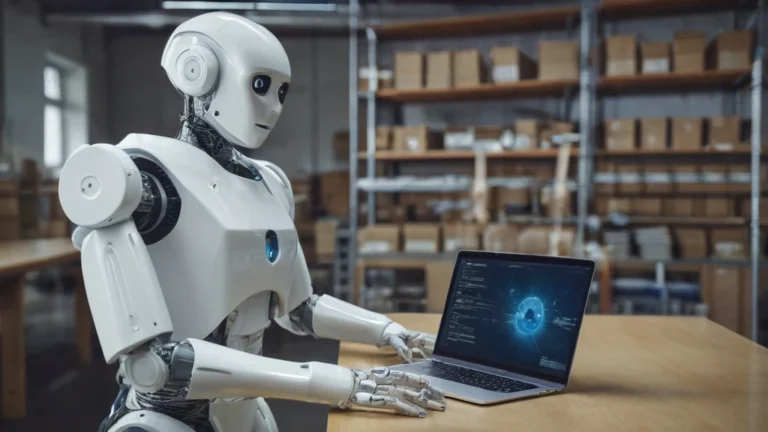
A new approach - so-called Physical AI - allows robots to train in virtual environments, learning through experience rather than just through programming. This opens the way for autonomous systems that can operate in complex and dynamic conditions.
In the USA, companies such as Amazon, Tesla and NVIDIA are investing record amounts. In Europe, ABB signed an agreement to sell its robotics division to SoftBank, joining forces in AI. China is also designating embodied AI as a key sector of the future - as part of the MIIT action plan.
The development of physical intelligence (Physical AI) is not limited to optimizing processes - it has deeper implications for the future of robotics. Thanks to the ability to learn in virtual environments, robots can accelerate the process of adapting to new conditions without the need for manual programming. This opens the way for autonomous systems that not only perform tasks but also make decisions in real time based on data analysis from sensors and operational history. In industry, where changes in the production line are frequent, such solutions can significantly shorten the time it takes to launch new processes.
In logistics, where working conditions are dynamic - e.g., changing the arrangement of goods or the appearance of obstacles - AI robots can react in a flexible and unpredictable way for traditional systems. Although the technology is still developing, its potential to change the structure of work is already visible: people will increasingly supervise, direct, and interpret the actions of robots rather than perform repetitive tasks. This transforms the role of the employee - from an executor to an operator of an intelligent system, which requires new skills but also opens up opportunities for more creative work.
The development of physical intelligence (Physical AI) also has significant implications for safety and ethics in robotics. As systems become more autonomous, there is a growing need for clear regulatory frameworks that ensure transparency of actions, accountability for decisions, and protection of user data. In this context, governments and international organizations are beginning to create standards for the ethical implementation of AI in robots - especially where interaction with people is key. Examples include initiatives by the European Union, which promote the principles of "trusted AI," as well as plans by MIIT in China, which combine technological development with responsible risk management. In the future, not only efficiency but also trust in robotic systems will be a key factor for success - and AI, as a driver of transformation, must operate in a way that is understandable, verifiable, and controlled by humans.