
Record number of robots - industry at a turning point
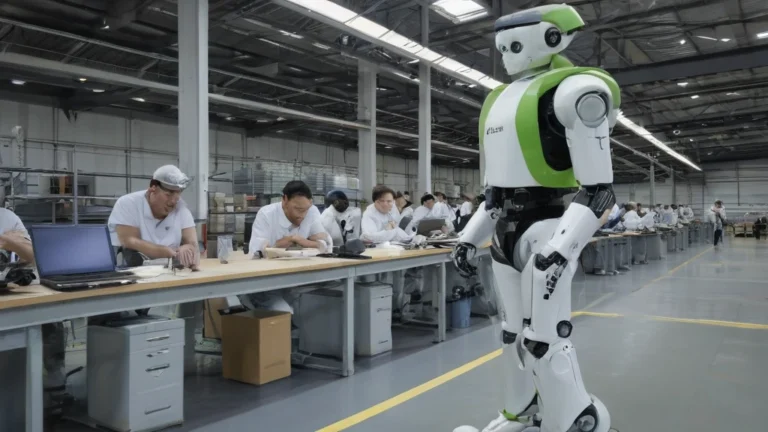
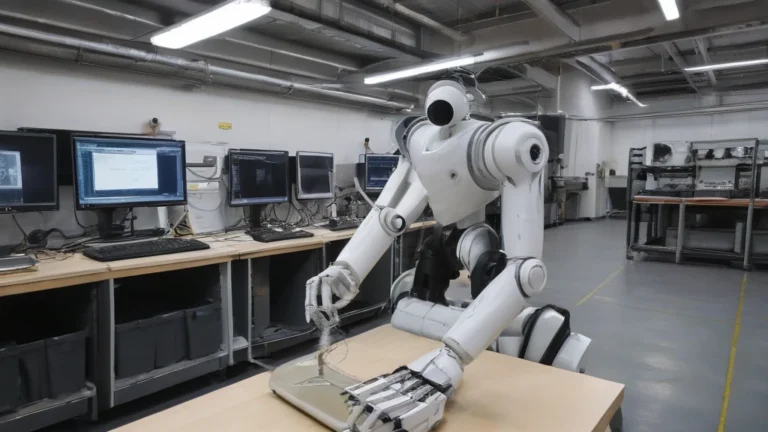
In 2021, the global stock of industrial robots reached a record number of approximately 3 million units. This represents an average annual growth rate of 13% between 2015 and 2020, which shows that automation is no longer just a matter for large factories, but a global industrial trend. This growth is not accidental - it is driven by both the need to increase efficiency and the pressure resulting from the pandemic, supply crises and labor shortages. The industry is not only growing in terms of the number of robots, but also changing structurally - new industries are beginning to invest in technologies that were previously limited to traditional manufacturing sectors.
It is worth emphasizing that this growth is not uniform. In the third quarter of 2021, robot orders in the USA increased by 35% compared to the same period of the previous year. Importantly, more than half of these orders came from non-automotive sectors - which suggests a change in approach to automation. It's not just about production, but also about logistics, customer service and innovation in services.
New industries, new needs - robots in logistics and agriculture
In 2022, there is a clear leap in the application of robots outside traditional production halls. Sectors that were previously not considered candidates for automation - such as logistics, construction or agriculture - are quickly preparing for it. The reason is both changing consumer behavior, which requires product personalization and faster delivery, as well as difficulties in recruiting employees in service sectors. In the case of restaurants or retail stores, labor shortages are already insurmountable without innovative solutions.
In logistics, robots assist not only in moving goods, but also in managing warehouses and planning routes. In agriculture - monitoring crops, collecting soil data or automatic irrigation. These new applications are possible thanks to the development of cheap, easy-to-install systems and the availability of ready-made software packages and applications. Many companies already offer ready-made solutions with built-in sensors, grippers and controllers - which significantly shortens the implementation time.
Robots for people - education and new professional roles
 Enlarged imageClose zoomPrevious image
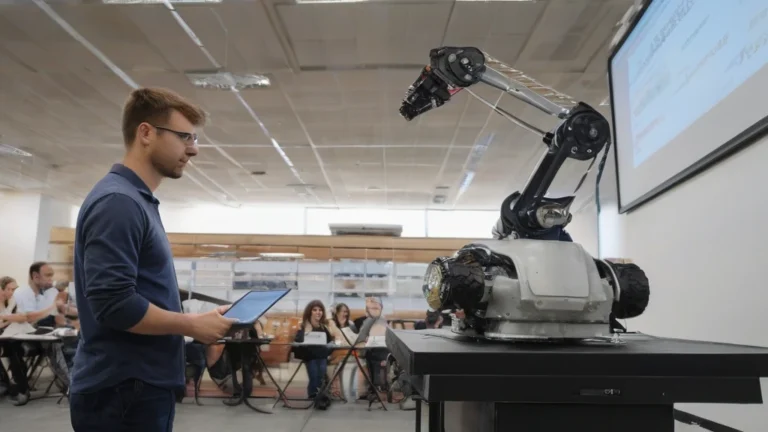
Automation does not only mean replacing humans with machines. In 2022, more and more companies, governments and organizations are realizing that the key to success is education. Robotics is becoming part of school programs, and companies such as ABB, FANUC and KUKA organize hundreds of thousands of participants in training courses around the world every year. This is not only about imparting skills - it is about changing the perception of work.
New professional roles are emerging where robots take over dirty, difficult or dangerous tasks. Employees learn to operate systems, analyze data or manage automated processes. This transforms the working environment - from a place where monotony dominates, to a place where professional development and new skills are possible. In the era of the "Great Resignation", such changes are not only beneficial for companies, but also attractive to employees.
Automation as a survival strategy - from supply chain to digital transformation
The pandemic and geopolitical tensions have revealed the weakness of global supply chains. In response, companies are beginning to consider "nearshoring" - relocating production closer to the consumer market. Automation is becoming a key tool here, as it allows for maintaining efficiency even with smaller production facilities. In the USA, where robot orders increased by 35% in 2021, over half came from non-automotive sectors - confirming a change in approach.
In this context, automation is no longer just about machines, but about digital transformation. Data from smart manufacturing is analyzed in real time, and robots with AI learn from the data. This allows for faster process adjustments, reduced errors, and improved product quality. In 2022, this trend is no longer experimental - the industry is already past the pilot phase.
AI Robots - From Pilot to Mass Deployment
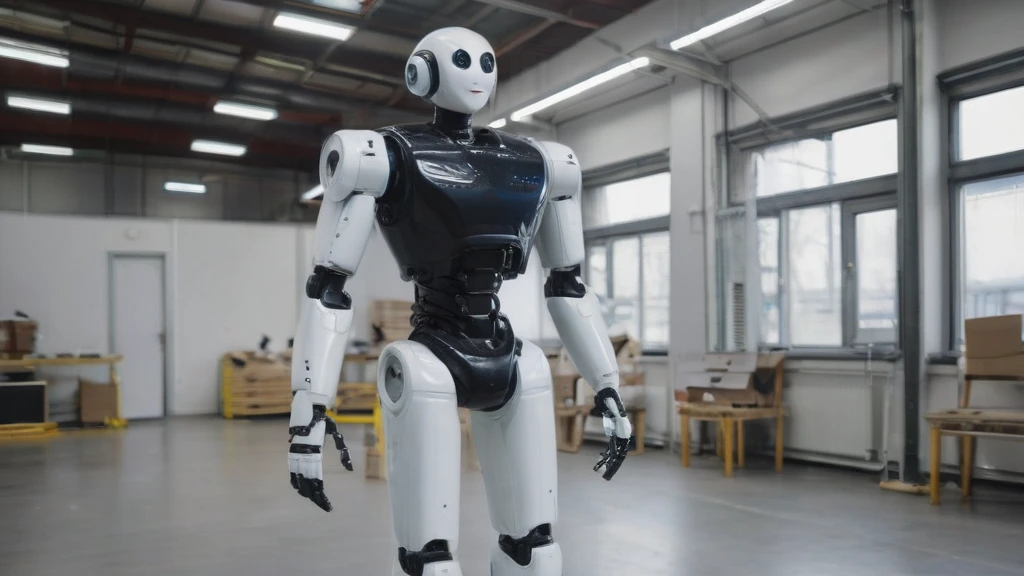
In 2022, robots equipped with artificial intelligence and capable of learning are no longer just a research topic. The average company no longer needs to invest in complex AI systems - ready-made applications, "app stores" for robots, and standard programs with built-in learning functions are available. This allows for rapid deployment even in small and medium-sized enterprises.
Although not all companies can yet boast of having complete AI systems, the trend is clear: robots with intelligent functions are already mainstream. In 2022, greater implementation of these technologies is expected - not only in industry but also in sectors such as healthcare or food production. This is not the future - it is already the present.