
A complete ecosystem of embodied AI in one place
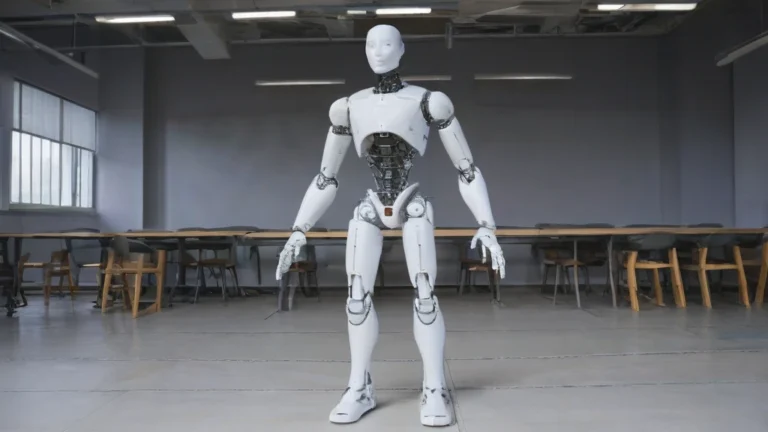
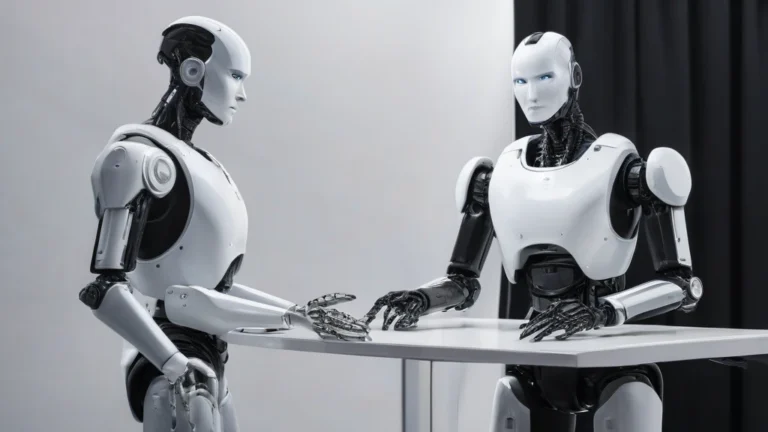
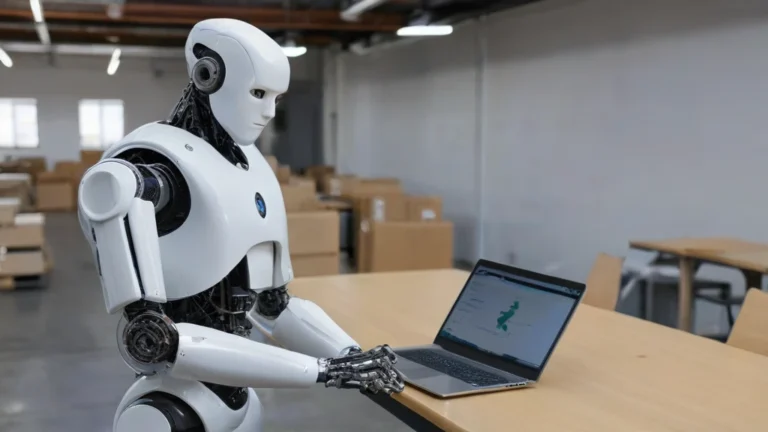
During the World Robot Conference 2026, X Square Robot from Shenzhen presented a complete range of embodied AI technologies, focusing on the integration of basic models, robot hardware, manipulation systems and data infrastructure. The exhibition took place at booth C107 in Beijing from August 19 to 23. The presentation was not limited to just one application - the company showed how its approach can be scaled between industry and home.
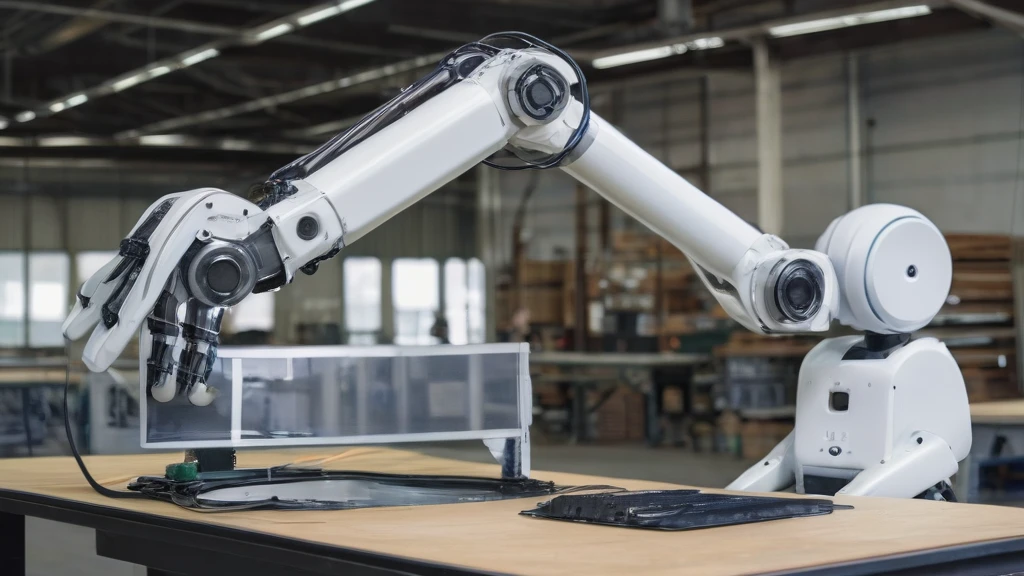
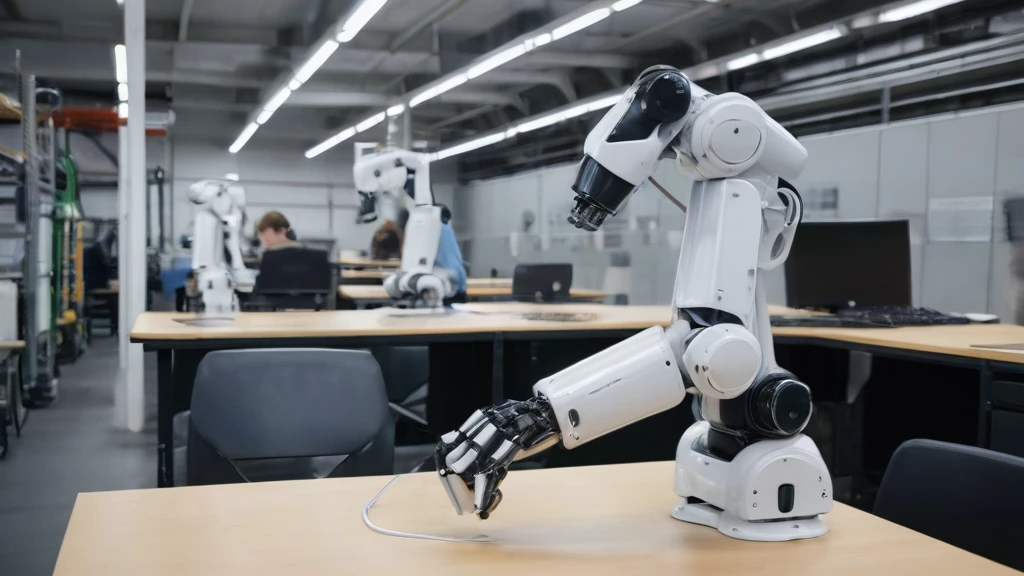
At the heart of the exhibition was the WALL-B model, which serves as a foundation for many applications. With self-developing arms with six degrees of freedom and an advanced perception system, this model allows for the implementation of complex tasks in physically changing conditions - from moving packages to arranging flowers. This is not just a technical demonstration, but a sample of the company's strategy: building intelligence that works in the real world, and not just in a controlled laboratory.
Logistics as a test of real-world operation
One of the most concrete examples was a logistics demonstration conducted before WRC 2026. During the livestream, the X Square Robot system processed 1816 packages in one hour, achieving over 98 percent accuracy. This was not just automation - it was about the ability to make decisions in real time. The packages came in different shapes, sizes and arrangements; some were crushed, others had reversed labels.
The system, which uses the WALL-B model, analyzed each package individually. The arms could move it, rotate it, spread it out, and place it in the correct direction on the conveyor belt. When one of the arms noticed that a package was heading to the wrong lane, it intervened automatically - demonstrating the ability to handle exceptions without requiring full reprogramming.
Dexterous manipulation in home environments.
 Enlarged imageClose zoomPrevious image
As part of WRC 2026, the company demonstrated how embodied AI can operate outside the factory. One of the most intriguing examples was a demonstration of arranging a bouquet. A robot with two arms received the following verbal instruction: 'Make a bouquet of red roses, add green leaves, and place it in a vase.'
The system had to recognize the color, find the appropriate flower, move it, arrange the vase, and add other elements - all under changing conditions. When the demonstrator moved the vase or changed the arrangement of the flowers, the robot did not stop but adjusted the sequence of actions. This demonstrates the difference between sequential programming and true embodied intelligence - the ability to adapt and understand context.
Data collection as a foundation for AI.
Underneath all applications lies the QUANXTA Zero system - a platform for collecting data for embodied AI. The set includes wearable hardware and manual grippers that allow recording human movements without physical connection to the robot.
The company claims that the system synchronizes data streams with an accuracy of 1 millisecond and can collect visual, tactile, and audio data together with millimeter-level positioning precision. Furthermore, X Square Robot claims that 1,000 samples collected without a robot and 100 from real robots can yield a comparable effect to 1,000 samples from real robots - suggesting a significant reduction in costs and time in the training process.
The future home as an environment for AI.
As part of the "X Family Member Program," the company showcased a realistic day-in-the-life scenario at home - from breakfast to dinner and leaving the apartment. Instead of presenting individual functions, the demonstration combined various scenarios: the robot helped prepare food, answered questions through an application, reminded about going out, and controlled household devices.
This is not just technology - it's a glimpse into the future where robots are not isolated but operate as part of an ecosystem. However, the challenge lies in the fact that homes are unstable environments: objects change, people move around, and situations are almost always unpredictable. Therefore, the ability to adapt and understand context becomes crucial - and that is precisely the goal of embodied AI.